
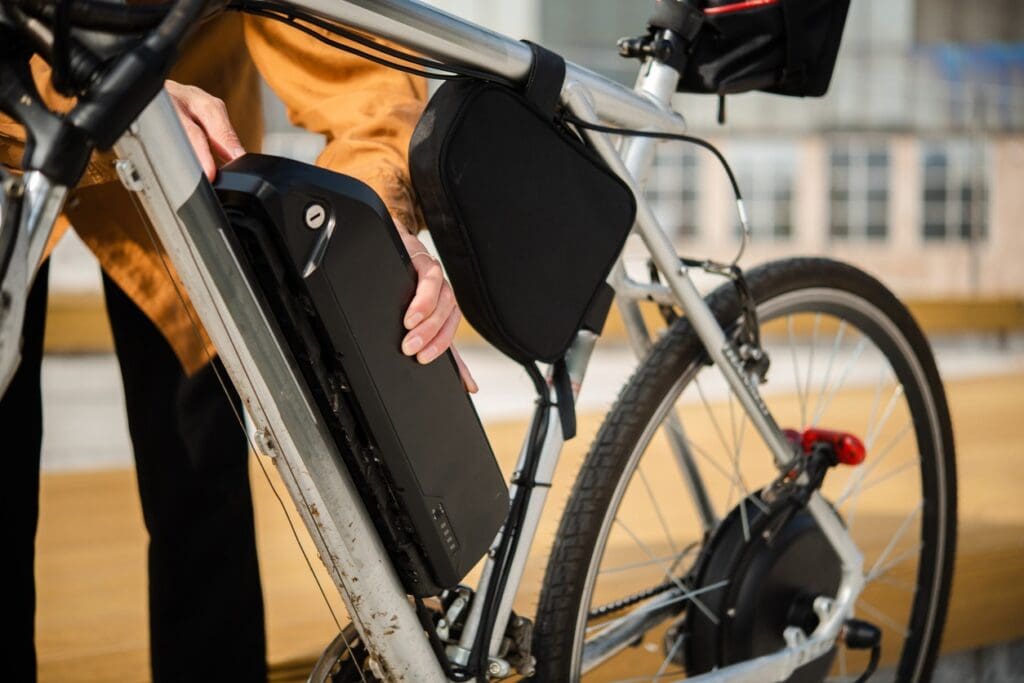
If you’ve invested in an e-bike, your battery is one of the most valuable components you own. The cost of replacing a bike’s battery can be significant, making proper care a smart financial decision. The electric bike’s battery is both costly and essential, so regular maintenance is crucial to prolong its lifespan and avoid unnecessary expenses. E-bikes also offer a cost-effective and environmentally friendly alternative to cars for daily transportation, making battery care even more important.
For example, storing your battery in a cool, dry place when not in use can help prevent damage and extend its life. That’s why we’ve put together this guide of e-bike battery life tips—simple steps to help riders protect, maintain, and maximize their bike battery for years of dependable use.
Introduction: Understanding E-Bike Battery Life
E-bike batteries are the heart of your electric bike, powering every ride and determining how far and fast you can go. These electric bike batteries, most commonly made with advanced lithium-ion technology, are designed for efficiency, reliability, and long-term use. But just like any high-tech component, they need a little care to deliver optimal performance and longevity.
Understanding the basics of e-bike batteries—how they work, how to charge them, and how to store them—can make a big difference in your riding experience. Proper maintenance not only keeps your battery safe but also helps you get the most out of every charge, ride after ride. Whether you’re new to e-bikes or a seasoned rider, following a few simple tips can help you avoid common pitfalls, extend your battery’s lifespan, and ensure your electric bike is always ready for your next adventure. In this guide, we’ll share essential advice for maintaining your e-bike battery, so you can enjoy smooth, worry-free rides for years to come.
1. Charge Smart, Not Just Often
When it comes to e-bike batteries, smart charging is key. Avoid letting your battery drain completely before you plug it in, and don’t leave it sitting at a full charge for extended periods. Keeping your charge level between 20% and 80% is often the best bet for longevity. Proper re-charge habits, such as re-charging the battery to an optimal level before storage or after long periods of non-use, are essential for maintaining battery health and prolonging its lifespan.
2. Use the Correct Charger
Every electric bike battery is designed with a system that works best with its own manufacturer-approved charger. After purchasing your e-bike or battery, always verify with the brand from which you purchased it that the charger is certified and compatible. Using the correct charger prevents damage and reduces risks. Other chargers—even from other manufacturers—might shorten battery life or even cause a fire hazard.
3. Store in a Cool, Dry Place
How your e-bike battery is stored plays a crucial role in its longevity and safety. Lithium-ion batteries don’t handle extremes well. For e-bike battery maintenance, store your bike battery inside during the winter months or hot summers, and make sure it is stored in a place where the temperature remains within a safe range—ideally between 10°C and 25°C. Keep it in a dry place away from direct sunlight to protect against unnecessary heat or cold damage.
4. Avoid Overcharging
Modern lithium-ion packs include safety features, but leaving a battery plugged in for weeks is still not a good idea. Overcharge protection helps, but unplug once you’re fully charged to reduce wear on the cells and avoid wasted energy.
5. Store at Partial Charge for Breaks
If you won’t ride for weeks at a time, follow proper e-bike battery storage tips, especially for li ion batteries. Keep the bike battery at about 40–60% capacity. That’s enough to prevent self-discharge while protecting the cells from stress.
6. Clean Carefully After Wet Rides
If you get caught in heavy rain, don’t panic. Simply remove your bike battery and wipe it down with a damp cloth. Never spray water directly onto electric bike batteries, as moisture can affect the components inside.
7. Protect Against Extreme Temperatures
Both cold and heat can reduce performance and shorten battery life. Storing your bike battery at room temperature is just fine, and riding in cold weather is fine as long as you take proper precautions. Try not to leave your bike battery in a freezing garage during the winter or in a hot car during the summer. These small precautions will help your e-bike deliver optimal performance for the long haul.
8. Avoid Full Drain and Frequent Top-Ups
A charge cycle is counted every time you run from near empty to a full capacity recharge. How often your e-bike is ridden directly affects how frequently you need to charge, which in turn impacts battery longevity. Frequent deep drains shorten life, but so does constantly topping off after every short ride. Balance your charging habits for maximum longevity.
9. Ride and Maintain Your Whole Bike
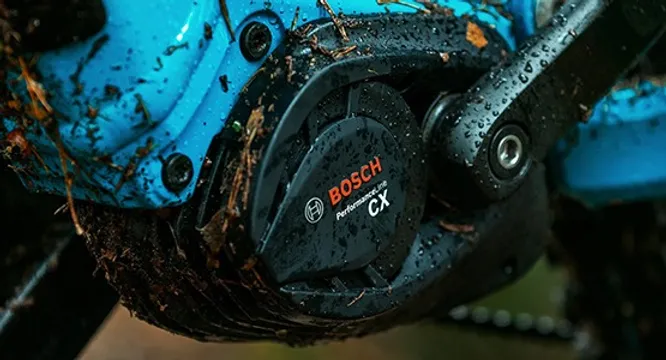
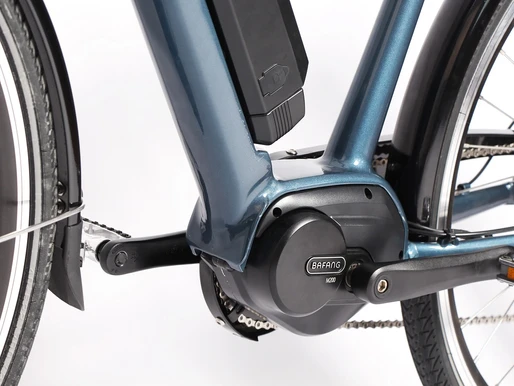
Your battery works hardest when your bike is neglected. Different types of motors, such as mid-drive and hub-drive, require specific maintenance, and keeping them in good condition can significantly affect battery life. Low tire pressure, worn bearings, or a dry chain force the motor to use more power, which drains your pack faster. Optimizing your pedal technique and using proper gear shifting can also reduce strain on the battery and improve overall efficiency. Regular maintenance of your bike components goes a long way toward preserving e-bike batteries.
10. Service with Professionals
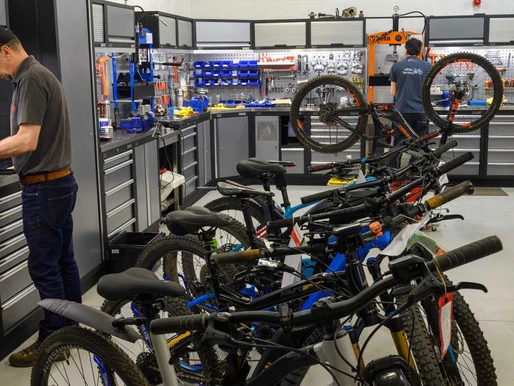
If you’re unsure how to care for your electric bike batteries, ask the experts. At Crazy Lenny’s E-Bikes in Madison, we’ve been in the e-bike world for over ten years, helping every rider get the most out of their investment. Our professionals can also update or diagnose your e-bike’s software to help extend battery life and improve performance. We provide advice on charging tips for e-bike batteries, safe storage, and when it’s time to replace or upgrade.
Looking After Your E-Bike in Winter
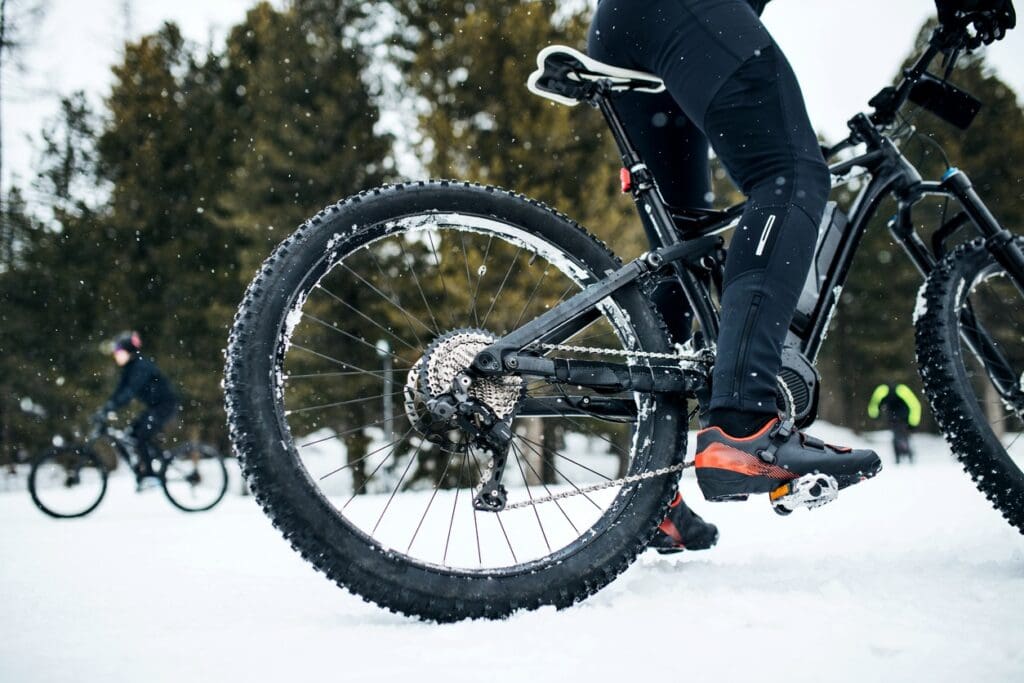
Winter brings unique challenges for e-bike owners, especially when it comes to caring for lithium-ion batteries. Cold temperatures can reduce your battery’s performance and even shorten its lifespan if not managed properly. To keep your e-bike in top shape during the winter months, always store your battery in a cool, dry place—never in a freezing garage or outside where it’s exposed to heavy rain or direct sunlight. If you won’t be riding for a while, charge your battery to about 50% capacity before storing it. This helps prevent self-discharge and keeps the cells healthy until you’re ready to ride again.
When spring arrives and you’re eager for your first ride, simply recharge your battery to full capacity, and you’ll be set to go. By taking these simple steps, you’ll protect your e-bike battery from the harsh effects of winter and ensure it delivers reliable performance all year round.
Maintenance Tips for Battery Terminals and Connections
Keeping your e-bike battery’s terminals and connections clean is a simple but important part of regular maintenance. After rides—especially in wet or muddy conditions—use a damp cloth to gently wipe away any dirt or moisture from the battery terminals and connectors. Avoid using excessive water or exposing these areas to heavy rain, as moisture can lead to corrosion or even electrical issues.
It’s also wise to inspect the terminals and connections regularly for any signs of wear, corrosion, or loose fittings. If you notice any damage, replace the affected parts promptly to maintain optimal performance and safety. Always use the correct charger recommended by your e-bike’s manufacturer, as using an incompatible charger can damage your battery or, in rare cases, even cause a fire. With these simple maintenance tips, you’ll help ensure your bike battery stays in great condition and powers your rides safely.
Regular Testing and Monitoring of Battery Health
To get the most out of your e-bike battery, it’s important to keep an eye on its health and performance. Make it a habit to check your battery’s charge level before and after rides, and avoid letting it drain completely, as deep discharges can reduce its lifespan. Many modern e-bikes come equipped with a battery management system that helps monitor the battery’s condition and alerts you to any issues—use this feature to your advantage.
Store your battery in a cool, dry place, away from direct sunlight and sources of heat, to prevent overheating and potential damage. If you notice any sudden drops in performance or reduced range, it may be time to have your battery professionally tested. Regular monitoring helps you catch small problems before they become big ones, ensuring your e-bike battery continues to deliver reliable power for every ride.
Dealing with Damaged or Old Batteries
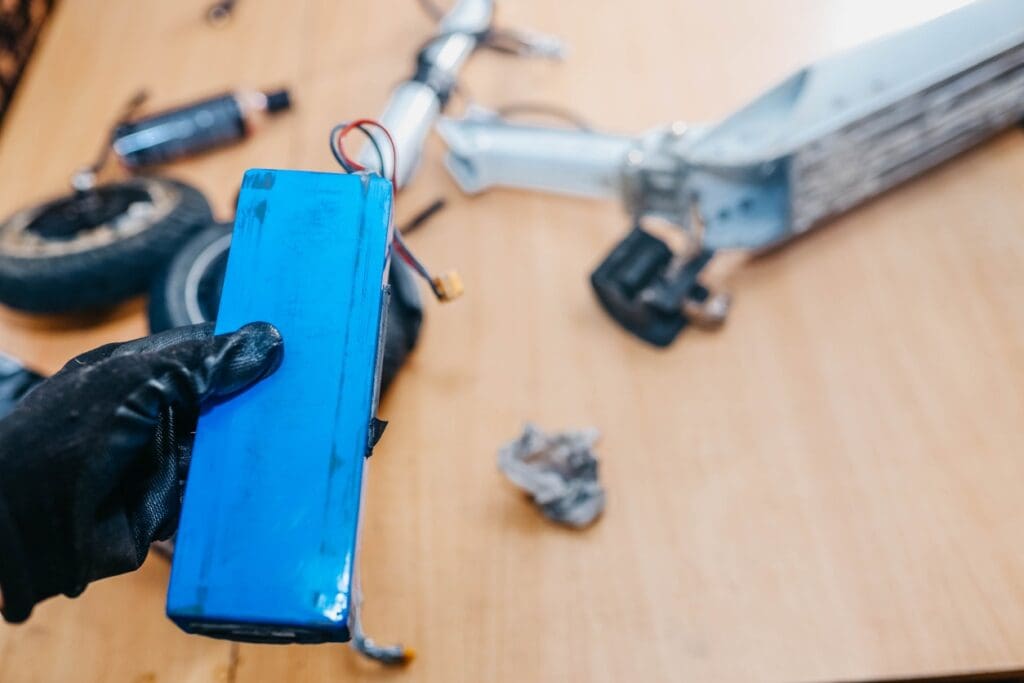
If your e-bike battery is showing signs of damage, won’t hold a charge, or has reached the end of its useful life, it’s important to handle it safely. Never attempt to repair or refurbish a damaged lithium-ion battery yourself, as this can be dangerous and may lead to fire or injury. Instead, contact your e-bike’s manufacturer or a certified recycling center to arrange for proper disposal.
Many manufacturers and organizations offer recycling programs specifically for lithium-ion batteries, ensuring they are handled in an environmentally responsible way. When it’s time to purchase a replacement, choose a reputable manufacturer that uses high-quality components and follows strict safety standards. By disposing of old batteries correctly and investing in quality replacements, you’ll protect both your safety and the environment—while keeping your e-bike running at its best.
Final Thoughts: Protecting Your Investment
Following these e-bike battery life tips is the easiest way to get more miles, fewer headaches, and longer-lasting rides. Whether it’s learning how to recharge properly, keeping your battery inside during the winter, or avoiding common mistakes like leaving your pack in the sun, small steps make a huge difference in the long run.
Looking for trusted e-bike batteries or need professional maintenance? Visit Crazy Lenny’s E-Bikes in Madison—we’ll help you protect your battery, improve your range, and keep your ride powered for many adventures ahead.
FAQs
1. How long does an e-bike battery life usually last?
With proper care, most lithium-ion e-bike batteries last between 3 and 7 years or around 500–1,000 full charge cycles. Longevity depends on riding habits, storage conditions, and maintenance.
2. Should I fully charge my e-bike battery every time?
Not always. It’s best to keep the battery between 20% and 80% for everyday use. Fully charging before long rides is fine, but avoid leaving it at 100% for days at a time.
3. Can cold weather damage my battery?
Yes, extreme cold can reduce performance and shorten lifespan. Always store your battery indoors during freezing conditions and avoid leaving it outside overnight.
4. What’s the best way to store my e-bike battery if I’m not riding?
For breaks longer than a couple of weeks, store your battery at about 40–60% charge in a cool, dry place away from direct sunlight. This prevents stress on the cells and helps maintain battery health.
5. How do I know when it’s time to replace my e-bike battery?
If you notice a significantly reduced range, frequent charging needs, or the battery no longer holds a charge, it’s likely near the end of its life. At that point, replace it with a manufacturer-approved battery and recycle the old one properly.