

Proper winter e-bike storage is essential for protecting your electric bike, especially during extended cold weather and freezing temperatures. Whether you plan to stop riding entirely or still enjoy occasional winter riding, how you store your e-bike during the winter months has a direct impact on battery performance, safety, and long-term reliability.
Storing and using your bike in the winter presents unique challenges, as low temperatures can negatively affect e-bike battery chemistry, motor function, and overall performance. Proper maintenance and storage are crucial to prevent cold weather from causing long-term damage to your electric bike.
This guide walks through everything e-bike enthusiasts need to know about winter storage, battery care, and electric bike storage best practices.
Why Winter E-Bike Storage Is So Important

Cold weather affects every part of an electric bike — from the bike frame to the battery and electrical components. Cold temperatures, extreme cold, and temperature fluctuations can:
- Reduce battery performance
- Cause voltage drops
- Increase internal resistance
- Shortens the battery’s life by causing irreversible damage if not stored properly; maintaining proper storage conditions, such as keeping the battery at room temperature and partially charged, helps extend the battery’s life
- Lead to corrosion and rust
Without proper winter e-bike storage, even a high-quality electric bike can suffer long-term damage.
Step 1: Clean and Dry the Bike Completely
Before placing your bike into winter storage, it must be completely dry.
Cleaning your e-bike after every ride in winter is crucial to prevent rust and corrosion from salt and moisture.
- Rinse off any mud, salt, or debris from the frame, wheels, and drivetrain. Regular cleaning helps prevent rust, especially after exposure to salt and moisture.
- Use a soft brush and mild soap to clean hard-to-reach areas.
- Dry the bike thoroughly with a clean towel, paying special attention to bolts, chain, and electrical contacts.
Store your e-bike only after it is fully dry—cleaning before storage is essential to prevent rust and corrosion.
What to Clean
- Frame, drivetrain, and wheels
- Brake pads and hydraulic brakes
- Electrical components and connectors
Use a dry cloth to remove any lingering moisture and avoid spraying water directly onto electronics. This step helps prevent corrosion, especially if the bike was exposed to white snow, winter weather, or road salt.
Step 2: Remove the Battery for Winter Storage
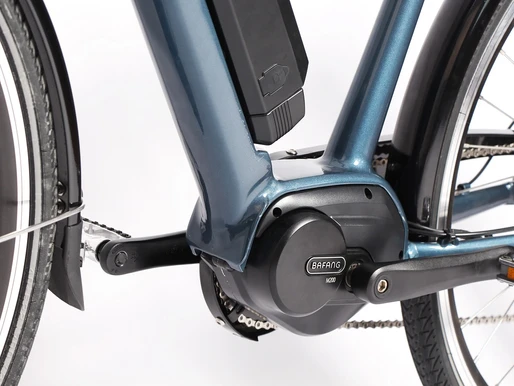
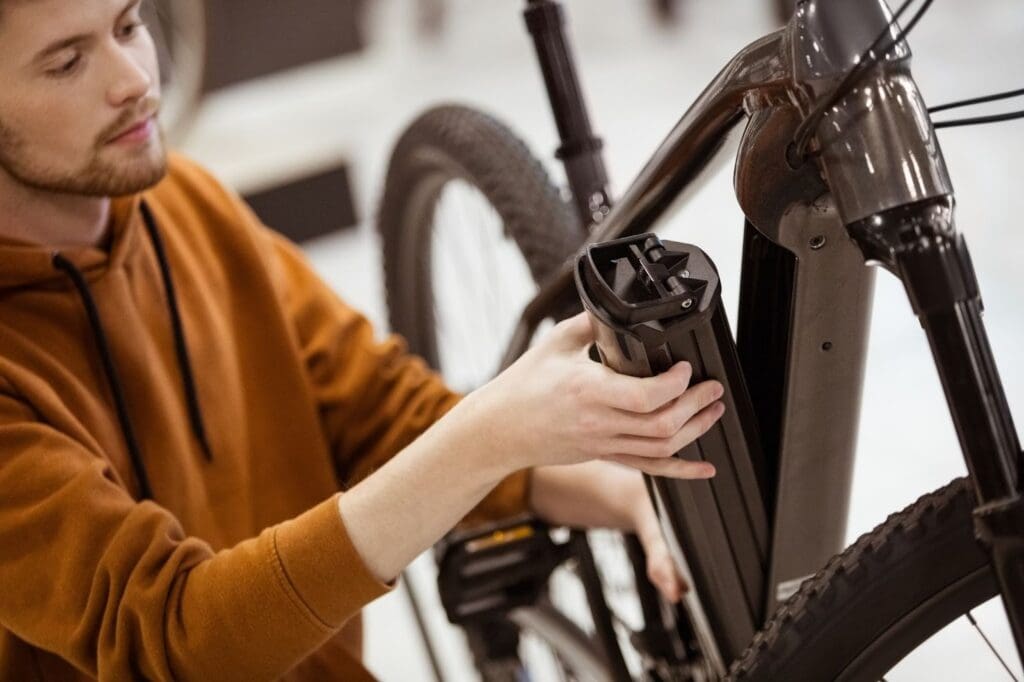
One of the most critical steps in winter e-bike storage is to remove the battery.
Why Battery Removal Matters
E-bike batteries and lithium-ion batteries are extremely sensitive to freezing temperatures and cold garages. Leaving a battery installed during freezing weather can permanently damage the cells.
Best Practices
- Remove the battery from the bike
- Store the battery inside at room temperature
- Keep it in a dry, climate-controlled space
- Avoid storing in a cold garage
Storing the battery inside protects it from extreme temperatures and helps preserve its longevity.
Step 3: Ideal Conditions for E-Bike Battery Storage
Room Temperature Is Key
Lithium-ion and lithium batteries perform best when stored at a consistent temperature. Large swings between warm and cold can accelerate self-discharge and internal damage.
Battery Charge Level
- Store at 50–70% charge
- Avoid charging cold batteries
- Never attempt cold charging
Charging cold batteries increases the risk of lithium plating, which permanently reduces capacity and battery performance.
Step 4: Understanding Cold Batteries and Charging Risks
Cold batteries behave differently from warm batteries.
- Cold charging can cause internal cell damage
- Charging cold batteries increases internal resistance
- A warm battery charges safely; cold batteries do not
If you’ve taken your e-bike out for a cold ride, always let the battery warm naturally indoors for 2-3 hours before charging.
Never charge an e-bike battery below 32°F (0°C), as this can cause permanent damage and increase the risk of lithium plating.
Always allow the battery to reach room temperature before charging. This protects both battery health and safety.
Step 5: Indoor vs Outdoor Electric Bike Storage
Indoor Electric Bike Storage (Recommended)
Indoor electric bike storage offers the best protection during the winter months.
Ideal locations include:
- Finished basements
- Spare rooms
- Climate-controlled garages
Indoor storage minimizes exposure to freezing temperatures and moisture.
Outdoor Storage (Last Resort)
If you must store the bike outdoors:
- Use a high-quality bike cover
- Add a battery cover for extra insulation
- Elevate the bike off the frozen ground
Outdoor storage requires added protection to reduce damage from winter weather.
Step 6: Tire Pressure and Suspension Checks
Cold conditions cause tire pressure to drop.
What to Do
- Inflate tires to the recommended PSI
- Check tire pressure monthly
- Use a bike stand to prevent flat spots during long-term storage
Suspension components also benefit from light lubrication before winter storage.
Step 7: Protect Lights and Electrical Components
Front and rear lights, wiring, and battery connections should be inspected before storage.
- Remove detachable displays
- Cover exposed ports
- Ensure connectors are dry
Moisture in electrical components during freezing temperatures can lead to intermittent power issues later.
Step 8: Bike Covers and Added Protection
Using a bike cover adds protection even indoors.
Benefits of a Bike Cover
- Shields from dust and moisture
- Reduces temperature fluctuations
- Adds protection during extended storage
Breathable covers are best to avoid trapped moisture.
Step 9: Special Considerations for Winter Riding
Some riders continue winter riding on milder winter days.
- Use fenders to protect yourself, your clothes, your bike, and your battery from dirt and debris kicked up by your tires during winter riding.
- Install a battery cover to help retain heat during rides, which can extend your range by 10-15% in very cold conditions.
- Wear a rain jacket as part of your layering system to stay dry and visible in wet winter weather.
- Dress in warmer layers to compensate for reduced body heat, as e-biking generates less body heat than traditional cycling.
- For a comfortable ride in winter, use features like fenders, water resistance, good tire traction, and upgraded lighting.
- Visibility is crucial in winter due to shorter days and poor weather—use bright lights and reflective gear.
- Always wear a helmet and protective gear when riding in winter conditions.
- E-bikes can be safely ridden in winter conditions down to about 14°F (-10°C); avoid riding below this temperature.
- Riding in winter can reduce e-bike battery range by 30-50%.
If You Ride in Winter:
- Wear reflective clothing and proper clothing
- Consider studded tires for black ice
- Use front and rear lights
- Avoid long rides in extreme cold
A short test ride after storage helps confirm the bike works properly.
Step 10: Mid-Winter Checks During Extended Storage
For extended periods of bike storage:
- Check battery charge monthly
- Inspect tire pressure
- Look for moisture buildup
- Ensure the bike remains completely dry
These checks help maintain optimal performance and prevent unexpected issues.
Bike Storage and Security
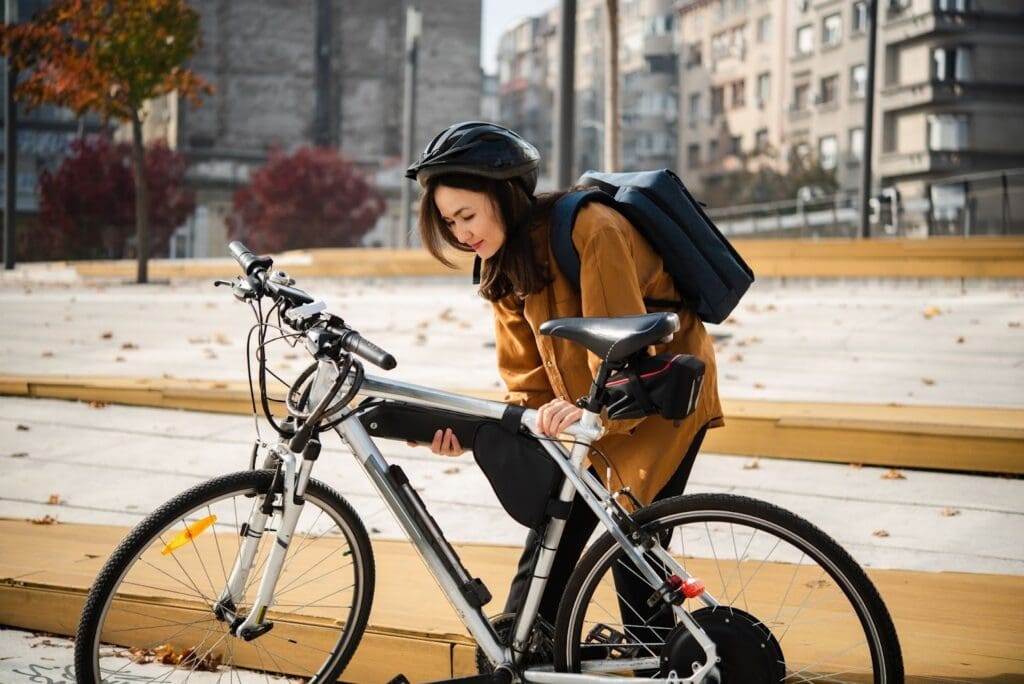
When it comes to storing your electric bike during the winter months, security is just as important as protection from cold weather. Whether your e-bike is stored indoors or outdoors, taking extra steps to prevent theft and damage ensures your investment stays safe all season long.
Preparing Your E-Bike for Spring
When winter ends:
- Reinstall the battery
- Check brakes and brake pads
- Inspect the bike frame
- Take a test ride
Scheduling a professional tune-up after long-term storage is a smart move, especially for riders who experienced freezing weather or winter riding.
Common Winter E-Bike Storage Mistakes
Avoid these mistakes:
- Leaving the battery on the bike in freezing temps
- Storing batteries in a cold garage
- Charging cold batteries
- Skipping tire pressure checks
- Ignoring moisture buildup
Each of these can reduce battery longevity and overall bike reliability.
Final Thoughts on Winter E-Bike Storage
Proper winter e-bike storage protects your electric bike, your battery, and your riding experience. By removing the battery, storing it at room temperature, protecting against cold weather, and performing regular checks, you ensure your e-bike is ready when the winter months are over.
Whether you store your bike for an extended period or ride occasionally during winter days, following these steps helps preserve performance, safety, and long-term value.
Frequently Asked Questions About Winter E-Bike Storage
Why is winter e-bike storage so important?
Cold temperatures can reduce battery performance, increase internal resistance, and cause long-term damage if an e-bike isn’t stored properly. Proper winter storage protects the battery, electrical components, and frame, helping extend the life of your electric bike.
Should I remove my e-bike battery for winter storage?
Yes. Removing the battery is one of the most important steps in winter e-bike storage. Batteries should be stored indoors at room temperature in a dry, climate-controlled space to prevent damage from freezing temperatures.
What is the ideal charge level for storing an e-bike battery?
E-bike batteries should be stored at 50–70% charge during the winter. Storing a battery fully charged or completely empty can shorten its lifespan. Check the charge level monthly and top it off if needed.
Can I charge my e-bike battery when it’s cold?
No. Never charge a cold e-bike battery. Charging below 32°F (0°C) can cause permanent internal damage. Always allow the battery to warm to room temperature for several hours before charging.
Is it okay to store my e-bike in a garage during winter?
Only if the garage is climate-controlled, cold garages that drop below freezing can damage batteries and increase corrosion risk. Indoor storage locations, such as basements or spare rooms, are ideal.