
If you’ve ever browsed e-bike listings and felt overwhelmed by terms like “750W rear hub” or “mid-drive torque sensor,” you’re not alone. Motor specs are the single biggest source of confusion for new buyers, and they’re also the single biggest factor in how your ride actually feels. This electric bike motor guide breaks down every motor type, wattage band, sensor system, and legal class in plain language so you can walk into a shop (or open the eBike Finder) knowing exactly what you need.
Key Takeaways
- Electric bike motors are categorized into hub motors and mid-drive motors. Most shopping decisions come down to choosing between a rear hub motor and a mid-drive, and Crazy Lenny’s eBikes sells and services both across commuter, mountain, cargo, fat-tire, and trike models.
- Wattage (W) is only part of the story. Torque (Nm), sensor type (torque vs cadence), and how the motor works with the bike’s gears matter far more in real-world riding than a single power number on a spec sheet.
- Beginners, casual riders, and flat-terrain commuters often do best with a rear hub motor. Riders facing hills, off-road trails, or heavy cargo usually benefit from a mid-drive motor.
- Mid-drive motors provide 30–50% more range than hub motors on hilly terrain because they leverage the bike’s gears to keep the motor spinning efficiently.
- U.S. Class 1/2/3 rules and Wisconsin trail regulations limit how fast the motor can assist and where certain e-bike classes may ride, so match your motor choice to local rules as well as performance needs.
- Once you understand motor types, you can use Crazy Lenny’s eBike Finder tool to choose a bike matched to your terrain, fitness, and budget.

1. What an Electric Bike Motor Actually Does
An e-bike motor converts battery power into mechanical energy that assists your pedaling. Think of it as a tireless co-pilot: you still push the pedals, but the motor adds force so hills flatten out, headwinds disappear, and longer rides feel manageable. Electric bike motors can have integrated throttle or pedal-assist systems – pedal assist (PAS) adds power only when you pedal, while a throttle lets the motor push the bike forward without pedaling at all.
Here are the key terms you’ll see throughout this electric bike motor guide, defined simply:
- Ebike motor/bike motor – the electric motor that provides motor assistance.
- Hub motor – a motor built into the wheel hub (front or rear).
- Mid-drive motor – a motor mounted at the cranks (the pedal area).
- Pedal-assist system (PAS) – electronics that detect your pedaling and tell the motor how much power to add.
- Throttle – a twist-grip or thumb lever that activates the motor without pedaling.
The motor does not replace pedaling on most legal electric bike motors in the U.S. Instead, it adds a selectable level of assist – usually labeled 1 through 5 – so you control how much help you get.
What does riding actually feel like?
- No motor: all effort is yours. Hills are hard, headwinds are exhausting.
- Hub motor: a steady push from the rear wheel. Starting from a stoplight feels like a gentle shove; hills get easier, but the motor can’t shift gears to help itself.
- Mid-drive motor: power flows through the bike’s drivetrain. Starting feels smooth and proportional; climbing a hill feels like you suddenly have super-strong legs because the motor uses lower gears just like you would.
2. How an E‑Bike Motor Works in Simple Terms
Inside every modern ebike motor is a stator (a ring of stationary copper coils) and a rotor (a set of permanent magnets). When the controller sends electrical energy from the battery through the coils, it creates a rotating magnetic field that spins the rotor. That spinning converts electrical energy into torque – the twisting force that moves the wheel or crank.
Today’s electric bike motor systems use brushless DC motors almost exclusively. Older brushed designs wore out faster, ran louder, and performed poorly at lower speeds. Brushless motors offer quiet operation, longer life, and smoother power output.
Here’s the simplified chain of events every time you pedal:
- You pedal → a speed sensor or torque sensor detects your input.
- Controller decides → based on your selected assist level, it pulls battery power and sends precise electrical pulses to the motor.
- Motor spins → the rotor turns, delivering mechanical energy to either the wheel (hub motor) or the crankset (mid-drive).
- Assist cuts off → once you reach the top assist speed for your bike’s class (20 or 28 mph), the motor stops adding power automatically.
3. Main Motor Types on Modern E‑Bikes
Today’s electric bike motors fall into two everyday categories – hub motors and mid-drive motors – with a few niche systems like all-in-one wheels and friction drives that most buyers will never encounter.
- Hub motor – sits inside the wheel hub and drives that wheel directly. Can be a rear hub or front hub.
- Mid-drive motor – sits at the bike’s bottom bracket and powers the crankset, sending force through the bike’s chain and cassette.
- Front hub motor – a hub motor in the front wheel, seen on some conversion kit builds and budget bikes. Rarely used today due to performance limitations.
- All-in-one wheel – a self-contained motor-battery-controller unit inside a single wheel. Convenient for conversions but limited in power and range.
About 95% of shopping decisions at Crazy Lenny’s eBikes come down to choosing between a rear hub ebike motor and a mid-drive motor. Staff is available to walk you through test rides of both so you can feel the difference before you buy.
4. Hub Motors Explained (Rear Hub vs Front Hub)
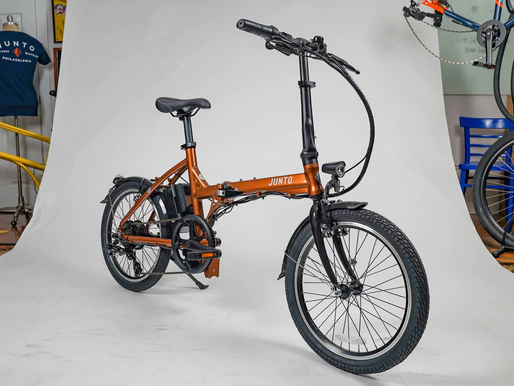
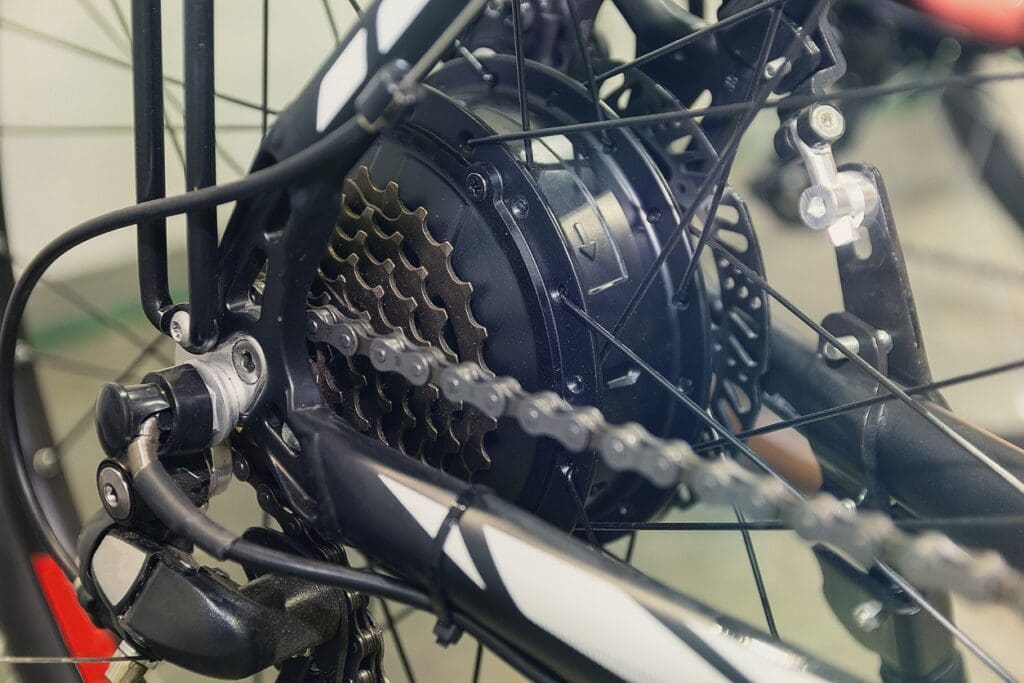
Hub motors are integrated directly into the wheel hub of a bicycle. The motor inside spins the wheel without involving the bike’s chain or gears, which makes hub drive motors mechanically simple and easy to maintain.
Rear hub motors are the most common motor type worldwide. They push the bicycle from behind, providing better traction than front-mounted alternatives and a natural “tailwind” sensation. Hub motors are typically more affordable than mid-drive motors, making them a go-to choice for commuters, students, and budget-conscious riders. A typical rear hub motor produces around 40–70 Nm of torque – plenty for flat terrain and gentle rolling hills.
Front hub motors pull the bicycle forward and operate well on flat terrain, but they’re far less common on modern turn-key e-bikes. The front wheel can experience wheel slip on wet or loose surfaces because it carries less of the rider’s weight. Most riders at Crazy Lenny’s will not encounter front hub motors unless they’re exploring a conversion kit project.
Geared vs direct-drive hub motors: Geared hub motors use internal gear reduction to deliver better low-speed torque in a lighter, more compact package. Direct drive motors skip the gearbox, resulting in a heavier wheel hub that can offer regenerative braking and quiet cruising at speed, but loses efficiency at low RPM on climbs. Many hub motors on commuter and fat-tire bikes today are geared designs.
Hub motors operate independently of the bicycle’s chain and gears, which means low drivetrain wear and less time in the shop – but it also means the motor can’t downshift when the going gets steep.
5. Mid‑Drive Motors: Using the Bike’s Gears for Power
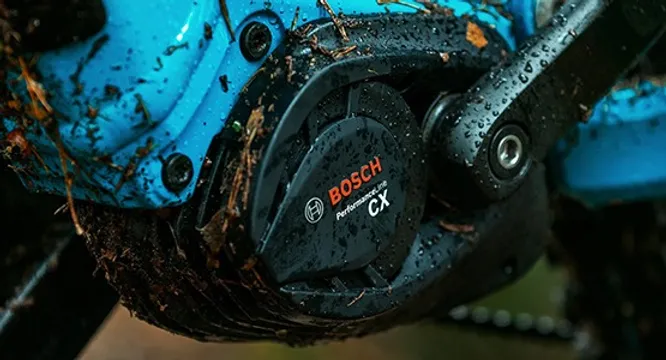
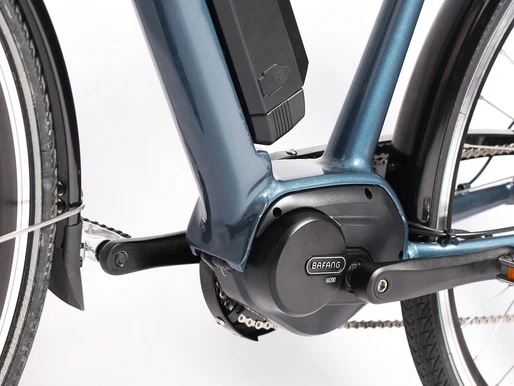
A mid-drive motor is mounted at the bike’s cranks, sending power through the bike’s chain and cassette. This means the motor can take advantage of the bike’s gears just like a strong rider would – downshifting into a low gear for steep climbs and upshifting for efficient cruising.
This drive system allows the motor to spin in its optimal RPM range regardless of your speed, improving both torque on steep hills and motor efficiency on long rides. Mid-drive motors provide better torque and efficiency on hills compared to hub motors of similar wattage, and mid-drive motors use the bike’s gears for better efficiency across varied terrain.
Mid-drive motor systems are common on electric mountain bikes, trekking bikes, and higher-end commuters. They shine when climbing ability matters, when you need balanced weight distribution for technical handling, or when hauling cargo. Because the motor sits low and central at the bottom bracket, weight distribution impacts the handling and stability of an electric bike in a positive way – the center of gravity stays low, improving cornering and control.
The trade-offs are real: mid-drive motors may require more maintenance due to drivetrain connections. All motor torque passes through the chain, cassette, and chainring, accelerating wear on those components. Mid-drive motors are also more complex and typically carry a higher price tag. But for riders who need high torque, off-road capability, or maximum range, the benefits outweigh the extra upkeep.
6. Motor Wattage Guide: 250W, 500W, 750W and Beyond
Wattage measures the electrical power consumed by an electric bike motor, but advertised numbers can be misleading. Manufacturers often quote peak power – short bursts lasting seconds – while the continuous (nominal) wattage that sustains your ride may be significantly lower. Understanding how much power you actually need starts with matching wattage to your body, your terrain, and your riding style.
Here’s a practical wattage guide for common U.S. ebike motor sizes:
- 250W – light assist, efficient, common on European-legal bikes. Works well for lighter riders on flat terrain with a mid-drive. A smaller motor like this, paired with the right gearing, can still deliver surprising hill-climbing performance.
- 350–500W – balanced performance for many riders. A good sweet spot for moderate hills and mixed commuting.
- 500–750W – typical for U.S. Class 2 and Class 3 bikes. Better for heavier riders, stop-and-go urban riding, or towing a kid trailer.
- Above 750W – specialty off-road or non-street-legal builds. Exceeds the federal e-bike definition in most cases.
Here’s a fact that surprises most riders: a 500W mid-drive can outperform a 750W hub motor on hills because the mid-drive leverages gear reduction to multiply torque. In fact, a 500W mid-drive can even outperform a 1000W hub motor in sustained climbing scenarios where raw power alone isn’t enough without mechanical advantage.
Motor wattage has to be matched to controller limits and battery capacity. Chasing the biggest wattage number without considering the whole motor system leads to disappointment. Crazy Lenny’s service team can help you understand realistic power output instead of marketing hype.
7. Torque (Nm), Sensors, and How the Motor Feels
Torque is the twisting force that actually pushes the bike forward, measured in Newton-meters (Nm). While wattage tells you how much electrical energy the motor consumes, torque tells you how forcefully it accelerates and climbs. Electric bike performance is influenced by factors such as motor type, torque, and battery capacity – and torque is often the spec that matters most in day-to-day riding.
Approximate torque benchmarks:
- 40–50 Nm – comfortable for flat terrain and casual riding
- 60–80 Nm – suited for hilly commuting and light cargo
- 80–100+ Nm – needed for steep hills, heavy riders, or loaded cargo bikes
Mid-drive motors typically deliver 100+ Nm of torque. Premium bikes with motors like the Avinox M2S deliver 130 Nm, the Gobao X1P offers 150 Nm, and the TQ HPR50 provides 95 Nm – each tuned for a different balance of raw power and ride refinement. Mid-drive motors excel on steep hills with 100–120 Nm of torque as a practical working range for higher torque output demands.
Cadence sensors vs torque sensors:
Cadence sensors detect pedal rotation and turn the motor on or off at defined levels. Hub motors typically use cadence sensors for power management, which gives a simpler, somewhat abrupt assist feel – the motor kicks in when you start pedaling and cuts when you stop.
Torque sensors measure pedal force – literally how hard you’re pushing – and deliver proportional assist. Torque sensors in mid-drives offer a more natural riding feel. The bike simply feels like you with super-strong legs. Motor characteristics affect how e-bikes feel to ride, particularly in terms of power delivery, and torque sensing is the technology that makes assist feel invisible.

8. Matching Motor Type to Riding Style and Terrain
This section is the practical heart of this electric bike motor guide: choosing the right motor based on how and where you ride.
- Urban commuter on flat roads – a rear hub motor in the 500–750W range handles stop-and-go traffic, predictable routes, and moderate distances with minimal fuss. Hub motors are ideal for flat terrain and budget-friendly options.
- Dane County rider with rolling hills – a mid-drive in the 500W range with torque sensing gives you more power on climbs while preserving battery life on flats.
- Off-road or mountain trail rider – mid-drive motors are the clear best motor choice here: higher torque, better weight balance, and the ability to shift gears under load. Most riders in this category want 80+ Nm.
- Cargo or child-hauling parent – high-torque mid-drive or heavy-duty rear hub paired with cargo bikes rated for the load. Total system weight and braking power matter as much as motor size.
- Older adult seeking stability (eTrike) – moderate-power rear hub motors with gentle acceleration and wide frames. Quiet operation and predictable assist build confidence.
- Fat-tire rider on snow or sand – either motor type works, but many hub motors in fat-tire builds are geared rear hubs sized for the wider axle, delivering decent performance at lower speeds on soft surfaces.
Ready to narrow it down? Crazy Lenny’s eBike Finder tool lets you input your terrain, distance, and comfort level to see bikes pre-filtered by suitable motor type.
9. Motor Type and Your Bike’s Gears, Range, and Maintenance
How the motor interacts with the bike’s gears – or doesn’t – changes everything from acceleration feel to battery range and service intervals.
Hub motors drive the rear wheel directly and do not use the bike’s gears, so they offer simple operation and low drivetrain wear. Hub motors require minimal maintenance due to fewer moving parts. However, hub motors generate more heat on sustained climbs, reducing motor efficiency when loaded near zero RPM. On flat terrain with a matched battery, range can be competitive with mid-drives.
Mid-drive motors route all force through the bike’s drivetrain, which increases efficiency and range – especially when you shift correctly – but concentrates stress on the chain, cassette, and chainring. Mid-drive motors provide 30–50% more range than hub motors on hilly routes because gear reduction keeps the motor near its optimal RPM. Battery range depends on various factors, including battery capacity and motor efficiency, but the mid-drive’s mechanical advantage is measurable.
Lifespan and service expectations:
- Mid-drive motors typically last 8,000–20,000+ miles. Proper care can extend mid-drive motor lifespan to 10 years.
- Hub motors can be more cost-effective to replace than repair because the motor is a self-contained unit inside the wheel hub.
- Temperature management is important for maintaining motor performance during heavy use – both motor types benefit from rest periods on long, steep climbs.
- At a shop like Crazy Lenny’s, expect periodic chain and cassette replacement for mid-drives, and basic wheel, spoke, and bearing checkups for hub motors. Maintenance compared between the two types is straightforward: mid-drives need more drivetrain attention, hub motors need less.
10. E‑Bike Motor Classes, Speed Limits, and Wisconsin Trail Rules
U.S. e-bike classifications follow a three-class model. According to PeopleForBikes’ federal rulemaking summary, Department of the Interior agencies define electric bicycles as Class 1, Class 2, or Class 3, requiring fully operable pedals and a motor with a power rating of less than 750 watts:
- Class 1 – motor provides assistance only when the rider is pedaling and ceases assistance at 20 mph.
- Class 2 – motor may be used exclusively to propel the bicycle (throttle capable) and is not capable of providing assistance above 20 mph.
- Class 3 – motor provides assistance only when the rider is pedaling and ceases assistance at 28 mph.
The motor’s wattage, assist behavior, and whether it has a throttle determine which class a bike falls into – and that class determines where you can legally ride with motor assistance.
Wisconsin trail rules: According to the Wisconsin DNR biking page, Class 1 and Class 3 electric bicycles are allowed on many state bicycle trails with a 15 mph speed limit. Electric bicycles are not allowed on other state bicycle trails unless specifically indicated in the DNR’s trail tables. Electric bicycles ridden with the motor turned off are treated like regular bikes on those trails. Riders with mobility disabilities may seek permits to use electric bicycles or similar devices on otherwise restricted trails, as the DNR suggests.
Check Local Rules: City paths, county trails, and private lands may have their own restrictions beyond state law. Crazy Lenny’s staff can help you interpret which motor class makes sense for your intended routes.
11. Conversion Kits vs Purpose‑Built E‑Bike Motors
Some riders consider adding a motor to an existing bike using a conversion kit – a front hub, rear hub, or occasionally a bottom-bracket mid-drive kit that bolts onto a standard bicycle frame. This appeals to tinkerers and budget-minded riders who already own a bike they love.
Who conversion kits are for:
- DIY enthusiasts comfortable with wiring, torque arms, and battery mounting
- Riders on tight budgets who want basic pedal assist on a familiar frame
- Owners of specialty frames (recumbents, tandems) that lack purpose-built e-bike options
Whose purpose-built e-bikes are for:
- Riders who want a turn-key experience with matched motor, controller, battery, and braking systems
- Anyone who values warranty coverage, clean cable routing, and refined pedal-assist tuning
- Most riders – especially those new to electric bikes
Crazy Lenny’s focuses on ready-to-ride, safety-checked e-bikes with properly matched motors, controllers, and batteries. If you arrive with a conversion background, staff can still help you understand motor sizing and compatibility.
12. Choosing the Best Motor for Commuting, Trails, Cargo, and More
This section maps everyday use cases to ebike motor types, wattage bands, and torque ranges so you can see what suits you at a glance.
For commuting: A 500–750W rear hub motor with moderate torque (around 50–70 Nm) is the sweet spot for city and suburban riding. These commuter e-bikes offer predictable assist, low maintenance compared to mid-drives, and enough more power to handle stop-and-go traffic confidently.
For mountain and off-road: Mid-drive motors with 70–90+ Nm deliver the climbing ability and control needed for steep, technical terrain. Premium bikes in this category often feature automatic shifting integration and advanced torque sensing for seamless hill-climbing performance.
For cargo, hunting, and heavy riders: Robust mid-drive systems or high-torque rear hub motors paired with strong frames and brakes. A test ride is critical here – battery life under heavy loads varies significantly, and dual-battery setups may be worth considering for long-range tasks.
For seniors and stability-focused riders (including eTrikes): Moderate-power rear hub motors with gentle acceleration and wide, upright frames. Predictable assist and a natural ride feel matter more than peak power for this group. Crazy Lenny’s free consultation service can dial in fit and motor behavior to match your comfort level.
13. Next Steps: Test Rides, Consultations, and the Crazy Lenny’s Advantage

Once you understand the difference between hub and mid-drive motors, wattage, torque, and classes, the best way to decide is to ride a few different electric bike motors back-to-back. Specs on a screen can only tell you so much – feeling the difference between a hub motor setup cruising on flat terrain and a mid-drive pulling you up a steep grade is worth more than any article.
Crazy Lenny’s eBikes, as North America’s largest single-location eBike retailer, maintains a wide range of bikes with different motor systems – hub, mid-drive, fat-tire, commuter, cargo, and eTrike – available for same-day test rides and side-by-side comparisons. Services like the free expert consultation, the online eBike Finder tool, and in-house maintenance and repair help you not just buy the right motor type but live with it confidently for years.
Bring your typical routes and questions – hill grades, commute distance, cargo needs, Wisconsin trail access – so staff can recommend specific motor sizes and bike models instead of generic advice. Now that you have a clear electric bike motor guide under your belt, the next step is to feel the difference for yourself.

FAQ
Is a hub motor or mid‑drive better for a first‑time e‑bike rider?
For most riders who are new to electric bikes, a rear hub motor is the easiest starting point. It’s simple to operate – just select an assist level and pedal – and it requires less drivetrain maintenance. The ride feel is predictable, and hub motors are typically more affordable, so you’re investing less while you learn what you like. That said, if you already ride regularly and know you’ll be tackling hills or trails, jumping straight into a mid-drive can be worthwhile for its natural ride feel and superior climbing ability. A test ride at Crazy Lenny’s will tell you more than any spec sheet.
Is a 250W motor enough, or should I choose 500W–750W?
A 250W mid-drive motor can work surprisingly well for lighter riders on mostly flat terrain – the gear advantage compensates for the smaller motor. But in typical U.S. conditions with hills, headwinds, or riders over 180 lbs, a 500–750W motor is a more comfortable and confidence-inspiring choice. Remember, motor size alone doesn’t determine performance: a 500W mid-drive can outperform a 750W hub motor on hills thanks to gear reduction. Crazy Lenny’s staff can match wattage to your weight, terrain, and riding goals.
What does Class 3 really mean for where I can ride?
Class 3 means the motor provides pedal assist only (no throttle above 20 mph) and ceases assistance at 28 mph. While Class 3 bikes are allowed on many Wisconsin DNR bicycle trails at a 15 mph speed limit, not every trail permits them – check the DNR’s trail-by-trail tables before assuming access. City paths and county trails may have their own restrictions as well.
How does motor type affect my battery range?
For the same battery size, a mid-drive motor can deliver 30–50% more range than a hub motor on hilly terrain because it uses the bike’s gears to stay in an efficient RPM range. On flat terrain, hub motors can be nearly as efficient. Rider habits – assist level, cruising speed, tire pressure, and total system weight – still play a major role regardless of motor type.
Does motor type matter if I mostly ride on flat Wisconsin roads and paths?
On mostly flat routes around places like Madison, most riders are perfectly served by a rear hub motor paired with a comfortable commuter or hybrid e-bike. The simplicity, lower cost, and minimal maintenance make it the practical choice for predictable terrain. However, if you plan to hit steeper hills outside the city, tow cargo, or explore off-road trails, a mid-drive still offers extra torque and control that a hub motor can’t match.
Can I upgrade or change my e‑bike motor later?
While some hub motor wheels and certain mid-drive systems can technically be swapped, major motor upgrades are rarely as simple as changing a part. Frame mounting points, controller compatibility, battery voltage, and warranty terms all come into play. It’s almost always better – and more cost-effective – to choose the right motor type upfront. That’s exactly what Crazy Lenny’s experienced team helps you do: match the motor to your needs before you buy, so you don’t need to change it later.