
Electric bikes come in many styles, but few stand out as much as fat tire electric bikes. With their big tires and rugged look, they promise stability, versatility, and the ability to ride where standard bikes struggle. This guide will help you discover the best fat tire electric options available, highlighting what sets them apart for different riders and terrains.
In this guide, we’ll break down what makes fat tire e-bikes unique, why they’re a top choice for adventurous riders seeking to explore challenging environments, who they’re best suited for, and how they compare to other electric bike options.
What Are Fat Tire Electric Bikes?
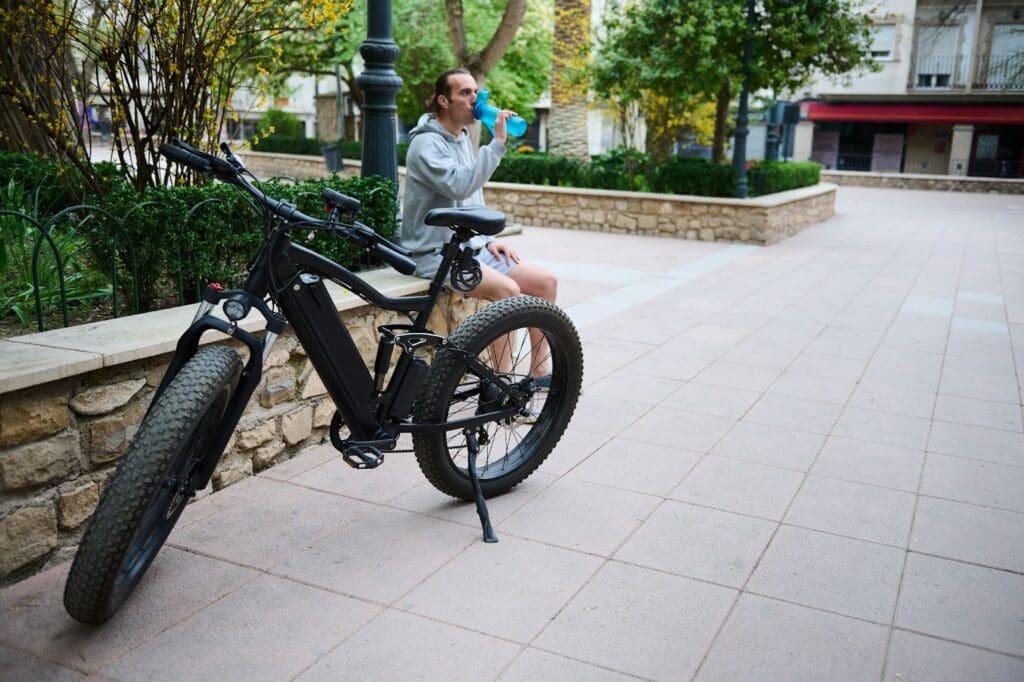
Fat-tire electric bikes are e-bikes equipped with extra-wide tires, typically 4 inches or more wide. These tires create a larger contact patch with the ground, improving traction and balance on a wide range of surfaces. A fat-tire ebike is especially valued for its versatility and ability to provide a stable, comfortable ride across diverse environments.
Unlike traditional electric bikes designed primarily for pavement, fat tire models are built to handle varied terrain, including challenging off-road conditions such as sand, snow, or gravel, while still offering pedal assist or throttle power from an electric motor. The bike’s battery capacity is crucial for maintaining strong performance and range across these different terrains.
Why Riders Choose Fat Tire E-Bikes
The popularity of fat tire e-bikes continues to grow, and for good reason. Outdoor enthusiasts appreciate these bikes for their ability to handle challenging terrain, making them ideal for off-road adventures and exploration. Fat tire electric bikes are especially popular on multi-use trails, where their versatility and compatibility with various surfaces stand out. Additionally, practical features such as weather resistance, ease of maintenance, and adaptability for different uses make these bikes appealing to a wide range of riders. Their design offers several clear advantages.
Superior Stability and Balance
Wide tires distribute weight more evenly, significantly improving ride quality by providing a smoother, more stable, and comfortable experience for the rider. This added stability can be especially appealing to riders who want extra confidence or frequently ride on uneven surfaces.
Excellent Traction on Challenging Terrain
From gravel roads and dirt to sand and snow, fat tires grip surfaces where narrower tires might slip. This makes these bikes a top choice among off-road e-bikes and adventure-focused riders, especially for off-road riding.
Comfortable, Cushioned Ride
Fat tires naturally absorb bumps and vibrations, making them ideal for all-day adventures where comfort is essential. For riders who prioritize comfort, this can reduce fatigue on longer rides or rough paths and make it easier to cover long distances.
True All-Terrain Capability
If you want a bike that transitions easily from city streets, paved roads, to trails, all-terrain electric bikes with fat tires are hard to beat.
Compared to a typical road ebike, fat-tire models offer greater versatility for riders who want to tackle both smooth urban surfaces and rugged off-road terrain.
Who Are Fat Tire Electric Bikes Best For?
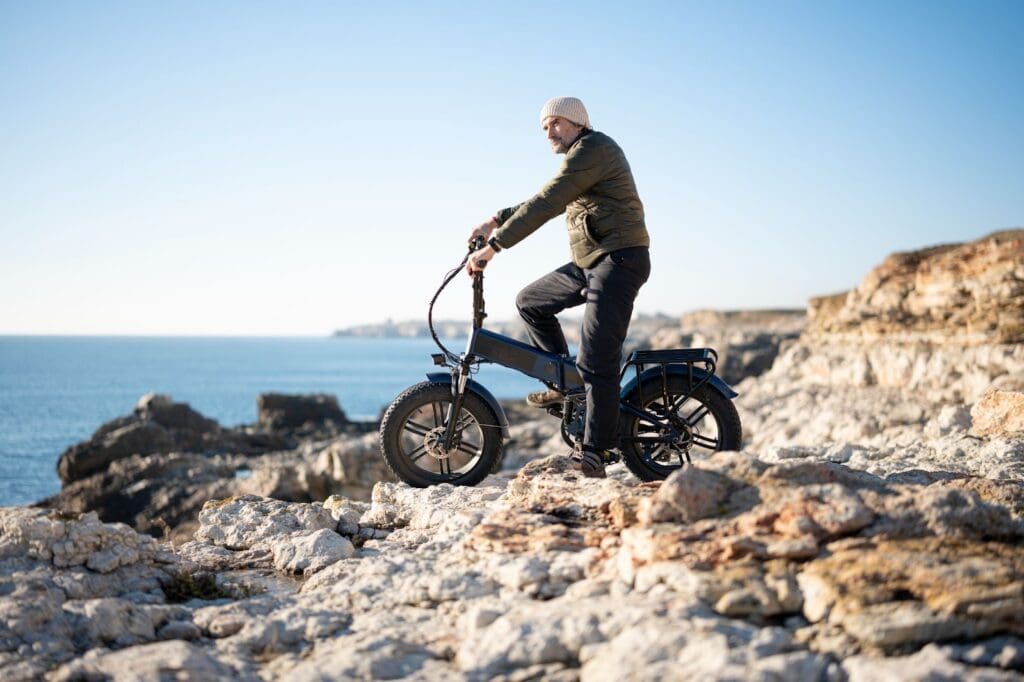
While they’re versatile, fat tire e-bikes aren’t ideal for everyone. They shine most in specific situations, especially for trail riders who need stability and traction on off-road terrain. Choosing the right frame size is also crucial for comfort and control, particularly for shorter riders who may benefit from bikes designed with adjustable components and a better fit.
Adventure and Off-Road Riders
Riders who explore trails, dirt roads, beaches, and forest paths, or who enjoy mountain biking, benefit the most. Fat tire e-bikes are built for conditions where standard tires struggle. For these challenging terrains, a fat e typically requires a more powerful motor—often in the 400W to 500W range—to handle the extra weight and deliver optimal performance.
Riders in Snowy or Sandy Environments
Snow, slush, and sand are classic examples of off-road conditions that can make riding difficult. The increased surface contact of big tires on fat-tire electric bikes provides better control and safety in these conditions.
Comfort-Focused Riders
Those who value a smooth, forgiving ride often appreciate the natural shock absorption fat tires provide, and may prefer step-through frames for added comfort and ease of use.
For comfort-focused riders, a step-through design further enhances accessibility and comfort, making fat tire electric bikes an excellent choice for a wide range of users.
Heavier Loads or Cargo
Fat tire frames are often sturdier, making them suitable for carrying gear, groceries, or accessories without compromising stability. Brands like Rad Power Bikes are well-known for offering models with robust frames designed for cargo and utility.
Many fat tire electric bikes also come equipped with enhanced security features, such as removable batteries and durable locking systems, to help protect both the bike and your cargo in various environments.
Potential Downsides to Consider
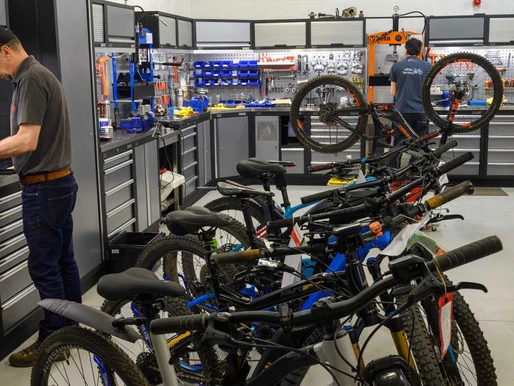
While fat tire electric bikes offer many benefits, there are a few trade-offs to keep in mind. Regular maintenance of key components—such as tires, batteries, brakes, and other mechanical parts—is essential to ensure optimal performance and longevity. The larger frames and heavier build can make these bikes more challenging to maneuver, especially for smaller riders. However, features like a suspension fork can help offset the bulkiness by improving ride comfort and handling, particularly on rough terrain.
Increased Weight
Fat tire e-bikes tend to be heavier than standard electric bikes. This can make them harder to lift or transport, especially without a bike rack designed for e-bikes.
Reduced Efficiency on Pavement
Wide tires create more rolling resistance. On smooth roads, this can slightly reduce efficiency compared to narrower-tire electric bikes.
Larger Frame Size
Some riders may find fat tire bikes feel bulky, particularly in tight urban spaces or when storing them indoors.
Fat Tire E-Bikes vs Other Electric Bikes
Understanding how fat tire models compare to other options helps clarify whether they’re the right fit. Fat tire electric bikes often offer higher top speeds than traditional e-bikes, with some models reaching higher top speeds and accelerating faster thanks to powerful motors and advanced speed modes.
5.1 Performance: Fat tire e-bikes are known for their stability and traction, especially on loose or uneven surfaces. When it comes to hill climbing, these bikes often feature high-torque motors and drivetrain configurations that help riders ascend steep or challenging terrain with ease.
5.2 Terrain: While all-terrain e-bikes can handle a variety of surfaces, fat tire models excel on sand, snow, and rough trails. Some high-performance fat tire e-bikes are equipped with a mid-drive motor, integrated into the frame and delivering smooth, responsive power—especially beneficial for rugged terrain and heavy-duty use.
Fat Tire vs Standard Electric Bikes
Standard electric bikes are typically lighter and faster on pavement. Fat-tire e-bikes sacrifice some speed and efficiency for versatility and comfort.
Fat Tire vs Mountain E-Bikes
Mountain e-bikes focus on technical trail performance and agility. Fat tire electric bikes prioritize stability and traction over nimbleness, making them more approachable for casual off-road riders.
Key Features to Look For in the Best Fat Tire E-Bikes
Not all fat tire e-bikes are created equal. When shopping for the best fat tire e-bikes, consider these features: A torque sensor provides a more natural, intuitive riding experience by detecting your pedaling force and adjusting motor assistance for smoother control, especially on rugged terrain. High-end models may also offer electronic shifting, delivering seamless gear changes and advanced drivetrain technology for added convenience and performance.
Motor Power and Pedal Assist
A strong motor helps offset the added weight of fat tires, especially on hills or soft terrain.
Battery Capacity
Larger tires require more energy. A higher-capacity battery ensures adequate range for longer rides.
Quality Brakes
Hydraulic disc brakes are ideal for handling the added mass and stopping power needed on varied terrain.
Frame Design and Fit
Choose a frame size and geometry that matches your riding style, whether upright and relaxed or more aggressive and trail-focused.
Maintenance and Care for Fat Tire E-Bikes
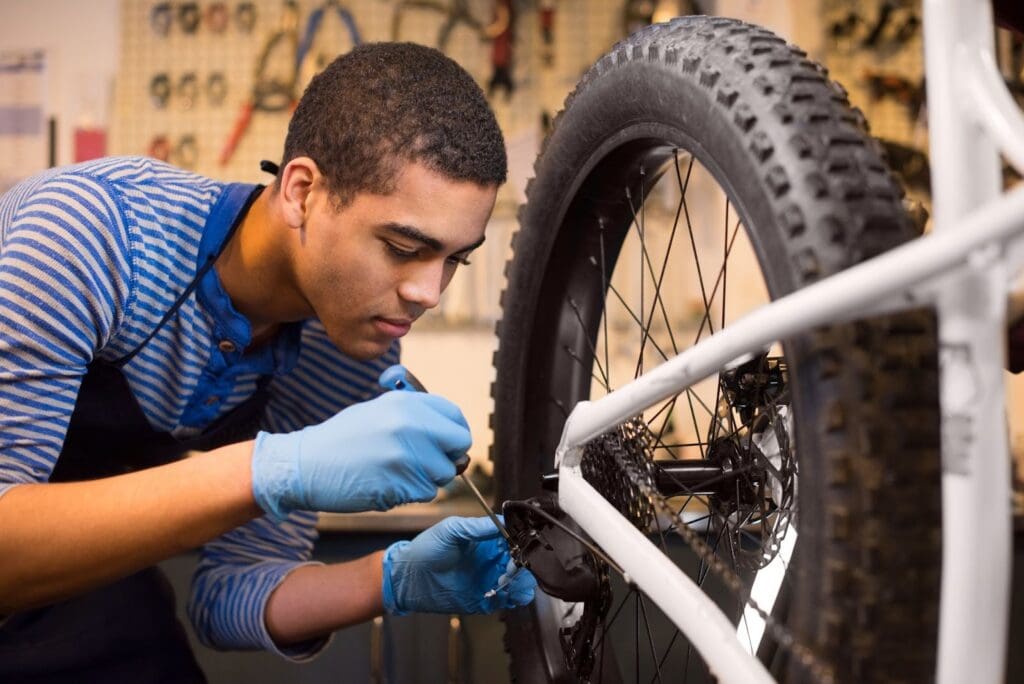
Keeping your fat tire e-bike in peak condition is key to enjoying a comfortable ride, whether you’re cruising city streets or tackling off-road trails. Start by checking your tire pressure regularly—fat tires perform best when properly inflated, offering better traction and reducing the risk of flats on rough trails. After off-road adventures, take time to clean your bike thoroughly, removing mud and debris that can affect both the electrical system and moving parts. Lubricate the chain and gears regularly, especially in wet or dusty conditions, to ensure smooth operation and prevent premature wear.
Pay special attention to your hydraulic disc brakes, as they’re essential for safe stopping on varied terrain. If you’re not comfortable servicing hydraulic brakes yourself, schedule regular checkups with a professional. Protect your e-bike’s electrical components by applying a waterproof coating if you often ride in wet conditions, and always store your bike in a dry, cool place to extend the life of the battery and electronics. By following these maintenance tips, riders can count on their fat tire e-bikes for reliable performance and a great riding experience, no matter where the adventure leads.
Safety Considerations for Fat Tire E-Bike Riders
Safety is paramount when riding a fat tire e, especially if your journeys take you on off-road adventures or through rugged trails. Always wear a helmet, and consider additional protective gear, such as gloves and knee pads, for extra security on challenging terrain. Before heading out, familiarize yourself with local regulations regarding e-bike use—rules about maximum assisted speed and where you can ride may differ between city streets and off-road areas.
Understanding your bike’s capabilities, such as how it handles steep hills or how quickly the hydraulic brakes respond, can help you ride with confidence. Equip your fat tire e with front and rear lights for visibility, and wear reflective clothing if you’ll be riding in low light. For those venturing off road, basic repair skills—like fixing a flat or adjusting hydraulic brakes—are invaluable, so carry a small toolkit and a spare tube. Whether you’re navigating city traffic or exploring the great outdoors, always ride within your limits and stay alert to your surroundings to ensure every ride is a safe one.
Cost and Financing Options

Fat tire e-bikes come in a range of prices, influenced by features like motor power, battery range, and the quality of components such as hydraulic disc brakes. Entry-level models are available for around $1,000, while the best fat tire e-bikes with advanced features—like long-range batteries and powerful motors—can reach $3,000 or more. While this can be a significant investment, many retailers offer financing options, including 0% interest plans that spread payments over several months, making it easier to budget for your new e-bike.
Keep an eye out for seasonal promotions or discounts, which can help you secure a great deal on your next off-road companion. When considering financing, review the terms carefully to understand any potential fees or interest rates after the promotional period. With the right plan, you can enjoy the benefits of a fat tire e-bike for daily commuting or off-road adventures without breaking the bank.
Accessories and Upgrades to Enhance Your Ride
Enhancing your fat tire e-bike with the right accessories and upgrades can make every ride more enjoyable and practical. For those who love off-road exploration, adding a rear rack is perfect for hauling heavy gear on long rides, while fenders help keep you clean on muddy trails. Upgrading to a more powerful motor or a battery with greater range is ideal for tackling steep inclines or extending your adventures into the great outdoors.
Suspension forks and seatposts can be swapped out for models that offer a smoother ride over rough terrain, improving comfort on bumpy paths. City riders might appreciate accessories like bright lights, mirrors, and sturdy locks for added safety and convenience. With so many aftermarket options available, you can customize your fat tire e to match your riding style—whether you’re conquering rugged trails or commuting through city streets. These enhancements ensure your bike is ready for any challenge, delivering a superior riding experience every time.
Are Fat Tire Electric Bikes Right for You?
Fat tire e-bikes are a great choice if you want:
- A bike that handles multiple surfaces confidently
- Extra comfort and stability
- An electric bike suited for off-road and all-terrain riding
They may not be the best option if your riding is strictly urban, you prioritize lightweight design, or you frequently carry your bike up stairs or onto public transportation.
Final Thoughts on Fat Tire Electric Bikes

Fat tire electric bikes are built for riders who value versatility, comfort, and control across diverse riding conditions. From gravel paths and snowy streets to sandy trails, these bikes open up riding opportunities that standard electric bikes may not handle as well.
If you enjoy adventure, unpredictable terrain, or simply want a more stable and forgiving ride, a fat tire e-bike could be the perfect fit. Taking one for a test ride is the best way to decide whether this powerful, all-terrain option matches your lifestyle and riding goals.
Frequently Asked Questions About Fat Tire Electric Bikes
Are fat tire electric bikes harder to pedal?
Without the motor, yes—fat tire electric bikes have more rolling resistance and weight. However, when using pedal assist or the throttle, the motor easily overcomes this resistance, making the ride feel just as light and effortless as a standard e-bike.
What is the best tire pressure for fat tire electric bikes?
One of the biggest perks of fat tire electric bikes is the ability to run at low pressure. For soft surfaces like sand or snow, you can go as low as 5–10 PSI for maximum “float.” For pavement or hard trails, 15–20 PSI offers a smoother, more efficient roll.
Can you ride fat tire electric bikes on the beach?
Absolutely. Fat-tire electric bikes are the best choice for beach riding because their wide tires prevent the bike from sinking into the sand. Just be sure to rinse the chain and frame with fresh water afterward to prevent salt corrosion.
Do fat tire electric bikes fit on standard bike racks?
Most standard car racks are not wide enough for the 4-inch tires found on fat tire electric bikes. You will likely need a specialized heavy-duty hitch rack designed for the extra weight and tire width of these robust machines.
Are fat tire electric bikes good for commuting?
Yes, especially if your commute involves potholes, gravel, or wet weather. While fat tire electric bikes are slightly less nimble than thin-tire models, they offer a “cushioned” ride that absorbs road vibrations, making them incredibly comfortable for daily city use.