

Electric bikes are incredibly reliable, but like any machine that combines mechanical parts, electronics, and lithium-ion batteries, issues can arise over time. This e-bike troubleshooting guide walks through the most common problems riders face, how to diagnose them safely, and when it’s time to stop DIY fixes and seek professional help.
Whether your e-bike’s battery won’t charge, your e-bike’s motor cuts out, or error codes appear on the display, understanding what’s happening can save time, money, and frustration.
Diagnosing Common E-Bike Battery Problems
Most performance issues start with the electric bike battery. Because the e-bike’s battery relies on lithium cells and sensitive electronics, even small issues can lead to reduced range, intermittent power, or a dead battery.
When inspecting or handling the e-bike’s battery and electrical components, always wear appropriate protective gear, such as insulated gloves and safety glasses, to prevent electrical shocks and injuries.
The Battery Management System (BMS) monitors each cell’s voltage and manages charging and discharging within the e-bike’s battery. A faulty BMS can lead to reduced capacity, sudden power loss, overheating, or even permanent damage to the battery.
Common warning signs of battery problems include a sudden drop in range, slow charging, or the battery not holding a charge. Symptoms of a faulty BMS include reduced range, slow or incomplete charging, and sudden battery shutdowns during operation.
Regular visual checks of the battery pack for signs of physical damage are crucial for maintaining battery health. Visual inspection for cracked MOSFETs, burnt joints, and broken diodes is essential for diagnosing a faulty BMS. If you notice excessive heat, unusual odors, or noises from the battery, these indicate potential internal faults or chemical imbalances.
A multimeter is essential for testing voltage across battery terminals and assessing BMS functionality.
Signs of a Failing E-Bike Battery
Some of the most common warning signs include:
- Reduced range even after a full charging process
- Intermittent power loss while riding
- Slow charging or no response from the charger
- Error codes related to battery voltage
- Excessive heat coming from the battery casing
Battery wear is normal over time due to natural cell degradation, but sudden changes often point to internal damage or an internal fault.
Battery Connections and Terminals
Loose connections are one of the most overlooked causes of e-bike battery problems. Inspect:
- Battery terminals for corrosion
- Battery’s connector pins for bent pins
- Loose connector plugs or improperly connected wires
- The battery compartment is for debris or moisture
Loose battery connections can cause voltage sag, intermittent power, or the bike works fine one moment and shuts off the next.
Battery Management System (BMS) Issues
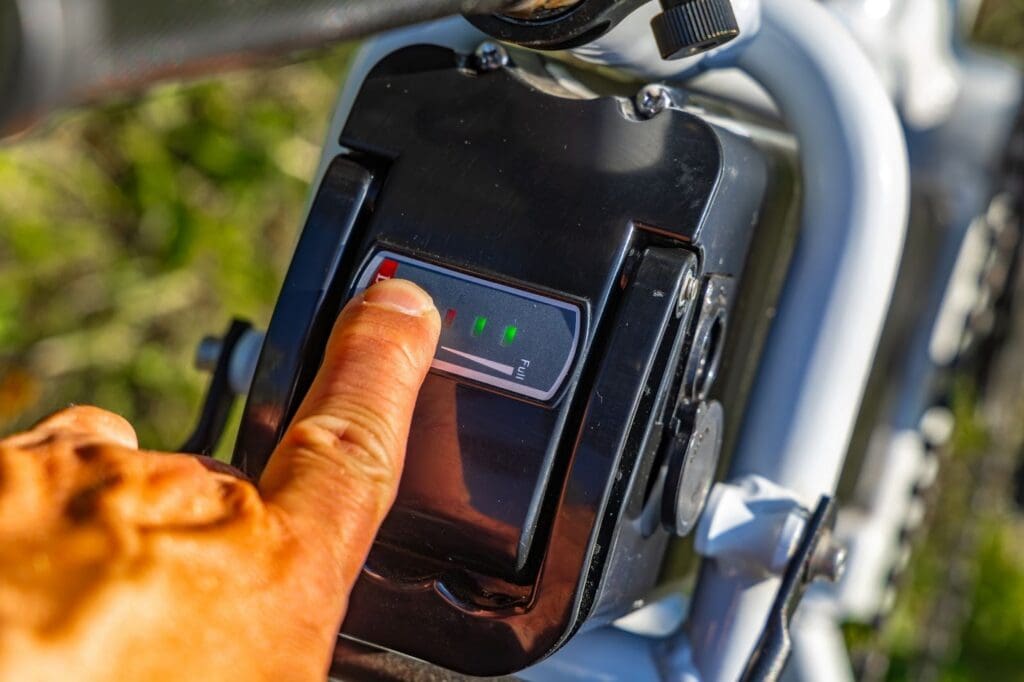
Every battery pack includes a battery management system designed to protect lithium-ion batteries from overcharging, overheating, and incorrect voltage.
If one cell group or individual cell groups fall outside normal ranges, the BMS may shut down the system entirely.
Common BMS Symptoms
- Error codes appearing during startup
- Intermittent power under load
- Reduced electric assistance
- Sudden shutoff at higher speeds
A digital multimeter can measure DC voltage, but checking individual cell group voltages is risky without training and poses a serious safety risk, including electric shock.
Charging Problems: Charger, Port, and Voltage Issues
Faulty or Defective Charger
A faulty charger or defective charger is a common cause of charging failure. Always confirm:
- Charger output matches the nominal voltage
- You’re using the manufacturer-recommended charger
- The charger port is clean and undamaged
Using a charger that supplies incorrect voltage or incorrect voltage levels can damage lithium cells and shorten battery life.
Charging Port and Connector Issues
Inspect the battery’s charging port and charger port for:
- Bent pins
- Loose wires
- Internal fuse damage
- Signs of overheating
Improper charging habits, like charging immediately after riding in extreme temperatures, can also reduce battery health over time.
Motor and Controller Issues
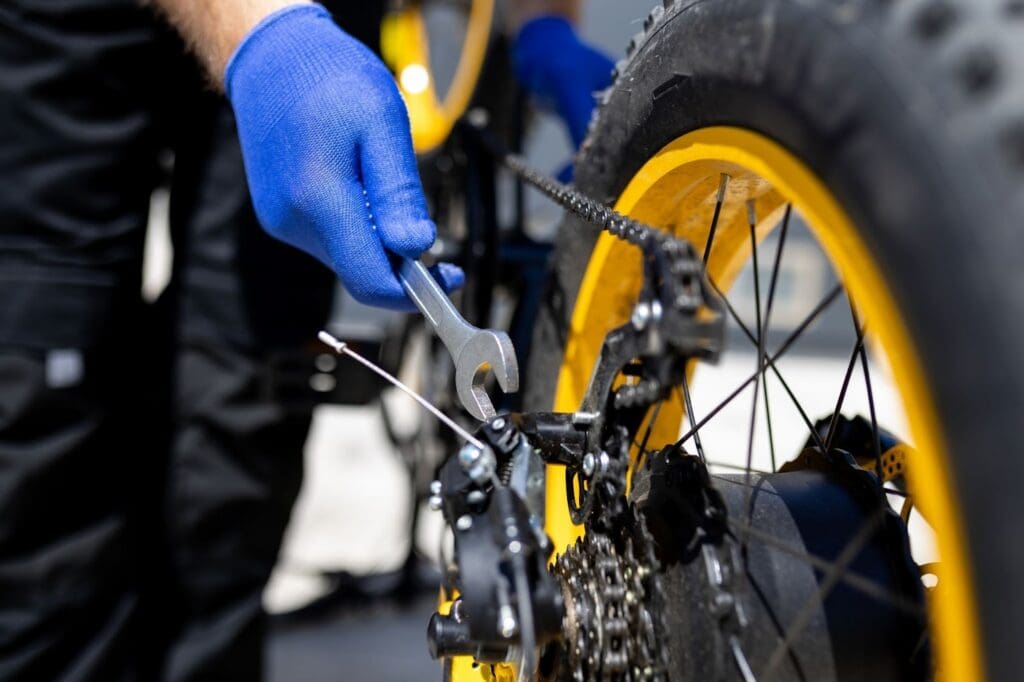
When the bike’s motor behaves erratically, the problem may not be mechanical.
Motor issues can often be traced back to improper brake sensor function, which may signal the motor to stop.
Loose motor cable connections or issues with the Hall sensor may cause motor engagement problems.
Regular maintenance can significantly extend the life of your hub motor and prevent issues.
E-Bike Motor Issues to Watch For
- No response from pedal assist
- Sudden loss of electric assistance
- Grinding or clicking noises
- Error codes related to the motor controller
Loose electrical connections, faulty wiring, or internal damage in the motor controller can all affect the bike’s motor performance.
Understanding E-Bike Error Codes
Modern electric bikes rely on bike electronics to monitor system health. Error codes are designed to help diagnose e-bike performance issues quickly.
Common Causes of Error Codes
- Battery pack voltage irregularities
- Internal fault in electrical components
- Loose connections between components
- Sensor or controller failures
While some error codes reset after proper charging or reconnecting electrical connections, repeated codes indicate a deeper issue.
Diagnostic Tools and Techniques
When it comes to troubleshooting your electric bike, having the right diagnostic tools can make all the difference. One of the most valuable tools for identifying battery issues and electrical problems is the digital multimeter. This device allows you to measure DC voltage, current, and resistance throughout your e-bike’s electrical system, helping you pinpoint everything from loose connections to internal damage.
Using a Digital Multimeter for E-Bike Troubleshooting
A digital multimeter is essential for checking the health of your electric bike battery and related components. Here’s how to use it safely and effectively:
- Set the Multimeter Correctly: Before starting, set your digital multimeter to the appropriate function—typically DC voltage for most e-bike battery checks. Select a voltage range that matches your battery’s nominal voltage (for example, 36V or 48V).
- Measure Battery Voltage: Place the multimeter’s probes on the battery terminals to check if the voltage matches the specified full voltage. A reading significantly below the expected value may indicate a failing e-bike battery or internal fault.
- Check Charger Output: Test the charger output by connecting the probes to the charger’s output terminals. Ensure the charger is supplying the correct voltage and current as recommended by the manufacturer. An incorrect reading could point to a faulty charger or supply incorrect voltage, which can harm your battery pack.
- Inspect Electrical Connections: Use the resistance function to check for loose connections or corrosion at the battery connections, charging port, and other key points. High resistance readings may signal a problem that could lead to intermittent power or charging issues.
Safety Tip: Always follow proper safety precautions when using a digital multimeter. Avoid touching exposed wires or terminals with bare hands, and never attempt to open the battery casing yourself. Mishandling can result in electric shock or further internal damage.
Brake and Mechanical Issues That Affect Performance
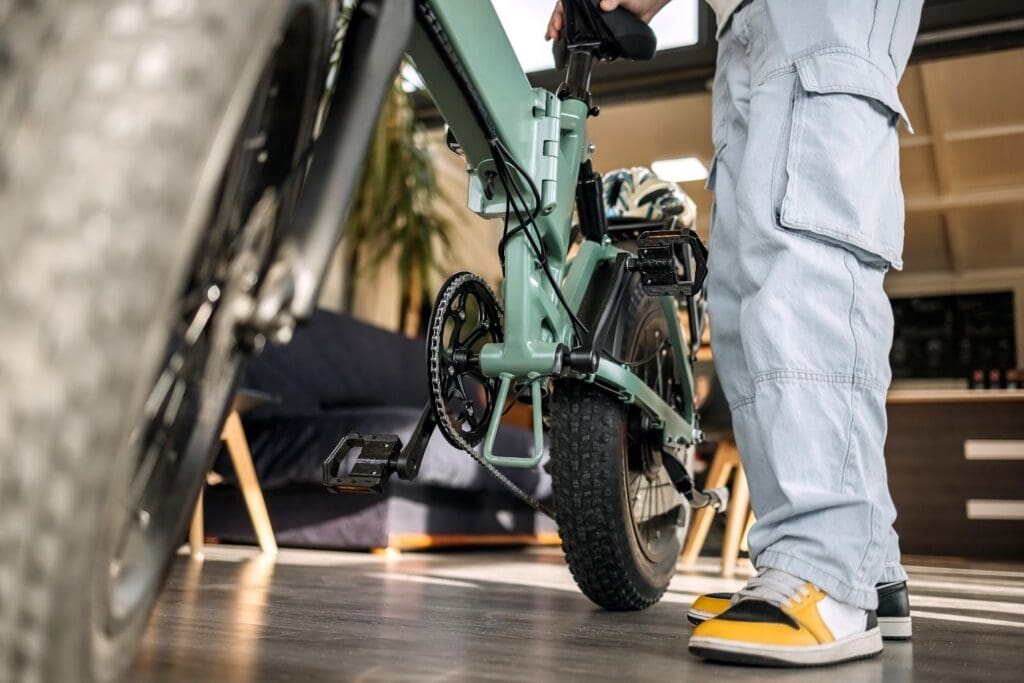
Not all problems are electrical. Mechanical components can also impact how your e-bike performs.
Brake Pads and Safety Checks
Worn brake pads can cause drag, reducing range and efficiency. Regular maintenance should include:
- Inspecting brake pads for wear
- Checking cables and hydraulic lines
- Ensuring wheels spin freely
Mechanical resistance often gets mistaken for battery issues when the real problem is friction.
DIY E-Bike Repairs: What’s Safe to Fix Yourself?
Some DIY e-bike repairs are safe and effective if done carefully.
Safe DIY Tasks
- Tightening loose connections
- Cleaning charging ports
- Inspecting battery terminals
- Replacing brake pads
- Checking for loose wires
Always remove the battery before working on electrical components, and handle battery handling with caution.
When to Get Professional E-Bike Service

Some problems should never be handled at home.
Call a Professional E-Bike Technician If You Notice:
- Internal damage to the battery casing
- Swollen or damaged battery
- Repeated error codes
- Intermittent power that persists after checks
- Signs of excessive heat or burning smells
A professional e-bike technician or bike shop has the tools to test charger output, diagnose internal faults, and safely replace a failing e-bike battery or install a new battery.
Preventing Future E-Bike Issues
Consistent care goes a long way.
Best Practices for Long-Term Battery Health
- Follow proper charging habits
- Store the battery indoors in moderate temperatures
- Avoid full discharge cycles
- Perform regular maintenance
- Keep electrical connections clean and dry
A healthy battery and well-maintained electrical components ensure your electric bike delivers reliable performance for years.
Final Thoughts

This e-bike troubleshooting guide gives riders the confidence to identify common battery issues, charging problems, and motor concerns, and consult user manuals for their American Rider models while knowing when professional service is the safer option. While many small fixes are manageable at home, anything involving internal battery faults or electrical components should be handled by experts.
When in doubt, your local bike shop is the best resource to keep your e-bike safe, powerful, and ready for the road.
Frequently Asked Questions About E-Bike Troubleshooting Guide
What are the most common e-bike problems riders experience?
The most common e-bike issues involve the battery, charger, motor, or electrical connections. Riders often notice reduced range, intermittent power loss, charging problems, or error codes on the display. Many of these issues start with the battery or loose connections.
How can I tell if my e-bike battery is failing?
Warning signs of a failing e-bike battery include sudden range loss, slow or incomplete charging, intermittent power while riding, excessive heat, or recurring error codes. While battery wear is normal over time, rapid changes usually indicate internal damage or a faulty battery management system (BMS).
Is it safe to use the e-bike troubleshooting guide to troubleshoot an e-bike battery at home?
Basic checks like inspecting connectors, cleaning terminals, and testing voltage with a multimeter can be done safely if you’re experienced and follow precautions. However, opening the battery casing, testing internal cell groups, or attempting repairs inside the battery is unsafe and should always be handled by a professional.
Why does my e-bike turn off randomly while riding?
Sudden shutdowns are often caused by loose battery connections, voltage sag under load, a faulty BMS, or controller issues. If the problem persists after checking connections and fully charging the battery, a professional diagnosis is recommended.