
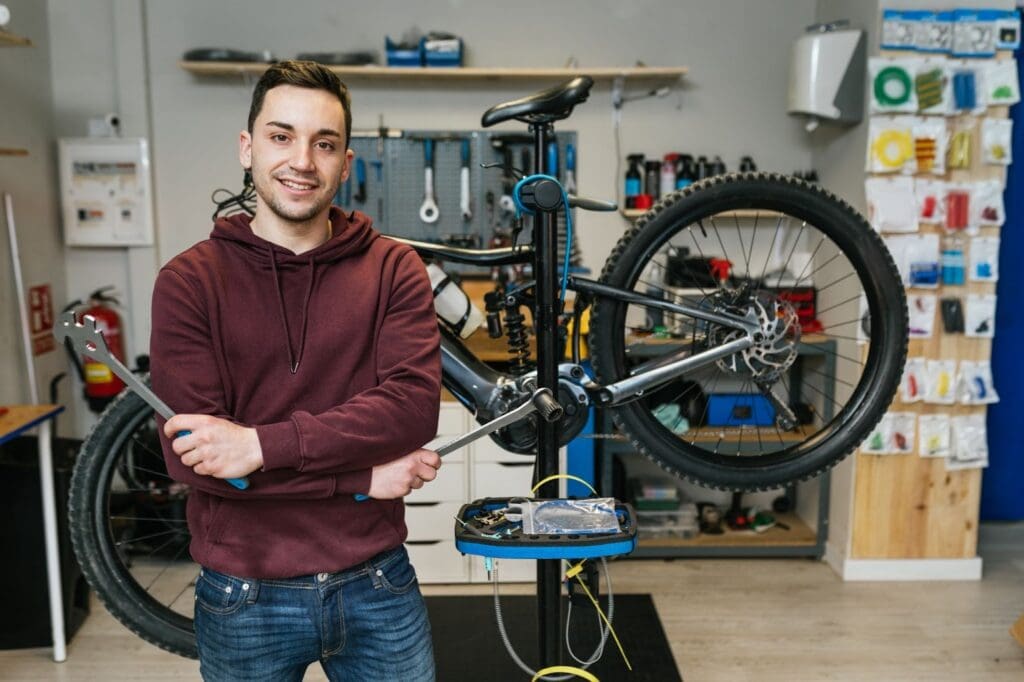
E-bikes are incredibly reliable, but like any piece of technology, they can run into issues from time to time. Knowing a little about e-bike maintenance and repair can save you money, prevent breakdowns, and help you decide when a problem is DIY-friendly — and when it’s time to call in a professional.
Regular electric bike maintenance is essential for preventing issues, ensuring smooth operation, and keeping your rides safe. Proper upkeep also helps extend the lifespan of your e-bike and reduces the risk of costly repairs.
Below, we’ll walk through the most common e-bike problems, basic electric bike troubleshooting steps you can try at home, and clear signs that it’s time to service your e-bike. When troubleshooting, always consult your owner’s manual for specific maintenance and repair guidance, recommended service intervals, and safety tips. If your e-bike has experienced a breakdown or impact, be sure to inspect the frame for any damage, as it supports key electrical components and overall stability. Sometimes, you may need to replace worn or damaged components such as throttles, controllers, brake parts, fuses, wiring, or chains to restore proper functionality.
Introduction to E-Bikes
Electric bikes, or e-bikes, are transforming the way people commute and enjoy cycling. By combining the familiar feel of a regular bicycle with the added boost of an electric motor, e-bikes make it easier to tackle longer distances, steep hills, and daily rides with less effort. Whether you’re a commuter looking for a cost-effective and eco-friendly alternative, or a recreational rider seeking more adventure, e-bikes offer a versatile solution. To keep your e bike running smoothly, regular maintenance is essential. This includes caring for the electric bike battery, ebike motor, and other key components. A well-maintained ebike not only delivers better performance but also extends the life of your battery, motor, and the bike itself, ensuring every ride is as enjoyable as the first.
E-Bike Components: Brake System and Pads
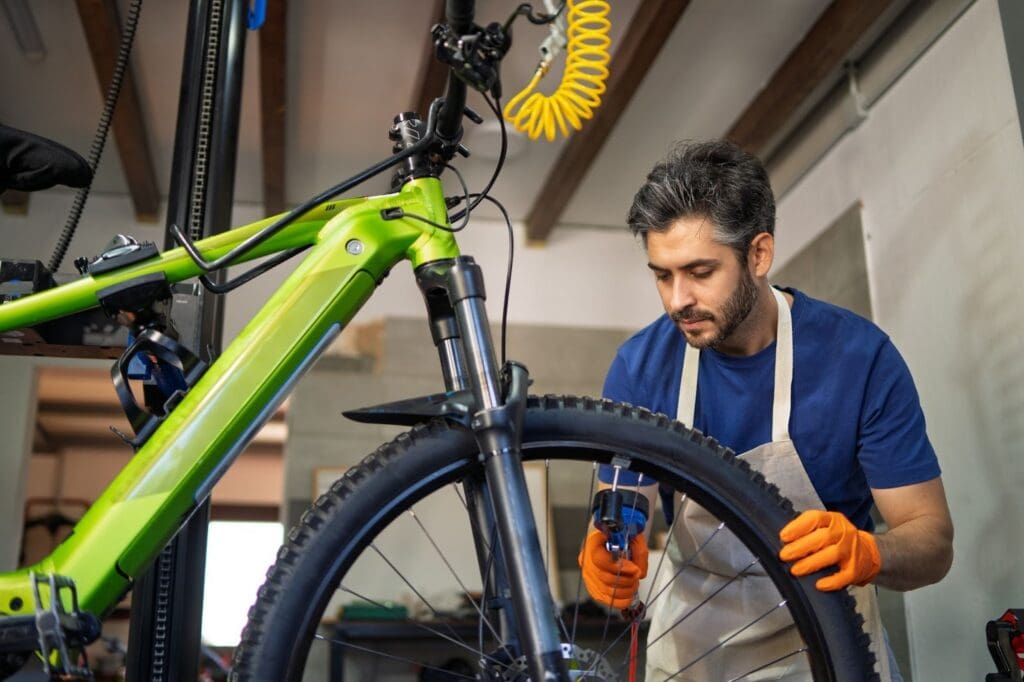
A reliable brake system is one of the most important safety features on any e-bike. Your e-bike’s brakes consist of several components: brake levers, brake discs, and brake pads, all working together to provide controlled stopping power. Over time, brake pads can wear down, reducing their effectiveness and increasing stopping distances. That’s why regular maintenance—like inspecting and replacing brake pads—is crucial for preventing common electric bike problems. Don’t forget to check the brake motor inhibitor, which helps cut power to the motor when you engage the brakes, and inspect the entire brake system for signs of wear or damage. Keeping your brakes in top condition ensures every ride is safe, smooth, and responsive, giving you peace of mind whether you’re commuting or exploring new routes.
Common E-Bike Problems (And What They Usually Mean)
1. The E-Bike Won’t Turn On
If your e-bike won’t power up, don’t panic — this is one of the most common issues riders face.
Possible causes:
- Battery not fully seated
- Loose or damaged wiring
- Battery completely drained
- Faulty display or controller
- Damaged battery
Quick troubleshooting tips:
- Remove and reseat the ebike battery firmly
- Check for visible cable damage or loose connections
- Try charging the ebike battery fully and testing again
- Check the indicator lights on the ebike battery and charger for error signals or fault codes
- Verify that the power supply to the charger is working properly
If the bike still won’t turn on after these steps, professional diagnostics may be needed to inspect the controller or internal wiring.
2. Reduced Battery Range or Sudden Power Loss
Noticing your e-bike doesn’t go as far as it used to? Battery performance naturally declines over time, but sudden drops are a red flag.
Common reasons:
- Aging battery cells
- Cold weather is reducing battery efficiency
- Improper charging habits
- Software or controller issues
- Damaged battery
What you can do:
- Store and charge your battery indoors
- Avoid fully draining the battery regularly
- Check your assist settings to ensure nothing has changed
- Monitor the battery level on your display for sudden drops or irregularities
If the range continues to decline rapidly, it may be time to service your e-bike and have the battery professionally tested—replacing a damaged battery is important for safety reasons.
3. Motor Cuts In and Out While Riding
Intermittent motor assistance can feel frustrating — and unsafe.
Likely causes:
- Loose motor or sensor connections
- Dirty or misaligned cadence or torque sensors
- Controller issues
- Malfunctioning hub motor
- Stuck motor inhibitor switch
Troubleshooting steps:
- Inspect wiring around the motor and the bottom bracket
- Gently clean sensors with a dry cloth
- Check that nothing has shifted out of alignment
- Verify that the hub motor is working properly and not showing signs of failure
- Check if the motor inhibitor switch is working properly and not stuck in the ‘on’ position
Because motor systems are complex and brand-specific, this is often a situation where electric bike troubleshooting should stop, and a certified technician should take over.
4. Strange Noises From the Motor or Drivetrain
Clicks, grinding sounds, or whining noises shouldn’t be ignored.
Common explanations:
- Dry or worn drivetrain components
- Loose bolts around the motor mount
- Internal motor wear
- Loose or worn mechanical components
At-home checks:
- Lubricate the chain and drivetrain
- Tighten visible bolts to manufacturer specs
- Inspect the frame for cracks or damage, especially after impacts
- Test ride to see if the noise persists
Persistent or loud motor noises usually signal the need for professional e-bike maintenance and repair—a comprehensive tune-up may be required to address them.
5. Display Errors or Fault Codes
Modern e-bikes often display error codes when something isn’t right.
What to do first:
- Turn the bike off and back on
- Consult the manufacturer’s manual for code definitions
- Check battery and motor connections
- Check and reset the circuit breaker if your e-bike has one
Some error codes are simple resets, while others indicate deeper electrical issues. When codes keep returning, it’s best to have your e-bike serviced by a qualified shop, as you may need to replace faulty electrical components. If error codes persist after basic troubleshooting, seek professional assistance.
Importance of Proper Bike Chain Care
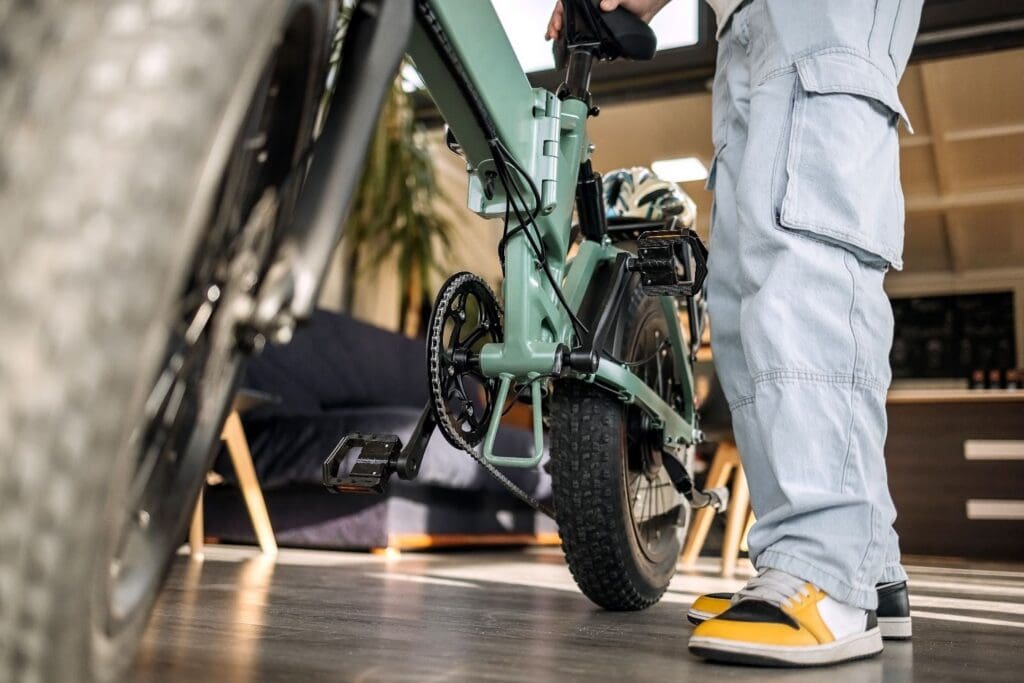
The bike chain is the unsung hero of your e-bike, transferring your pedalling power to the wheels and working in harmony with the pedal assist system. Without regular care, the chain can accumulate dirt and grime, leading to increased wear and tear, poor brake alignment, and reduced pedal-assist performance. For regular riders, it’s important to clean and lubricate the bike chain frequently to keep everything running smoothly. A well-maintained chain not only extends your bike’s life but also helps prevent unexpected breakdowns and ensures a safer, more enjoyable ride. Make chain inspection and maintenance a regular part of your e-bike care routine to keep your bike performing at its best.
Tips for Extending E-Bike Battery Life
Maximizing the life of your electric bike battery is key to getting the most out of your electric bicycle. Most e-bikes use lithium-ion batteries, which require some care to stay healthy. To extend your battery life, avoid letting the battery fully discharge—try to recharge it before it drops too low. Store your battery in a cool, dry place, away from extreme temperatures, and clean the battery terminals regularly to prevent corrosion. For regular riders, it’s also a good idea to keep your battery management system up to date and avoid leaving the battery plugged in for extended periods after it’s fully charged. By following these simple tips, you’ll enjoy longer rides, more consistent power, and a battery that lasts for years.
Basic E-Bike Maintenance You Can Do Yourself
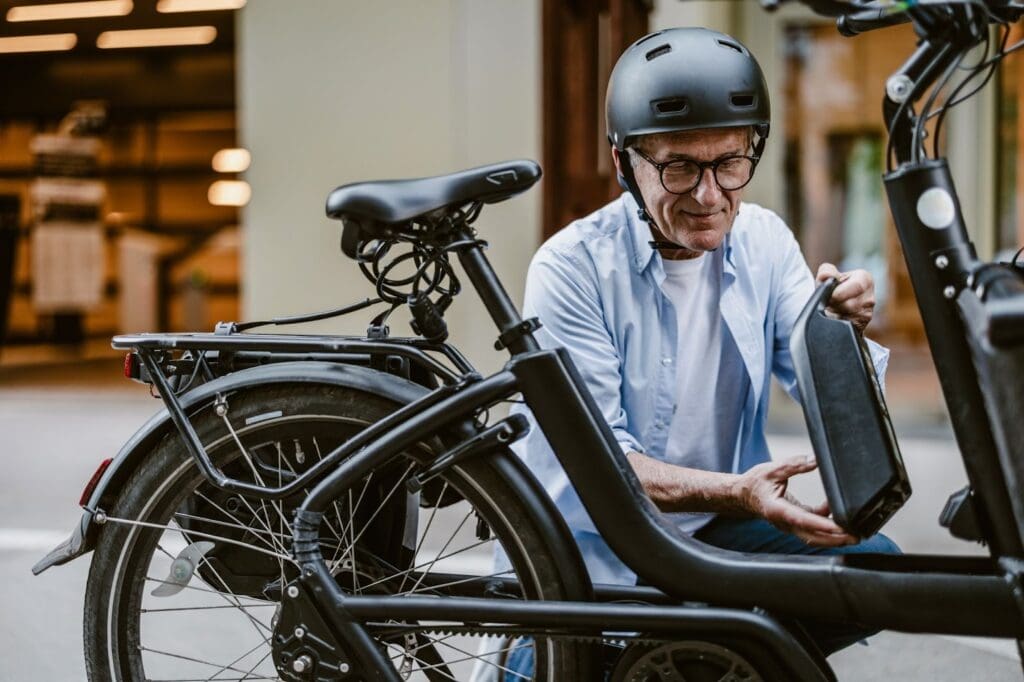
Regular maintenance goes a long way toward preventing bigger issues.
Easy habits that help:
- Keep the chain clean and lubricated
- Check tyre pressure weekly and inspect tyres for wear or damage
- Inspect brake pads and cables
- Wipe down electrical connections (never pressure wash)
- Clean off external dirt from brakes and drivetrain to prevent wear.
- Use a flathead screwdriver and gentle pressure to adjust the pedal-assist sensor or magnet ring, if needed.
- Check throttle assist and ensure the throttle’s position is not stuck or misaligned.
- Ensure the charger plug is securely connected when charging the battery.
Staying proactive with maintenance reduces the risk of sudden breakdowns and extends your e-bike’s lifespan.
When to Service Your E-Bike (Call a Pro)
While some common e-bike problems are easy to handle, others should always be left to professionals. For complex repairs or persistent issues, seeking professional assistance ensures your e-bike is serviced safely and correctly.
Call a technician if:
- The motor or controller fails
- Battery damage, swelling, or overheating occurs
- Wiring is frayed or internal
- Error codes won’t clear
- The bike shuts down unexpectedly while riding
- You need to replace major bike parts or components
You can seek professional assistance at a local bike shop or a specialized e-bike shop. For example, if you need to replace a faulty controller or battery, a qualified bike shop can help diagnose the issue and source branded bike parts—even for specific brands like Rad, Yamaha, or OHM—ensuring the right fit and reliable repair.
Attempting advanced repairs without training can void warranties or create safety risks.
Final Thoughts

Understanding the basics of electric bike troubleshooting empowers you to ride with confidence, spot issues early, and fix minor problems yourself. Regular upkeep, combined with knowing when to service your e-bike, keeps your ride safe, smooth, and reliable. If the pedal assist or motor fails, your e-bike will function as a regular bike until repairs are made, so maintenance is just as important as with non-electric bicycles. Even if you’re an occasional rider, keeping up with maintenance ensures your e-bike remains safe and dependable.
If something feels off and simple fixes don’t work, trust your instincts — professional e-bike maintenance and repair is always worth it to protect both your investment and your safety.
Frequently Asked Questions About E-Bike Maintenance and Repair
How often should I perform e-bike maintenance and repair?
Most experts recommend a professional tune-up at least once a year or every 1,000 to 2,000 miles. However, basic e-bike maintenance and repair—like cleaning the chain and checking tire pressure—should be done weekly if you are a regular commuter.
What is the average cost of e-bike maintenance and repair?
A standard maintenance service typically ranges from $75 to $150, excluding parts. If your e-bike maintenance and repair involves complex electrical components like a motor or battery replacement, costs can increase significantly depending on the brand and model.
Can I do my own e-bike maintenance and repair at home?
Yes, many aspects of e-bike maintenance and repair are DIY-friendly. You can easily clean and lube your drivetrain, tighten loose bolts, and monitor battery health. However, internal motor issues or software errors should be handled by a certified technician.
How do I maintain my battery to avoid frequent e-bike maintenance and repair?
To minimize the need for battery-related e-bike maintenance and repair, store your battery in a cool, dry place and keep the charge between 20% and 80%. Avoid exposing it to extreme temperatures and always use the manufacturer-approved charger.
Why are my brakes wearing out faster during e-bike maintenance and repair checks?
Because e-bikes are heavier and travel at higher speeds than traditional bicycles, the brake pads experience more friction. Frequent e-bike maintenance and repair is necessary for the braking system to ensure safety and prevent rotor damage from worn-out pads.