

Every e-bike rider eventually hits a moment where something isn’t right – the display stays dark, the motor cuts out mid-hill, or the brakes start squealing. The good news is that many common electric bike problems trace back to basic causes you can check at home in minutes. This electric bike troubleshooting guide walks you through the ten most frequent issues, what’s likely behind each one, and exactly when it’s time to hand the job to a professional.
Key Takeaways
- Many e-bike performance issues stem from basic problems such as loose connections or undercharged batteries – not catastrophic failures. A few quick checks often get you rolling again.
- Common e-bike issues include battery power loss, motor cutouts, and worn brakes. This bike troubleshooting guide covers each one with a consistent structure so you can find your specific problem fast.
- Anything involving the high-voltage electrical system, hydraulic brakes, or repeated error codes should lead you to Crazy Lenny’s professional service center rather than deeper DIY attempts.
- Regularly check basics like tire pressure, chain condition, and loose bolts – this simple habit prevents many problems before they start.
- Common symptoms of e-bike issues include a bike that won’t turn on or cuts out while riding. Each section below explains what to try and when to stop.
- Not sure what’s wrong? Review Crazy Lenny’s FAQ or book a Free eBike Consultation to get personalized advice.
How to Use This E-Bike Troubleshooting Guide
This guide is organized by symptom – what you actually notice – rather than by component. Each problem section follows the same structure: what you’ll see, what’s probably causing it, what you can safely try at home, and when to seek professional help at Crazy Lenny’s eBikes.
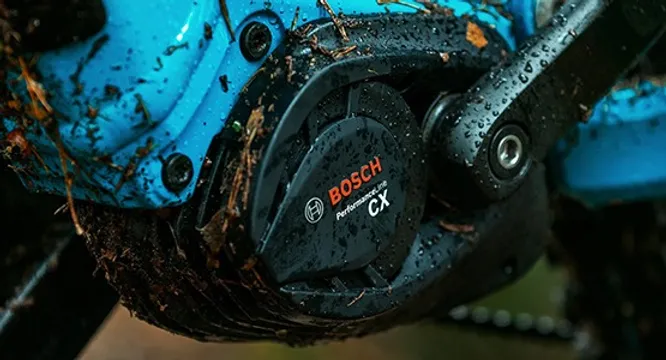
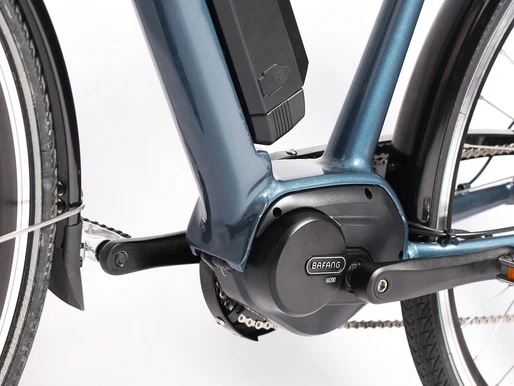
The troubleshooting steps here apply to modern electric bikes commonly sold in North America between roughly 2018 and 2026, including systems from Bosch, Bafang, Shimano, and similar platforms. Keep your owner’s manual nearby for model-specific details. Diagnosing e-bike faults starts with checking the power source and progresses outward to the wiring and sensors, and that’s the approach we follow below.
Before touching any electrical components, always turn the bike off and remove the battery. Safety checks are critical before working on e-bike electrical components to prevent accidents. This guide covers everything from an electric bike not working at all to annoying performance issues like an ebike chain slipping under load or brakes rubbing.
Problem 1: E-Bike Won’t Turn On (No Power at All)
You press the power switch, and nothing happens – dead display panel, no lights, no motor assist. Before assuming the worst, know that roughly 80% of “dead bike” calls end up being a loose or marginal electrical connection, not a dead motor or controller.
What you’ll notice: No response from the display unit, no indicator light, no sound at all. The battery may look seated, but it isn’t fully locked.
Likely causes: Switched-off battery, a fully discharged pack, a charger that isn’t actually delivering power, dirty battery connections, or a blown fuse.
DIY checks:
- Confirm the wall outlet works with another device.
- Verify the charger’s indicator light behaves normally when plugged in.
- Remove and reseat the ebike battery firmly until it clicks – make sure it’s properly secured.
- Inspect battery terminals for dirt or corrosion, which can affect power delivery. Clean contact points with a dry cloth.
- A multimeter can test battery voltage and connections – compare the reading to your pack’s rated voltage (typically 36V or 48V).
Inspect the battery for swelling or damage regularly. Never open the battery case – that risks safety and voids warranties.
When to stop: Any signs of a swollen case, burnt smell, melted plastic, or a battery that won’t wake after several hours on the correct charger. Bring the bike and charger to Crazy Lenny’s Service Center for battery testing and charging diagnostics.
Problem 2: E-Bike Turns On But Won’t Move
The display powers up, assist levels show, but the electric motor never engages – one of the most common electric bike issues riders report.
What you’ll notice: Speed reading stuck at zero, motor cutting out the moment you accelerate, no response from throttle or pedal assist.
Likely causes: Brake cut-off sensors stuck in the “on” position, a loose motor cable near the rear wheel or bottom bracket, or battery voltage that’s enough for the display but too low for motor power.
DIY checks:
- Pull each brake lever and watch for a brake icon on the control panel. If the icon stays on with the levers released, the brake sensor needs adjustment.
- Wiggle and firmly reconnect the main motor plug – check motor connections at both ends.
- Test at the lowest assist level with a fully charged battery.
- If the throttle works but pedal assist does not, the pedal assist sensor is likely the culprit (see Problem 5).
Note the exact ebike motor error code if one appears on the display before resetting.
When to stop: If both throttle and pedal assist fail after these checks, the ebike controller or motor itself may need professional diagnosis. Visit Crazy Lenny’s Service Center for controller and motor diagnostics using brand-specific tools.’
Problem 3: Battery Issues and Charging Problems
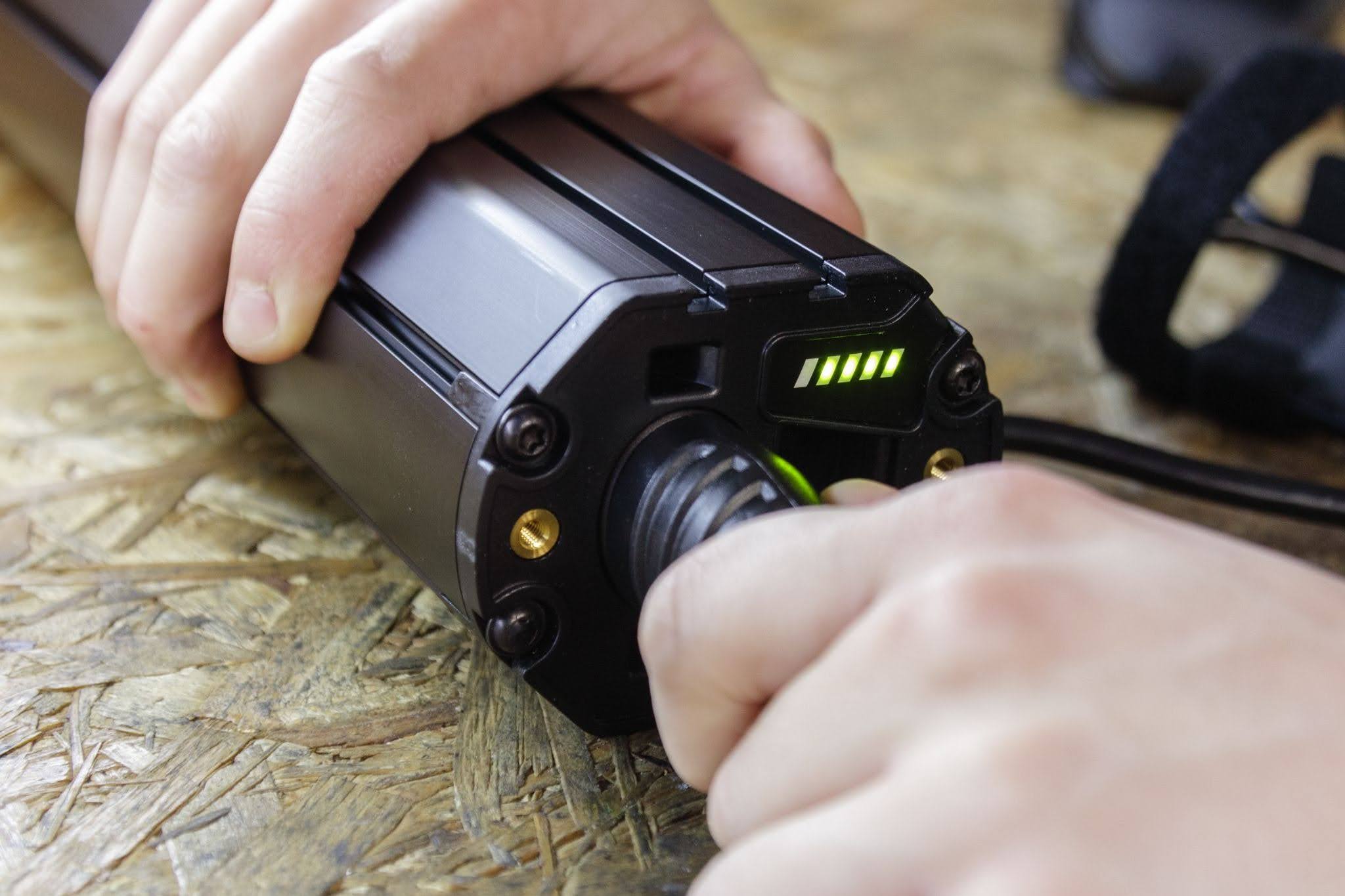
Battery issues are the number-one reason riders search for ebike troubleshooting help. Whether your ebike battery is not charging at all or your range suddenly drops, this section covers the main scenarios.
What you’ll notice: Charger light staying green (never turning red), battery LED not responding to the test button, or the bike shutting off under load despite the display showing remaining bars.
Likely causes: Worn-out cells after heavy commuting, storing the battery fully discharged over winter, damaged wires at the charging port, or using the wrong charger. Using the manufacturer-approved battery and charger is crucial for e-bike safety and performance. Ebike batteries may fail to charge due to loose connections at the port or inside the harness.
DIY checks:
- Confirm you’re using the original charger as your power source.
- Try a different household outlet.
- Inspect the charging port for bent pins or debris.
- Check battery connections for corrosion to ensure proper charging.
- Clean contacts with a dry cloth while the battery is removed.
Range loss tips: Before blaming the battery, check tire pressure, brake rub, and cargo weight. Lithium-ion batteries typically lose efficiency in extreme cold temperatures – cold weather can reduce range by 20–40% when temperatures drop below about 40°F. Most packs retain 70–80% capacity after roughly 500–1,000 charge cycles. Charge lithium-ion batteries every 3–6 months if unused to prevent deep discharge damage, and avoid frequent full-to-zero discharge cycles to preserve battery efficiency.
Do not open the battery case, bypass fuses, or solder internal connections. Short battery life or rapidly dropping battery voltage after a few seasons of use warrants a capacity test at Crazy Lenny’s professional service center.
Problem 4: Motor, Controller, and Error Codes
The ebike motor and ebike controller work together as the drive system brain. The controller processes inputs from the pedal assist sensor, throttle, brake levers, and speed sensor, then delivers the right amount of current to the bike’s motor. A faulty controller can prevent the motor from activating entirely.
What you’ll notice: Intermittent surging, motor cutting out under heavy load, the bike entering protection mode, or error codes appearing after a rainy ride on your display panel.
DIY checks:
- Power-cycle the bike: turn off, remove battery for 30–60 seconds, reseat, turn on.
- Ensure all display and drive system plugs are fully mated with their alignment arrows.
- Note the exact error codes before attempting resets – most systems from Bosch, Bafang, and Shimano use codes to flag sensor faults, overheat conditions, or motor malfunctions.
Consult your owner’s manual or brand app to understand what the specific code means, but don’t clear codes repeatedly if the same fault keeps returning. Riders can visually inspect harnesses for crushed or pinched sections and gently clean dirty exterior connectors, but deeper controller diagnostics and firmware updates require shop equipment.
For persistent error codes or power cut-outs under normal riding, bring the bike to Crazy Lenny’s Service Center for a professional diagnostic scan.
Problem 5: Pedal Assist Sensor and Throttle Problems
The pedal assist system tells the motor when you’re pedaling. When the pedal assist sensor fails, your electric bicycle feels like a very heavy traditional bike.
What you’ll notice: Motor does nothing while pedaling but responds to throttle, assist cutting in and out each crank rotation, or unexpected surging. Pedal assist issues may stem from power supply inconsistencies or physical sensor faults.
Common causes: A misaligned magnet ring near the front chainring, mud or salt packed around the sensor, or a cable pulled loose during transport. The sensor uses a ring of magnets and a Hall effect detector – if the gap between them grows too large, the system misreads your pedaling.
DIY checks:
- With the bike off and battery removed, confirm the sensor and magnet ring are close and properly aligned.
- Push the ring back into position if it has slid.
- Clean heavy dirt with a soft brush.
Throttle issues often arise from overuse or damage – cracked housings from a fall or a loose bar-mounted connection. To test: turn the bike on, set assist to a low level, safely elevate the rear wheel, and gently apply the throttle while watching for wheel spin.
If problems continue after visual and basic function checks, do not splice or rewire control cables. Bring the bike to Crazy Lenny’s professional service center for sensor replacement.
Problem 6: Brake Issues – Rubbing, Weak Power, or Noisy Stops
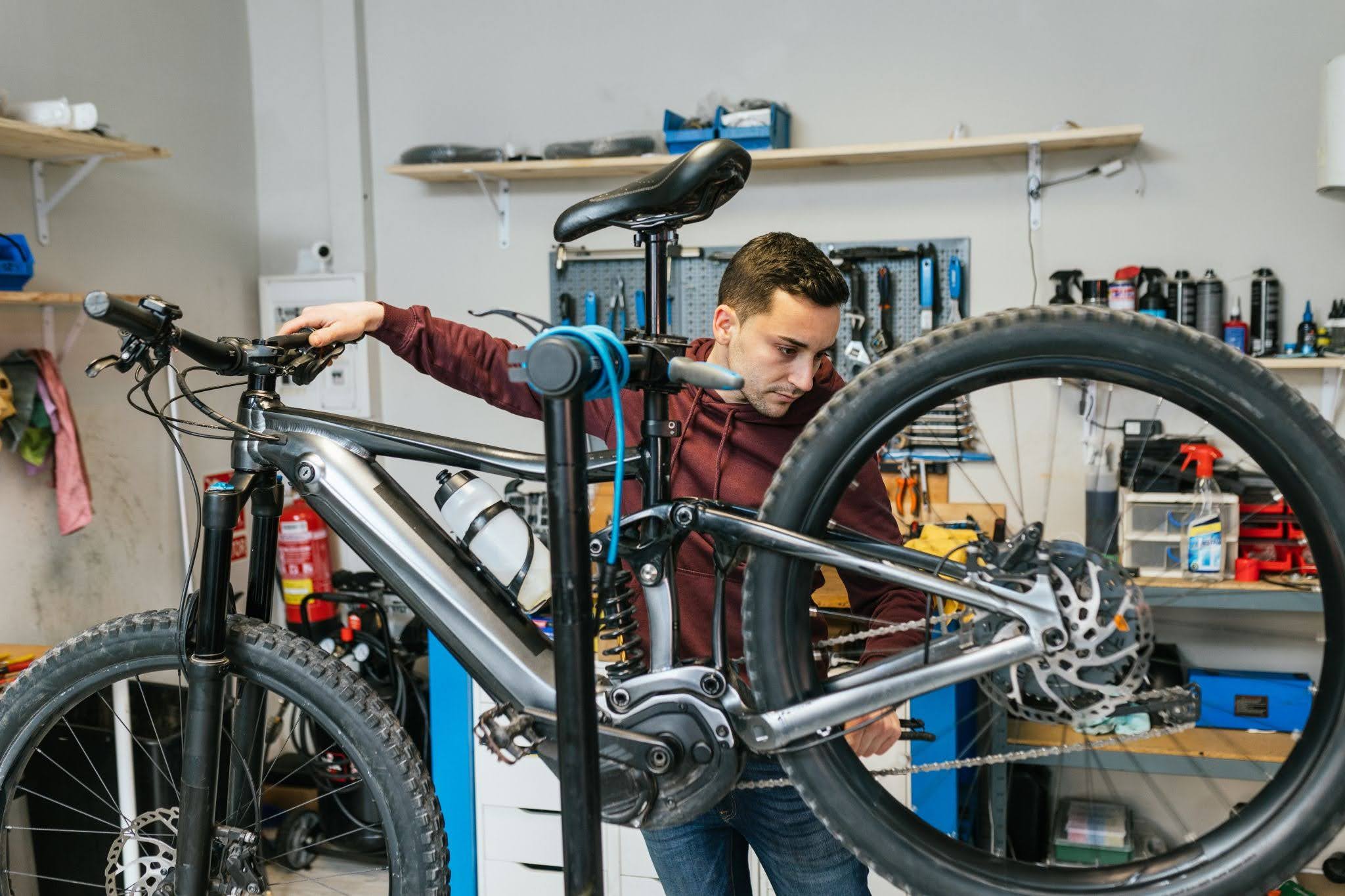
Reliable brakes are safety-critical on any mechanical device, but especially on electric bikes, where increased weight and speed accelerate wear. Regular maintenance of e-bike brakes is essential. Knowing how to fix ebike brakes starts with identifying what type you have: mechanical disc, hydraulic disc, or rim brakes.
What you’ll notice: Squealing, grinding, the bike pulling to one side, brake levers coming too close to the handlebars, or grabby on/off braking. Ebike brakes can malfunction due to worn pads or misalignment.
Mechanical disc DIY tasks:
- Check for misaligned brake calipers – loosen the caliper bolts, squeeze the lever to center it on the rotor, and retighten.
- Inspect brake pads for thickness to ensure safety – replace if worn past the wear indicator.
- Inspect brake cables for stretching to restore stopping power – adjust cable tension at the barrel adjuster.
- Check that brake discs are straight by spinning the wheel slowly.
Hydraulic brakes are much less DIY-friendly. Air in lines, fluid leaks, or sticky pistons require bleed kits, correct manufacturer fluid, and training. Proper maintenance ensures safe braking performance on ebikes, but hydraulic bleeding is best left to professionals.
Any brake system that suddenly feels spongy, loses power on a steep hill, or shows leaking fluid should send you directly to Crazy Lenny’s Service Center for a full inspection.
Problem 7: Drivetrain Problems – Chain Slipping, Skipping, and Noise
Not all ebike troubleshooting is electrical. An ebike chain slipping under power is both annoying and potentially dangerous on busy commutes.
What you’ll notice: Chain skipping under hard pedaling, sudden lurches when shifting, loud clicking under motor power, or the chain dropping off entirely.
Likely causes: Stretched chain, worn cassette cogs, a mis-adjusted rear derailleur, or bent teeth. Powerful mid-drive motors place extra stress on chains and cassettes, so heavy commuters should expect more frequent drivetrain wear than on traditional bicycles.
DIY maintenance:
- Regularly clean and lubricate the bike chain to prevent issues – a dry chain accelerates wear and noise.
- Check for stiff links, visible rust, or excessive slack.
- Use the barrel adjuster to fine-tune gear indexing if shifts hesitate.
If you still experience chain skipping after cleaning and minor cable tweaks, book a drivetrain tune at Crazy Lenny’s professional service center. Regular drivetrain care is one of the easiest ways to prevent many common electric bike issues.
Problem 8: Wheels, Tires, and Ride Feel
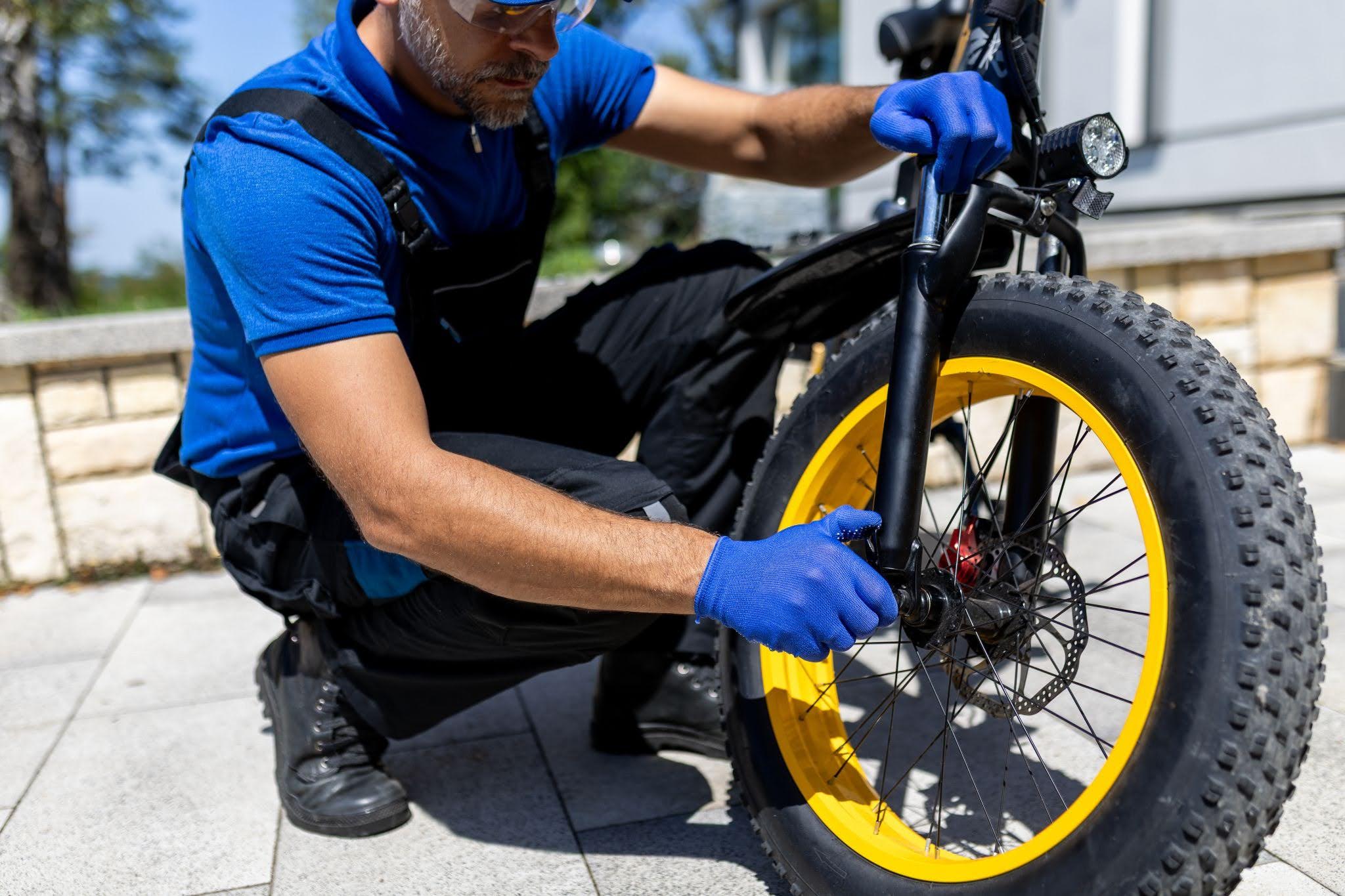
Many “electrical problems” reported in spring actually turn out to be wheel and tire issues – under-inflated tires or minor wheel wobbles that drain battery performance and trigger voltage sag.
What you’ll notice: Sluggish acceleration, poor range, harsh ride, bike pulling to one side, or visible wobble when spinning a wheel.
DIY checks:
- Inspect tires for embedded glass, cuts, or bulges. Consider puncture-resistant tires if you ride urban routes.
- Regularly check with a gauge and inflate to the sidewall’s recommended PSI. Low tire pressure increases rolling resistance and forces the motor to draw more current.
- Verify quick-release levers or thru-axles are tight.
- Check for loose spokes to prevent wheel wobbling – squeeze pairs together and listen for rattles.
- Use tire liners for extra flat protection on commuter routes.
Most riders can fix a front-wheel flat at home, but hub-motor rear wheels require careful handling of motor cables. Riders who are uncomfortable disconnecting wiring should bring the bike to Crazy Lenny’s Service Center for tube replacement, tire upgrades, and spoke tension checks.
Problem 9: Electrical System and Wiring Problems
Modern electric bikes rely on wiring systems connecting the battery, controller, display unit, motor, brake sensors, and lights. Loose or damaged wiring can cause motor failure and very strange intermittent behavior. Loose wiring can cause various ebike electrical issues that are hard to pin down.
What you’ll notice: Intermittent cut-outs over bumps, lights flickering, certain assist levels not working, or the display resetting when you hit a pothole.
Visual inspection steps:
- Turn the bike off and remove the battery.
- Trace each visible harness run with your fingers, checking that each plug is fully seated with secure connections.
- Look for scuffed or pinched cable sections near the head tube, under the downtube, or at the rear chainstays.
- Inspect wiring for frayed insulation to prevent short circuits – look for exposed copper or loose or damaged wires.
Electrical connections require regular checks to ensure functionality. Never cut into frame grommets or pull internal harnesses out – internal routing is delicate. A digital multimeter can confirm whether power is reaching accessories, but signal-line and CAN bus testing must be handled by trained technicians.
Riders with repeated intermittent faults, corroded connection points, or any burnt wiring smell should visit Crazy Lenny’s professional service center for harness repair.
Problem 10: Unusual Noises, Vibrations, and Creaks
Unusual noises are often the earliest warning signs. Not every squeak is electrical – many are simple mechanical components that a rider can address early.
Common noise types:
| Noise | When It Happens | Likely Source |
|---|---|---|
| Rhythmic clicking | While pedaling | Chain, pedal assist magnet ring, or pedals |
| Grinding | Under motor power | Debris in the hub motor or worn bearings |
| Squealing | When braking | Glazed brake pads or contaminated rotors |
| Creaking | Over bumps or standing | Seatpost, handlebar clamp, or rack bolts |
Quick at-home fixes: Tighten obvious loose bolts with the correct Allen keys, apply bike-specific chain lube to a dry chain, and ensure accessories like racks and fenders are properly secured. Isolate when the noise appears – only pedaling, only under motor power, only braking, or even bouncing the bike in place.
Internal motor grinding, loud clunks from the bottom bracket area, or persistent noises after a crash should not be ridden through. Bring the bike to Crazy Lenny’s Service Center for a deeper inspection. Catching noisy issues early often prevents bigger failures and keeps riders on their commuting route instead of being stuck in the bike shop.
Problem 11: Preventive Maintenance and When to Seek Professional Help
Many common electric bike issues never appear when riders follow a basic routine and know when to stop DIY. Regular maintenance extends your ebike’s lifespan significantly, and routine inspections can prevent major mechanical failures.
Simple maintenance checklist:
- Weekly (if riding in wet conditions): Chain lube, wipe down electrical components
- Monthly: Tire pressure check, brake pad inspection, battery charge level review
- Seasonally: Bolt checks, cable inspection, and check battery connections for corrosion regularly
- Annually: Full professional inspection – use a multimeter to check battery voltage regularly between visits
Pre-ride inspections should include checking tire pressure, battery charge, and brake performance. Regular cleaning prevents corrosion and protects ebike components from premature wear. After winter storage, each spring, focus on battery state of charge, tire sidewalls, and any cable fraying. Follow the manufacturer’s guidelines for storage and seasonal care.
E-bikes should not be ridden if there is visible damage to the battery, frame, or brakes. Clear indicators that it’s time to seek professional assistance include repeated error codes, any battery deformation, physical damage to the frame, wiring problems inside connectors, or crashes affecting the motor area.
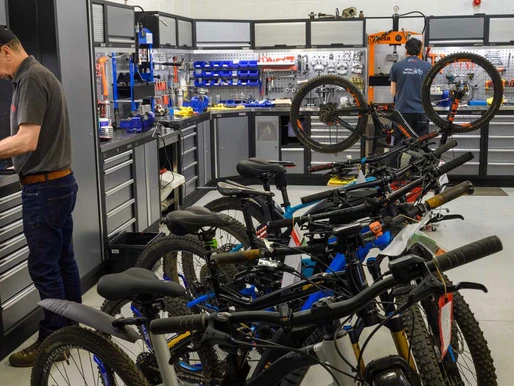
Crazy Lenny’s professional service center works on most ebike brands regardless of where they were purchased – diagnostics, tune-ups, flat repairs, and full safety checks with transparent pricing. Combine this guide with a yearly tune-up and explore Crazy Lenny’s FAQ or Free eBike Consultation for personalized advice before your next big riding season.

Frequently Asked Questions About E-Bike Troubleshooting
What should I do first when an error code appears on my e-bike display?
Note the exact code and any symbols, then safely pull over and power-cycle the bike – turn it off, remove the battery for 30–60 seconds, reinstall, and turn back on. Check for simple causes like loose external connectors, stuck brake levers, or obvious wiring issues before clearing codes again. If the same code returns or the bike won’t operate normally, consult your owner’s manual for that specific code and schedule a diagnostic at Crazy Lenny’s Service Center rather than continuing to ride with a warning active.
Can I fix a flat tire on my e-bike myself?
Many riders can handle front-wheel flats at home using standard tire levers, a new tube, and a pump. Rear flats on hub-motor bikes or eTrikes are trickier because of motor cables and heavier wheel assemblies – incorrect reassembly can cause wiring problems or brake misalignment. If you’re new to flat repairs or unsure about disconnecting motor cables, bring the bike to Crazy Lenny’s professional service center for a quick replacement.
What causes my e-bike chain to skip or jump under load?
Chain skipping is usually caused by wear in the chain and cassette, a mis-adjusted derailleur, or a dirty drivetrain – especially on high-torque mid-drive ebikes. Check for visible rust, stiff links, or excessive chain slack, then clean and lubricate before making small derailleur adjustments. If skipping only occurs in certain gears or the bike has several seasons of use, it’s likely time for new drivetrain parts to be installed at your local bike shop.
How do I know when a brake problem needs professional service?
Any sudden change in brake feel – the lever pulling all the way to the handlebar, a sharp loss of stopping power, or leaking fluid around hydraulic brakes – requires immediate professional help. You can safely check pad thickness, rotor cleanliness, and basic cable tension at home. But never attempt hydraulic bleeding or hose replacement without proper training and tools. If you feel unsafe stopping on hills or in traffic, stop riding and bring the bike in for a full brake inspection.
How often should I bring my e-bike in for professional troubleshooting or a tune-up?
Average riders should schedule a professional inspection at least once a year. Daily commuters or year-round riders should consider twice-yearly tune-ups to catch emerging problems while they’re still small. Early spring is an especially smart time to visit, so any battery issues, worn tires, and brake wear can be addressed before the main riding season. Use Crazy Lenny’s Free eBike Consultation to discuss your riding habits and determine the right service interval for your specific e-bike.
Does extreme heat affect my e-bike battery the same way cold does?
Yes. While cold temperatures temporarily reduce battery performance and range, extreme heat can cause permanent damage to lithium-ion cells by accelerating chemical degradation. Avoid leaving your ebike battery in direct sunlight or inside a hot car for extended periods. Store batteries in a cool, dry place between 50–77°F for optimal performance and longevity. If you notice sudden drops in battery performance during summer, have the pack tested for cell health at Crazy Lenny’s Service Center.