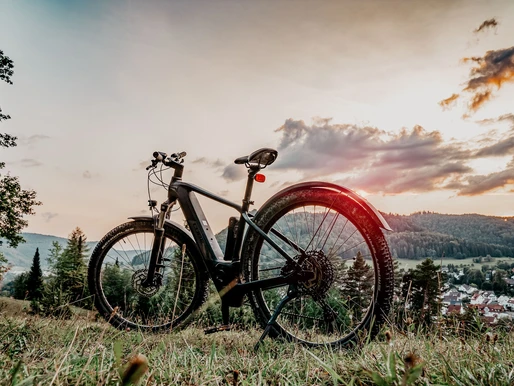

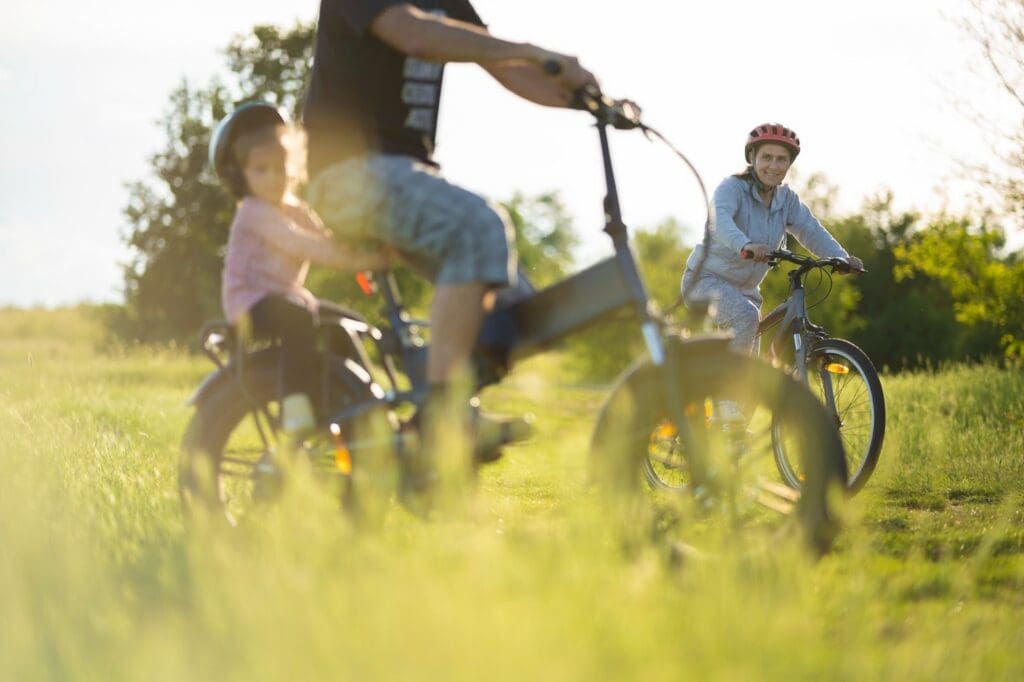
As more parents look for practical alternatives to cars, family electric bikes are becoming a go-to solution for transportation, recreation, and daily routines. Designed for carrying kids, hauling gear, and handling real-world conditions, today’s cargo-focused e-bikes make it easier than ever to replace short car trips with a reliable electric bike.
From school runs to grocery pickups, this guide explores why family electric bikes are so popular, how different cargo bike styles compare, and what features matter most when choosing the right ride for your household.
What Are Family Electric Bikes?
At their core, family electric bikes are built to safely handle passengers and gear while maintaining a comfortable ride. Unlike a standard electric bike, these bikes prioritize stability, durability, and a high weight capacity, making them ideal for parents who need to transport children or supplies.
Most family-focused models fall into the broader category of electric cargo bike designs, combining pedal assist with reinforced frames, larger racks, and stronger braking systems. Many modern family electric bikes use an aluminum frame for lightweight yet durable construction, making them easier to handle and manage without sacrificing strength. Compared to traditional cargo bikes, electric assistance makes riding with kids far more accessible for many riders. The bike’s weight and load capacity are important factors when selecting an electric cargo bike for family use. The weight capacity of electric cargo bikes can vary, with some models capable of carrying up to 200kg.
Benefits of Family Electric Bikes
Family electric bikes, including e-cargo bikes, are transforming how families approach daily life and transportation. With the ability to carry kids, haul groceries, and manage everyday errands, these bikes offer a practical alternative to driving—especially for school runs and short trips around town. Thanks to pedal assist and powerful mid-drive motors, riders can easily transport heavy loads and tackle steep hills without breaking a sweat, making family adventures more accessible and enjoyable.
Safety is a top priority, and many family electric bikes come equipped with essential features like front and rear lights, brake lights, and advanced hydraulic disc brakes. These safety features provide peace of mind, ensuring visibility and reliable stopping power even when carrying precious cargo. For many families, investing in an e-cargo bike means reducing reliance on a second vehicle, leading to significant cost savings and a smaller environmental footprint. Whether you’re navigating city streets or heading out for a weekend ride, family electric bikes make it easier to transport heavy loads and enjoy more quality time together.
Cargo Bike vs. Electric Cargo Bike: What’s the Difference?
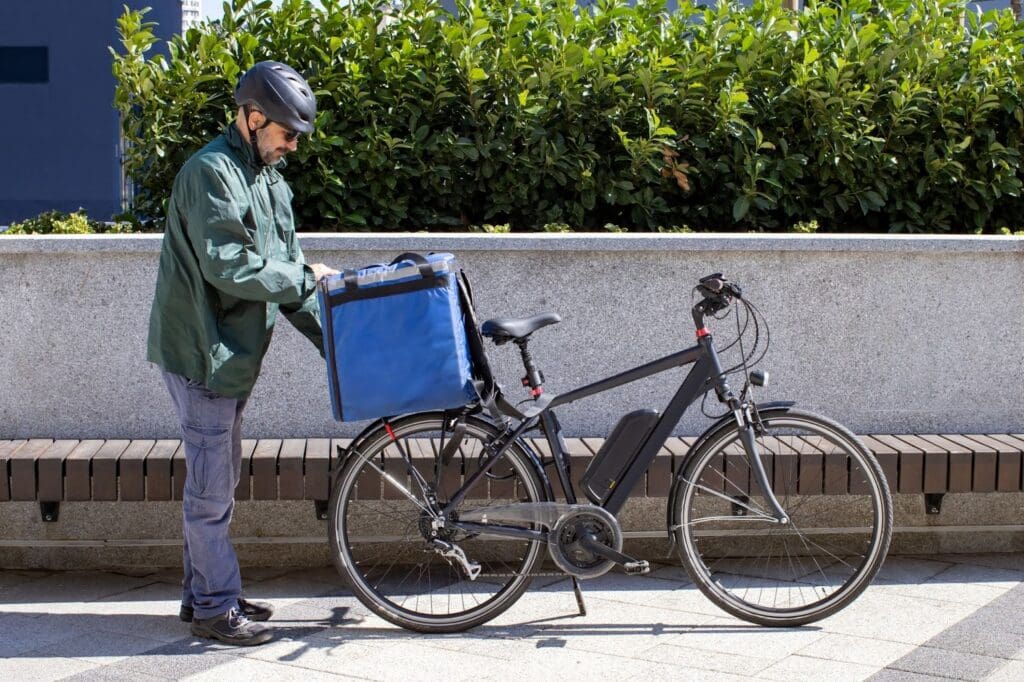
A traditional cargo bike relies entirely on leg power. While effective, these bikes can be difficult to manage when carrying cargo, climbing steep hills, or navigating city streets with heavy loads.
An electric cargo bike solves these challenges by adding motor support. Pedal assist reduces effort, improves control, and makes it easier to transport precious cargo, such as children or groceries. Electric cargo bikes offer more power, providing increased motor performance and torque, which makes it easier to handle heavy loads and challenging terrain. For many families, upgrading from non-electric models to cargo e-bikes is what makes biking a realistic daily option.
Electric cargo bikes are generally more expensive than their non-electric counterparts due to the added technology.
Popular Styles of Family Cargo Bikes
Longtail Cargo Bike Designs
A longtail cargo bike features an extended rear section designed for carrying kids or gear. The longtail cargo layout typically includes a sturdy rear rack, multiple child-seat mounting points, and space for panniers.
These bikes ride more like a standard city bike, offering:
- Better handling
- Easier storage
- Familiar ride experience
Many families prefer longtail models for school runs, short trips, and everyday errands.
Front-Load Cargo and E Cargo Bikes
Front-load e cargo bikes place storage or seating between the handlebars and front wheel. Many front-load cargo bikes can be equipped with a front rack, increasing their cargo capacity and versatility. These e-cargo designs are ideal for hauling kids, especially with multiple children.
Well-known examples include models like the Urban Arrow and options inspired by brands such as Ferla Family, which focus on enclosed seating, seat belts, and weather protection.
Many electric cargo bikes allow for the installation of child seats and other accessories to enhance safety and comfort for young passengers.
Carrying Kids Safely: Seats, Belts, and Capacity

Safety is the top priority when choosing a family cargo bike. Most family-oriented models support:
- At least one child seat
- A padded bike seat or bench
- Secure mounting systems
High-quality bikes also feature:
- Seat belts
- Strong carrying capacity
- Reinforced frames rated for high weight capacity
These features ensure stability when carrying children or transporting heavier items.
Key Features to Look For in Family Electric Bikes
Motor Type and Power Delivery
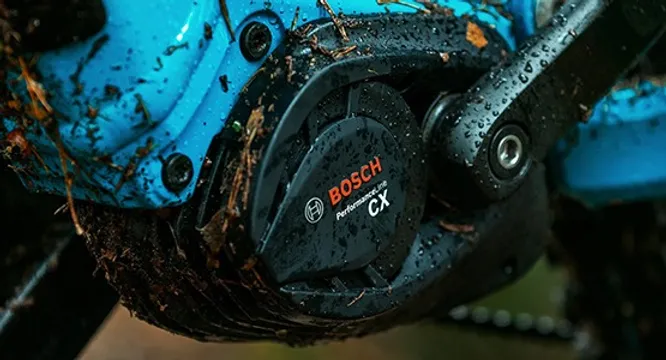
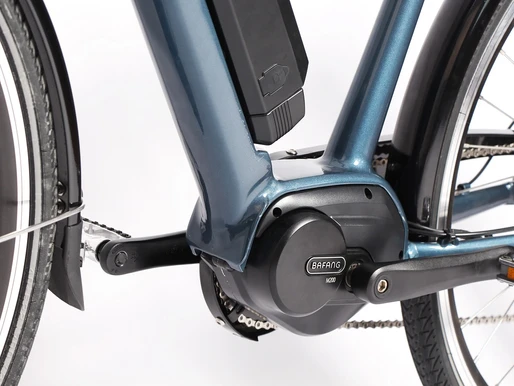
Motor placement matters. Many electric cargo bike models use a hub motor on the rear wheel, while others use a mid-drive system.
A bosch mid-drive motor offers:
- Increased torque
- Better balance
- Strong climbing ability
Families who ride on hills or with heavy loads often prefer mid-drive systems for their excellent performance.
Brakes, Safety, and Visibility
Stopping power is critical when transporting kids. Look for:
- Hydraulic brakes
- Hydraulic disc brakes
- Hydraulic disc systems with a consistent feel
Visibility matters too. Integrated front and rear lights, as well as brake lights, help keep riders visible in traffic and low-light conditions.
Comfort and Ride Quality
To avoid fatigue on longer rides, comfort-focused features are essential:
- Upright riding position
- Suspension fork for uneven pavement
- An optional suspension seatpost to smooth out a bumpy ride
These elements improve control on loose gravel, rough roads, and urban terrain.
Battery Capacity and Range
When choosing e-bikes for family use, battery size matters. Higher battery capacity supports:
- Frequent short trips
- Fully loaded family rides
- Multiple errands in one outing
Some premium models feature dual-battery setups, allowing riders to transport heavy loads without range anxiety.
Real-World Uses for Family Electric Bikes
Families use family electric bikes for more than recreation. Common scenarios include:
- Daily school runs
- Grocery shopping and cargo transportation
- Park visits and family adventures
- Replacing a second vehicle
For many city dwellers, a single electric bike becomes the most-used household vehicle.
Popular Brands and Notable Models
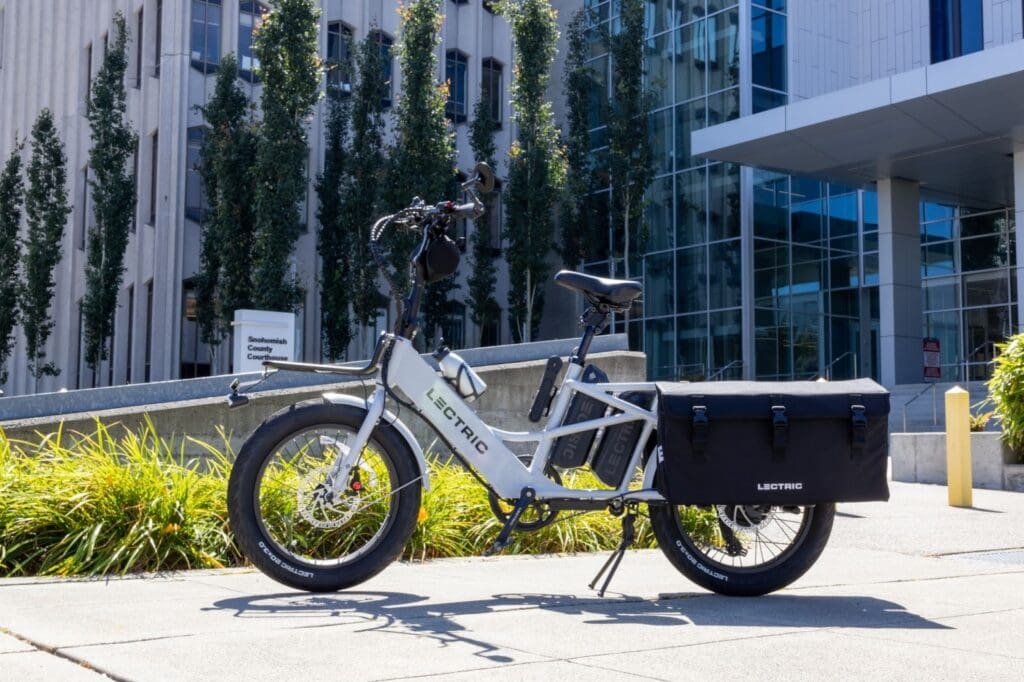
Several manufacturers have become well-known in the cargo e-space. Brands like Rad Power Bikes have expanded interest in accessible cargo e-bikes, while premium models such as the Specialized Globe Haul ST and Globe Haul ST focus on power, stability, and refined design.
These types of bikes appeal to many riders seeking durability, comfort, and versatility beyond other bikes.
Testing and Choosing the Right Bike
Before buying, a test ride is essential. Pay attention to:
- Balance with two wheels
- Ease of mounting a child seat
- Handling while carrying cargo
- Comfort during a fun ride
Trying other cargo bikes side by side helps highlight what works best for your family.
Maintenance and Repair
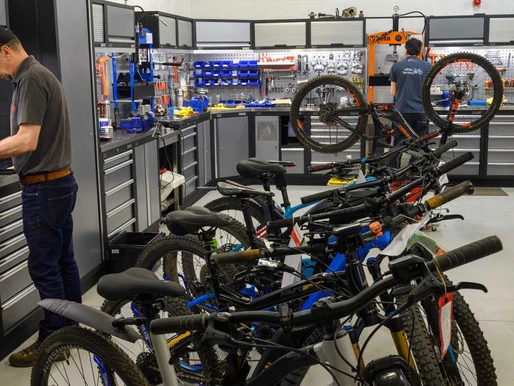
Keeping your family’s electric bike in top condition is key to ensuring safety, reliability, and long-term enjoyment. Regular maintenance starts with simple checks—monitoring tire pressure, inspecting brake pads, and keeping an eye on battery capacity to avoid unexpected issues. Cleaning your bike and lubricating the chain will help maintain smooth performance, especially after rides in wet or dusty conditions.
Brands like Rad Power Bikes and Ferla Family make it easy for families to stay on top of maintenance, offering dedicated service centers, online tutorials, and helpful resources. Many owners also choose to enhance their bikes with accessories such as fenders, rear racks, and child seats, which not only boost functionality but also enhance safety. By following a consistent maintenance schedule and addressing any concerns promptly, families can ensure their electric bike remains a reliable companion for years of school runs, family outings, and everyday errands.
Accessories and Customization
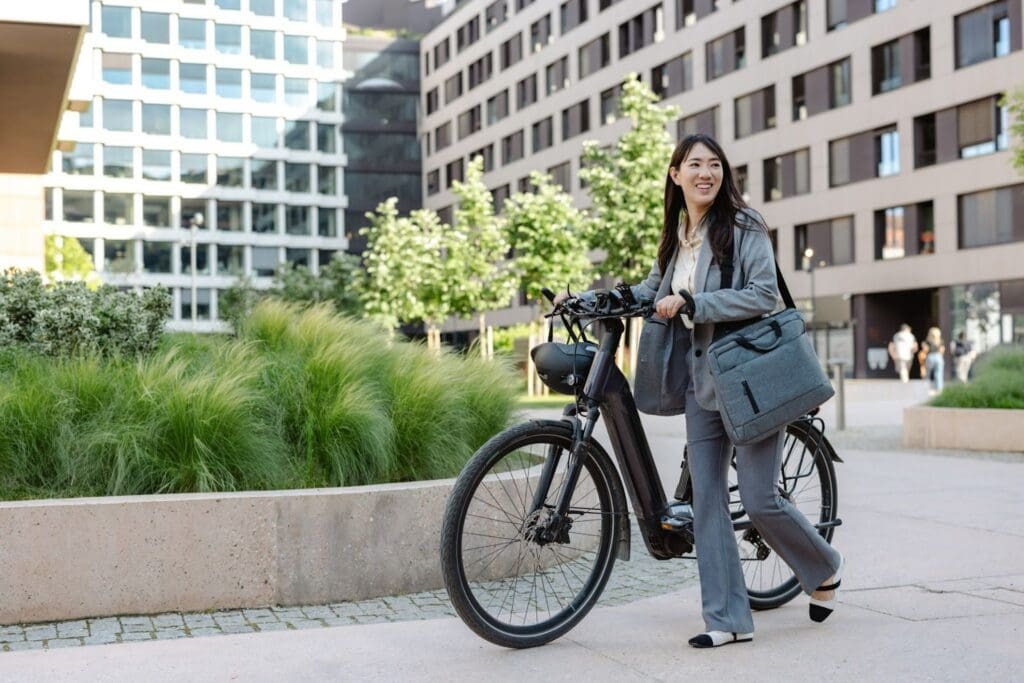
One of the greatest strengths of a family electric bike is its adaptability. With a wide range of accessories available, families can customize their electric bike to perfectly suit their needs—whether that means adding a child seat for school drop-offs, a cargo basket for grocery runs, or a rear rack for extra storage space. Many electric bikes come ready to accept upgrades such as front and rear lights, brake lights, and hydraulic disc brakes, enhancing safety and convenience on every ride.
Popular models such as the Specialized Globe Haul ST and Urban Arrow stand out for their high weight capacity, powerful motor, and excellent performance, making them ideal choices for families who need to carry more or travel farther. By selecting the right combination of accessories—like a sturdy rear rack, extra lighting, or a comfortable child seat—families can create a bike that’s perfectly tailored for everyday errands and family adventures. Customization not only increases carrying capacity and safety features but also ensures every ride is comfortable, practical, and fun for everyone on board.
Final Thoughts: Why Family Electric Bikes Make Sense
With strong safety features, impressive weight capacity, and the ability to handle daily demands, family electric bikes are no longer niche products. Whether you choose a longtail cargo bike, a front-load electric cargo bike, or another family cargo bike design, these bikes make life simpler, healthier, and more enjoyable.
For families looking to reduce car use, manage everyday errands, and enjoy more time outdoors together, investing in a well-built electric bike can be a transformative decision.

FAQ: Family Electric Bikes
1. Are family electric bikes safe for carrying children?
Yes, when properly equipped and used. Quality family electric bikes are specifically designed with safety as a top priority. They feature reinforced frames with high weight capacity, secure child seats with seat belts, hydraulic disc brakes for reliable stopping power, and front and rear lights for visibility. Look for bikes with an upright riding position for better control, a stable two-wheel design, and models from reputable brands like Rad Power Bikes, Specialized Globe Haul ST, or Urban Arrow. Always ensure child seats are properly installed, use seat belts, and choose bikes with a weight capacity that accommodates your needs. A test ride before purchasing helps you evaluate balance and handling with passengers on board.
2. How much do family electric bikes cost, and are they worth it?
Family electric bikes typically range from $2,000 to $6,000+, depending on features, brand, and cargo capacity. While the upfront cost is significant, many families find them worth the investment. They can replace a second vehicle, saving thousands annually on car payments, insurance, fuel, and parking. The cost savings add up quickly when using your e-bike for school runs, grocery shopping, and daily errands. Beyond finances, families gain health benefits from increased activity, reduced environmental impact, and more quality time together. For city dwellers, especially, a well-built electric cargo bike often becomes the most-used household vehicle, making it a practical and transformative purchase.
3. What’s the difference between longtail and front-load cargo bikes, and which is better for my family?
Longtail cargo bikes have an extended rear section and ride more like a standard city bike, offering familiar handling, easier storage, and better maneuverability. They’re ideal for one or two kids and everyday errands. Front-load e-cargo bikes place seating between the handlebars and front wheel, accommodating multiple children in an enclosed box with weather protection. They’re popular for families with young kids who want face-to-face interaction during rides. Longtails excel at versatility and storage ease, while front-loaders prioritize passenger comfort and capacity. The best choice depends on how many kids you’re carrying, your storage space, and whether you prefer traditional bike handling or maximum child-carrying features. Always take a test ride of both styles.
4. How far can I ride with kids and cargo before the battery runs out?
Battery range varies by model, terrain, load weight, and pedal assist level, but most family electric bikes can travel 20-50 miles on a single charge. Real-world range with heavy loads (kids plus cargo) typically falls in the 25-35 mile range, which is more than enough for most daily activities like school runs, errands, and park visits. Higher battery capacity models and dual battery setups extend this significantly. The mid-drive motor systems, like a Bosch mid-drive motor, offer increased torque and excellent performance on hills while maximizing battery efficiency. For families doing frequent short trips throughout the day, battery capacity is rarely an issue. Charging overnight keeps you ready for the next day’s adventures.
5. Can a family electric bike really replace a car for daily use?
For many families, yes—especially for short trips and urban living. Most car trips are under five miles, making them perfect candidates for an electric cargo bike. Family e-bikes excel at school runs, grocery shopping (with cargo baskets and rear racks), park visits, and commuting. They help you avoid traffic, parking hassles, and vehicle expenses while keeping kids engaged and families active. However, they work best as a complement to, rather than a complete replacement of, a car. Weather, longer distances, and certain cargo needs may still require a vehicle. That said, many families find that their electric bike becomes their primary transportation choice, significantly reducing reliance on a second vehicle and transforming how they experience their community together.