
If you’ve been thinking about ditching the car for your daily commute — or upgrading from a regular bike to something with a little extra push — you’re in the right place. Commuter eBikes have exploded in popularity over the past few years, and for good reason: they make the daily grind genuinely enjoyable. No sweat, no parking, no traffic. Just you, the road, and a motor that has your back on the hills.
But with so many options out there, “best commuter eBike” means something different for everyone. The best commuter bike for a UW Madison student navigating campus is not the same as the best option for a professional riding 15 miles each way across Madison. This guide helps you figure out what actually matters for your commute — so when you walk into the store, you know exactly what you’re looking for.
And if you’d rather skip the research entirely? Stop by Crazy Lenny’s eBikes at 6017 Odana Rd. We’ll ask you the right questions and point you straight to the bikes that fit your life.
Introduction to eBikes
eBikes, short for electric bicycles, are transforming the way people approach their daily commute. By combining the classic appeal of cycling with the convenience of electric assistance, eBikes offer a practical solution for navigating busy city streets or longer suburban routes. Whether you’re drawn to a hybrid bike for its versatility and upright riding position, or you prefer the nimble feel of a lightweight commuter bike with a sturdy aluminum frame, there’s an eBike designed to fit your lifestyle. In addition to sleek hybrid bikes, road bikes and city bike models are also excellent choices for urban commuting, offering efficiency on paved surfaces and comfort for everyday rides. The range includes lightweight city bike options and adult bikes, ensuring suitability for different riders and preferences. For those seeking high performance or unique riding experiences, specialized performance bikes and other bike types—such as mountain or fitness bikes—are available to match various styles and needs. With top rated commuter bikes and class leading light weight designs, you can find highly reviewed, easy-to-handle options that make your ride to work or school smoother, faster, and more enjoyable.
What Makes an eBike with an Upright Riding Position a Great Commuter?

Not every eBike is built for commuting. Trail bikes, fat tire bikes, and cargo bikes all have their place — but a true commuter eBike designed for urban mobility is optimized for getting you from A to B comfortably, reliably, and without arriving at work looking like you ran a marathon.
Here’s what separates a great commuter eBike from the rest:
- Integrated lighting. Commuters ride in all conditions, including early mornings and late evenings. Built-in front and rear lights — powered by the bike’s battery — are a huge quality-of-life upgrade over clip-on lights you’ll inevitably forget to charge.
- Fenders. Madison streets don’t stay dry. Fenders keep road spray off your clothes and your face. On a commuter eBike, they’re not optional — they’re essential.
- A rack or cargo mounts. You need somewhere to put your bag, laptop, or groceries. Look for a rear rack or at minimum the mounts to add one. It’s important to look for mounting points for racks and fenders on commuter bikes, as integrated mounts allow for easy customization and practicality for daily use.
- Frame material. A lightweight aluminum frame with mounts for a rack and fenders is essential for a commuter bike, providing versatility for carrying cargo. Aluminum frames are popular for being lightweight and weather-resistant. A stylish frame not only adds visual appeal but also reflects modern design quality, making your commuter bike both functional and fashionable.
- Upright riding position. Commuter eBikes put you in a comfortable, upright posture — you can see traffic, arrive without a backache, and look like a human being when you get to the office. Choosing a bike with a comfortable geometry, such as a confident upright positioning offer, can reduce fatigue and enhance the commuting experience. A comfortable saddle and ergonomic grips are also important features to enhance comfort during rides.
- Handlebars. Flat bars are a common feature on commuter bikes, offering stability, control, and an upright riding position that’s ideal for city commuting and diverse terrains. For added ergonomic benefits, look for short reach brake levers, which make braking easier and more comfortable, especially for riders with smaller hands or those who prefer a specific riding position.
- Reliable, low-maintenance drivetrain. You’re riding this bike five days a week. You don’t want to be fussing with a complex drivetrain constantly. Internal gear hubs, internal shift cable systems, and quality derailleurs with minimal upkeep are your friends. Internal shift cables are protected within the frame, enhancing durability and reducing maintenance. Look for smooth and decisive shifting, which ensures precise, reliable, and effortless gear changes for comfort and control across various terrains. A commuter bike should ideally have a wide range of gears to handle different terrains and inclines effectively. Exceptional pedaling efficiency and trouble free drivetrain longevity are key attributes, ensuring your ride remains smooth and dependable over time.
- Brakes. A bike with capable powerful disc brakes is recommended for commuting as they provide reliable stopping power in various weather conditions. Clean internal cable routing not only improves aesthetics but also reduces cable wear and simplifies maintenance.
- Tires. Look for smooth tires and confidence inspiring tires that offer stability, comfort, and reliable handling across city streets and mixed terrain. These features help ensure a stable, comfortable, and reassuring ride quality, no matter the conditions.
- Pedals. Flat pedals are a versatile choice for commuter bikes, offering simplicity and control for various riding styles. Many riders recommend flat pedals for their ease of use and adaptability, making them a practical upgrade for daily commuting.
- Only the attributes that matter most: focus on comfort, reliability, versatility, and essential technical specifications to ensure your commuter bike meets your daily needs without unnecessary complexity.
- Range that covers your route with headroom. More on this below — but as a rule, you want a battery that can handle your daily round trip with at least 30–40% charge to spare.
How Far Are You Actually Riding?
Before you get lost in specs, it also helps to understand practical advice on eBike buying and ownership, from when not to buy online to how to care for your battery.
Range is one of the most misunderstood specs in eBike shopping. Manufacturers advertise optimistic range figures — sometimes 60 or 70 miles — that assume flat terrain, a lightweight rider, low assist levels, and ideal temperatures. Real-world commuting range is typically 30–50% lower than the headline number.
For most Madison commuters, this isn’t a dealbreaker — most daily commutes fall well within what a quality commuter eBike can handle. But here’s the calculation worth doing before you buy:
- Short commute (under 10 miles round trip): Almost any commuter eBike will handle this comfortably. A 400Wh battery is plenty.
- Medium commute (10–25 miles round trip): Look for a 500–600Wh battery. You’ll have enough range for the ride plus daily life errands without stressing about charging.
- Longer commute (25+ miles round trip): Prioritize a 600–750Wh battery, and make sure you have a place to charge at your destination if needed.
One underrated tip: find out if you can charge at work. If you can plug in during the day, your effective range doubles — and you can buy a bike with a smaller, lighter battery without worrying.

Class 1, 2, or 3 — Which Is Right for a Commuter?
eBike classes determine how the motor assists you and how fast it will go. For commuters, this matters both for your riding experience and for where you’re legally allowed to ride.
Class 1 (pedal assist only, up to 20 mph) is allowed on virtually every bike path, trail, and road in Wisconsin. If your route takes you on the Capitol City Trail, the Military Ridge Trail, or any of Madison’s shared-use paths, a Class 1 bike gives you the most flexibility.
Class 2 (pedal assist plus throttle, up to 20 mph) adds a throttle — useful for starting from a stop in traffic, or giving your legs a break on a long flat stretch. Most paths that allow Class 1 also allow Class 2, but it’s worth double-checking your specific route.
Class 3 (pedal assist up to 28 mph) is the speed demon of commuter eBikes. If you’re riding in traffic on city streets and want to keep pace with cars, Class 3 is a genuine game-changer. The trade-off is that Class 3 bikes are restricted from some shared paths and trails — road and protected bike lane commutes are where they shine.
For most Madison commuters, Class 1 or Class 2 hits the sweet spot. Class 3 is worth considering if your route is primarily on roads and speed matters to you.
Step-Thru vs. Step-Over Frame: Which Hybrid Bike Should You Choose?
This is a more important decision than most people expect, and it has nothing to do with gender — it’s purely about fit, comfort, and how you use the bike.
Step-over frames (the traditional diamond shape) are more rigid and slightly lighter. If you’re young, flexible, and throwing a leg over a bike is no big deal, a step-over frame is perfectly fine. For those who plan to tackle mixed terrain or occasional off-road paths, a trail savvy frame offers added durability and control.
Step-thru frames have a low or absent top tube, making it easy to mount and dismount without swinging your leg high. They’re ideal if you’re commuting in work clothes, have any hip or knee limitations, or simply find it more comfortable. Many of the best commuter eBikes on the market today come in step-thru designs precisely because of how practical they are for everyday use. This design often provides a confident upright positioning for riders, enhancing comfort and control. Bikes with upright hybrid style geometry further promote an ergonomic riding posture, boosting stability and rider confidence across city streets and leisure rides.
Frame geometry, including the shape and position of the seat tube, plays a key role in how easy it is to mount the bike, as well as in overall comfort and riding position. The integration of the seat tube with other frame elements affects both frame stiffness and the stability of your ride. For many riders, a stylish frame is also an important consideration, blending visual appeal with functional design.
If you’re on the fence, try both in person. A few minutes on each frame style will tell you more than any spec sheet.
Folding and Compact Bikes: Solutions for Urban Commuters

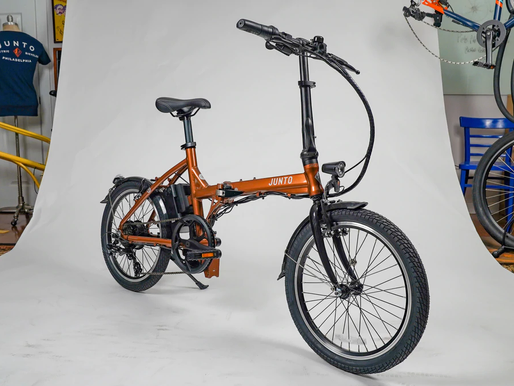
Folding and compact bikes are a game-changer for city dwellers who need flexibility and convenience in their daily commute. These bikes are designed to be lightweight and easy to fold, making them perfect for riders who combine cycling with public transit or need to stash their bike in a small apartment or office. Many folding bikes feature an upright riding position for comfort and visibility in traffic, while disc brakes provide reliable stopping power in all weather conditions. Models like the Brompton P Line stand out with their innovative titanium rear triangle and ultra-compact fold, making them easy to carry and store just about anywhere. If you’re looking for a more budget-friendly option, the Decathlon Elops 500 City offers a durable steel frame and practical features like a flip-flop hub for simple gear changes. When shopping for folding bikes, consider the overall weight, how quickly and easily the bike folds, and whether it comes with integrated accessories like racks or fenders. With the right folding or compact bike, you can enjoy a smooth, efficient ride and never worry about finding a parking spot again.
Cargo and Utility eBikes: Carrying More on Your Commute
If your commute involves hauling groceries, work gear, or even kids, cargo and utility eBikes are built to handle the load. These bikes feature sturdy frames—often made from lightweight aluminum or steel—and are equipped with powerful motors to help you carry extra weight without breaking a sweat. Disc brakes are standard on most cargo eBikes, ensuring you have reliable stopping power even when fully loaded. Popular models like the Tern GSD S10 combine a lightweight aluminum frame with a robust Bosch motor and a suite of accessories, including racks and fenders, to make carrying cargo easy and safe. For those seeking a more affordable steel bike, the RadWagon offers a strong frame and a powerful motor at a budget-friendly price point. When choosing a cargo or utility eBike, pay attention to payload capacity, motor strength, and the availability of accessories like racks, baskets, and trailers. With the right setup, you can transform your daily commute into a practical, efficient, and even fun way to transport everything you need.
Road Conditions: Navigating Your Daily Route
The condition of your daily route can make a big difference in your commuting experience, especially if you’re dealing with rough roads, mixed surfaces, or the occasional trail. Hybrid bikes are a top choice for these scenarios, thanks to their upright riding position, which gives you a clear view of traffic and obstacles, and their disc brakes, which deliver reliable stopping power in all conditions. Bikes like the Giant Roam feature a lightweight ALUXX aluminum frame, a suspension fork for absorbing bumps, and powerful hydraulic disc brakes for confident control on uneven surfaces. If you prefer the classic feel of a serious steel bike, the Preamble offers a double-butted steel frame that’s both durable and comfortable, with the option to add racks and fenders for extra utility. For those who want to tackle even rougher roads or gravel paths, a gravel bike like the Van Rysel GRVL AF 2—with its lightweight aluminum frame, carbon fork, and powerful disc brakes—delivers a smooth and efficient ride quality across varied terrain. When choosing your commuter, consider tire width for added comfort, suspension for shock absorption, and braking systems that inspire confidence no matter where your route takes you.
Safety Features Every Commuter Should Consider
When choosing an eBike for your daily commute, safety should always come first. One of the most important features to look for is the braking system. Disc brakes are highly recommended for their reliable stopping power, especially in unpredictable weather conditions. They outperform rim brakes, particularly on wet or slippery roads, giving you the confidence to ride year-round. If you’re considering a steel bike, you’ll benefit from its natural stability and durability, which can contribute to a more confident ride. Many commuter eBikes also come equipped with integrated lights and reflectors to boost your visibility in traffic, as well as fenders to keep you protected from road spray. While rim brakes can still be found on some models and offer adequate performance for lighter use, disc brakes remain the top choice for most commuters seeking peace of mind on busy streets.
What About Commuting in Wisconsin Weather?
Here’s something out-of-state eBike guides won’t tell you: Wisconsin commuting means commuting in real weather. Rain in spring, humidity in summer, and — for the committed riders — cold and snow in winter.
A few things to keep in mind:
For year-round commuting, look for a bike with an integrated battery (built into the frame rather than mounted externally). Integrated batteries are better protected from the elements and look cleaner.
Cold weather reduces battery range. Lithium-ion batteries perform noticeably worse in temperatures below 40°F. If you’re commuting through a Wisconsin winter, either store the bike indoors (which helps significantly) or plan for reduced range and charge accordingly.
Wet roads are a constant. Beyond fenders, look for hydraulic disc brakes — they stop reliably in wet conditions in a way that rim brakes simply don’t, and you can even pair them with our winter storage and tune-up package to keep performance consistent through the seasons. On a commuter eBike, hydraulic disc brakes aren’t a luxury, they’re a safety feature.
Fat tire commuters exist. If you’re serious about year-round riding — including snow — a fat tire eBike with studded tires is a legitimate commuting option and one we’d love to talk through with you at the store.
The Total Cost of Commuting by eBike with Disc Brakes
One of the most compelling arguments for a commuter eBike is the math. The average American spends over $10,000 a year on car ownership — insurance, gas, maintenance, depreciation. Even replacing a fraction of your car trips with an eBike commute adds up fast.
The rough numbers for eBike commuting:
- Electricity cost: Charging an eBike battery costs roughly $0.10–0.20 per full charge. Even daily charging runs under $75 a year.
- Maintenance: Far less than a car. Brake pads, tires, and the occasional drivetrain service are the main costs.
- Parking: $0. Every day.
A quality commuter eBike in the $1,500–$3,000 range typically pays for itself within a year for someone replacing regular car trips. For UW Madison students, a commuter eBike often pays for itself even faster compared to bus passes, rideshares, and the headache of campus parking.
Health and Environmental Benefits of eBike Commuting
Switching to an eBike for your commute isn’t just good for your wallet—it’s great for your health and the planet, too. Regular cycling, even with electric assistance, helps improve cardiovascular fitness, boosts your mood, and increases your overall energy. eBikes make it easier for riders of all fitness levels to enjoy these benefits, since you can adjust the level of assistance to match your needs. On the environmental side, eBikes produce zero emissions, making them a cleaner alternative to cars and public transit. Choosing an electric bike over a traditional vehicle helps reduce air pollution and your personal carbon footprint. Plus, with options ranging from electric and standard bikes to more affordable steel bikes, there’s a commuter solution for every budget. Whether you opt for a classic steel bike or a modern electric model, you’re making a positive impact on both your health and the environment.
New, Demo, or Used Lightweight Commuter Bike — What’s the Right Entry Point?

Not everyone needs to buy a brand-new commuter eBike to get a great experience. At Crazy Lenny’s, we carry staff-tested demo electric bike models and used inventory at reduced prices — and every bike we sell comes with a 90-day personal warranty regardless of whether it’s new or pre-owned, reflecting our commitment to quality eBikes and customer satisfaction.
For first-time commuter eBike buyers who want to test the lifestyle before committing to a higher price point, a demo or used commuter bike is often the smartest move, especially with our range of new, demo, and rental eBike options. You get a professionally inspected bike at a lower price, with real support behind it.
If you end up loving it — which you will — you’ll know exactly what you want when you’re ready to upgrade.
Must-Have Commuter eBike Accessories
Outfitting your eBike with the right accessories can make your daily commute smoother and more enjoyable. A rear rack is a must-have for carrying your work bag, groceries, or other essentials, and integrated rack mounts make it easy to add or remove storage solutions as your needs change. For a confident ride in all conditions, look for tires designed to inspire trust—some feature proprietary Gripton rubber compounds for enhanced grip and control on a variety of surfaces. Advanced options like Giant EasyRide tubeless tires and the Giant EasyRide Tubeless system further improve comfort, durability, and reduce the risk of flats, making them ideal for versatile commuting and cycling adventures. Don’t forget about comfort: a supportive saddle and ergonomic grips can make a big difference on longer rides. If you often ride in low-light conditions, additional lights and reflectors are smart upgrades to boost your visibility. With the right combination of accessories, you can customize your eBike to perfectly match your commuting style and needs.
Maintenance and Repair: Keeping Your Commuter eBike Rolling
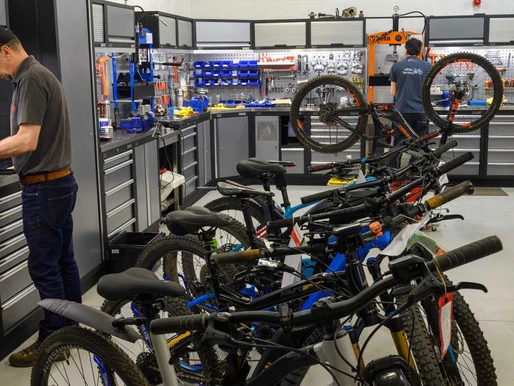
Keeping your eBike in top shape is essential for a hassle-free commute. Regular maintenance tasks—like checking tire pressure, lubricating the chain, and inspecting your brakes and gears—help ensure your bike runs smoothly day after day, and following a dedicated electric bike maintenance guide can make these routines even easier. Choosing bikes equipped with reliable Shimano components can further reduce maintenance needs, thanks to their durability, smooth shifting, and consistent performance. Many modern commuter bikes are designed for trouble free drivetrain longevity, minimizing upkeep and ensuring dependable shifting over time. If you’re riding a hybrid bike or a sleek hybrid bike designed for city use, these simple routines can extend the life of your components and keep your ride feeling fresh. For those who use their eBike as a trail-worthy daily rider, staying on top of maintenance is even more important to handle the extra demands of varied terrain. When inspecting your brakes, pay attention to brake hose routing, as proper routing improves brake performance, safety, and makes maintenance easier. When more complex issues arise, don’t hesitate to consult a professional mechanic. Many manufacturers also provide online resources and troubleshooting guides to help you address common problems, and our shop offers eBike repair services and support to keep your commuter running smoothly. With a little regular care, your eBike will remain a reliable companion for years of commuting and adventure, especially when paired with our comprehensive eBike service packages.
What to Do Before You Buy

If you’re planning your purchase, it helps to understand how to buy an electric bike from Crazy Lenny’s, whether you prefer to work with our specialists online or visit the Madison showroom in person.
Before you visit the store or book a consultation, spend five minutes thinking through these questions. Your answers will help us point you to the right bike immediately:
- How far is your commute, round trip?
- What does your route look like — city streets, bike paths, hills?
- Where will the bike live — apartment, garage, office?
- Will you ever need to carry it up stairs or onto transit?
- What’s your budget?
- Do you ride in work clothes, or do you change at the office?
Be sure to consider your preferred riding style, as different commuter bikes are designed to suit various postures, control preferences, and terrains. There are options available for nearly every rider across our full electric bike selection, with features like smart wheel size to ensure proper fit and comfort. Some brands even offer up to seven frame sizes, making it easier to find the right fit for different body types. When thinking about fit and comfort, remember that a smart wheel size ensures the bike matches your height and riding needs.
You don’t need to know anything about eBikes to walk into Crazy Lenny’s—in fact, we strongly believe in the benefits of choosing an eBike in person instead of online. That’s what we’re here for. Our free personalized eBike consultation is exactly what it sounds like: no pressure, no jargon, just honest questions and honest answers until we find the bike that fits your life.
Come see us.
Crazy Lenny’s eBikes is North America’s largest single-location eBike retailer — which means we have every commuter style, frame type, and price point in stock and ready to ride. We’re at 6017 Odana Rd in Madison, open seven days a week.
Walk in, tell us about your commute, and we’ll take it from there, or start with a no-obligation eBike specialist consultation. You can also explore options before you visit using our eBike Finder tool atcrazylennysebikes.com to browse current eBike deals and categories or give us a call at (608) 276-5921.
Your commute is about to get a whole lot better.

Best Commuter Bikes: Frequently Asked Questions
What are the essential features to look for in the best commuter bikes?
A great commuter bike should prioritize reliability, comfort, and safety. Essential features include integrated lighting powered by the bike’s battery, fenders to protect against road spray, and a rear rack for carrying gear. For Madison-area riders, a lightweight aluminum frame is highly recommended for its weather resistance and ease of handling during a daily commute.
Should I choose a hub motor or a mid-drive motor for commuter bikes?
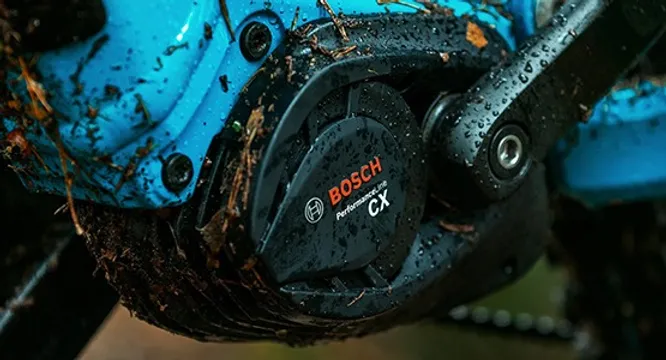
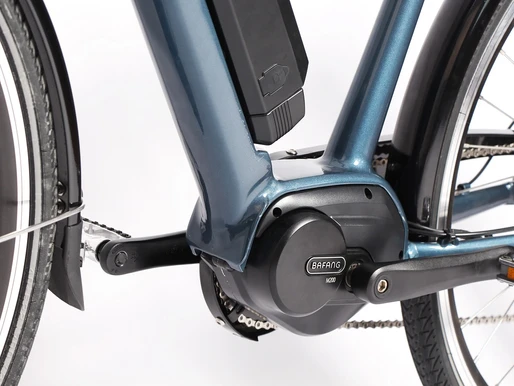
The choice depends on your specific route. Hub motors are often more budget-friendly and perfectly adequate for flat city streets and standard bike paths. However, if your commute involves frequent steep hills, a mid-drive motor is more efficient because it leverages the bike’s internal gears to provide superior climbing power and balanced weight distribution.
What is the difference between Class 1, 2, and 3 commuter bikes in Wisconsin?
Class 1 and 2 ebikes assist up to 20 mph and are generally allowed on most shared-use paths in Madison. Class 2 bikes include a throttle, which is helpful for starting from a stop in traffic. Class 3 bikes assist up to 28 mph and are ideal for keeping pace with city traffic on roads, though they may be restricted from certain recreational trails.
Why are disc brakes recommended for year-round commuting?
Safety is paramount when riding in Wisconsin weather. Disc brakes, particularly hydraulic disc brakes, provide significantly more reliable stopping power in wet, snowy, or muddy conditions compared to traditional rim brakes. On a commuter bike, these systems ensure you can stop quickly and safely, regardless of road spray or rain.
How do I determine the right battery range for my daily commute?
To find the best fit, calculate your total round-trip distance and add a 30–40% buffer. While many manufacturers claim ranges of 60+ miles, real-world factors like hills and wind can reduce that number. A 500Wh battery is typically the “sweet spot” for medium commutes (10–25 miles), ensuring you have enough power for daily life errands without needing to charge mid-day.
Is a step-thru or step-over frame better for a hybrid bike used for commuting?
This choice is based on personal comfort and mobility. Step-over frames are traditionally more rigid, while step-thru frames allow you to mount and dismount without swinging your leg high—a major benefit if you commute in work clothes or have limited hip flexibility. Many of the best commuter bikes now feature step-thru designs for their overall practicality and “upright riding position” comfort.