

If you’ve ever wondered whether an electric bike can actually replace your car for daily commuting or handle a weekend adventure across rolling countryside, the answer comes down to one thing: range. And range, it turns out, is far more nuanced than a single number on a spec sheet. This guide breaks down exactly how far modern e-bikes go, what shapes that distance, and how to choose the right setup for your riding style.
Key Takeaways
- Real-world e-bike range for most mid-weight commuter and all-round models falls between 25–80+ miles per single charge. Standard eBikes usually have a range of 50–60 miles with moderate assist, while long-range eBikes typically offer over 100km range.
- Battery capacity measured in watt-hours (Wh) is the strongest predictor of range, but advertised maximum range figures assume ideal conditions. Realistic mixed-use range is usually 60–70% of that headline number due to rider weight, hills, wind, and assist level choices.
- Some of the longest range electric bike models now push 150–250+ miles using dual battery or triple battery systems, though most riders will see somewhat lower real-world figures.
- At Crazy Lenny’s eBikes, we regularly see customers achieve full-day rides and long-distance touring on properly chosen models, not just premium “halo” bikes. Smart assist use, correct tire pressure, and choosing the right motor type can increase range by 20–40%.
- This article explains how far electric bikes really go, what affects an e-bike’s range, and how to pick the best long-range e-bikes for commuting, touring, and off-road use.
What Defines a Long-Range Electric Bike?
Long range isn’t just a marketing label. Typical commuter e-bikes deliver 25–45 miles (40–70 km) per charge. A true long-range e-bike pushes beyond 60–100+ miles (95–160+ km) under realistic conditions. Extreme dual- or triple-battery setups can exceed 150–250+ miles (240–400+ km), though those numbers are tied to ideal terrain and lowest assist. Long-range e-bikes typically offer 100km to 160km range, depending on configuration and riding conditions.
The best long-range e models don’t simply cram in more cells. They combine large battery capacity (700–1,500+ Wh), efficient motors with sensible gearing, and aerodynamic frame designs. Many long-range e-bikes feature batteries of 500Wh to 750Wh, and long-range e-bikes often use 500Wh-750Wh batteries as a baseline. Long-range eBikes are generally heavier due to larger batteries, which is a trade-off riders should expect.
The gap between manufacturer-claimed maximum range and what you’ll actually get is significant. A bike advertised at 80 miles might deliver 50–60 miles once you factor in mixed terrain, moderate assist, a 180-pound rider, and a headwind. According to Bike Tips, a realistic mixed-use range is often 60–80% of the headline figure.
- 2026 range expectations: Many mainstream e-bikes now quote 60–90 miles with larger 600–750 Wh packs. A smaller number of ultra-long-distance touring or dual-battery bikes push beyond 150–200 miles under controlled conditions.
- Long range is not only for road bikes. Cargo, fat tire, and mountain electric bikes can also be optimized for extended distances rather than just peak power or speed.
Key Features That Determine E-Bike Range
An e-bike’s range is the outcome of several interacting specs, not just “bigger battery equals more miles.” Here are the key features that actually move the needle:
- Battery capacity (Wh): This is the primary numerical indicator of potential range. Roughly, 300–400 Wh suits short urban rides, 500–700 Wh handles longer commutes, and 750–1,500+ Wh supports serious long-distance use. Many long-range e-bikes feature batteries in the 500Wh to 750Wh sweet spot.
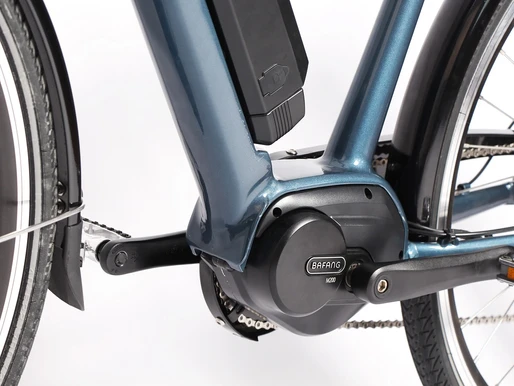
- Motor type and motor efficiency: Torque-sensing mid-drive motors are efficient for conserving battery because they leverage the bike’s gears and maintain optimal cadence. Hub motors are simpler but suffer efficiency losses on climbs. Using throttle-only mode can quickly deplete an electric bike’s battery. Long-range e-bikes often include efficient motors for better performance across diverse terrain.
- Weight factors: The bike’s weight, rider’s weight, and cargo all demand energy. Every extra pound matters. Motor assistance enables riders to tackle steep inclines easily, but climbing steep hills with heavy loads drains the battery fast. Long-range electric bikes allow for longer distances to be covered with less fatigue through pedal-assist technology, which allows riders to manage energy exertion.
- Tire choice: Slick tires roll more efficiently than knobby fat tires. Proper tire pressure can significantly improve eBike range, a detail many riders overlook.
- Controller tuning and assist level: Eco mode might consume 8–10 Wh per mile, while turbo mode burns 20+ Wh per mile. Smoother torque sensor systems typically deliver better range than simple cadence-only setups.
At Crazy Lenny’s eBikes, we help match riders to battery size, motor style, and tire choice based on daily mileage, hills, and cargo so they avoid over- or under-buying.
Battery Technology: The Heart of Long-Range E-Bikes
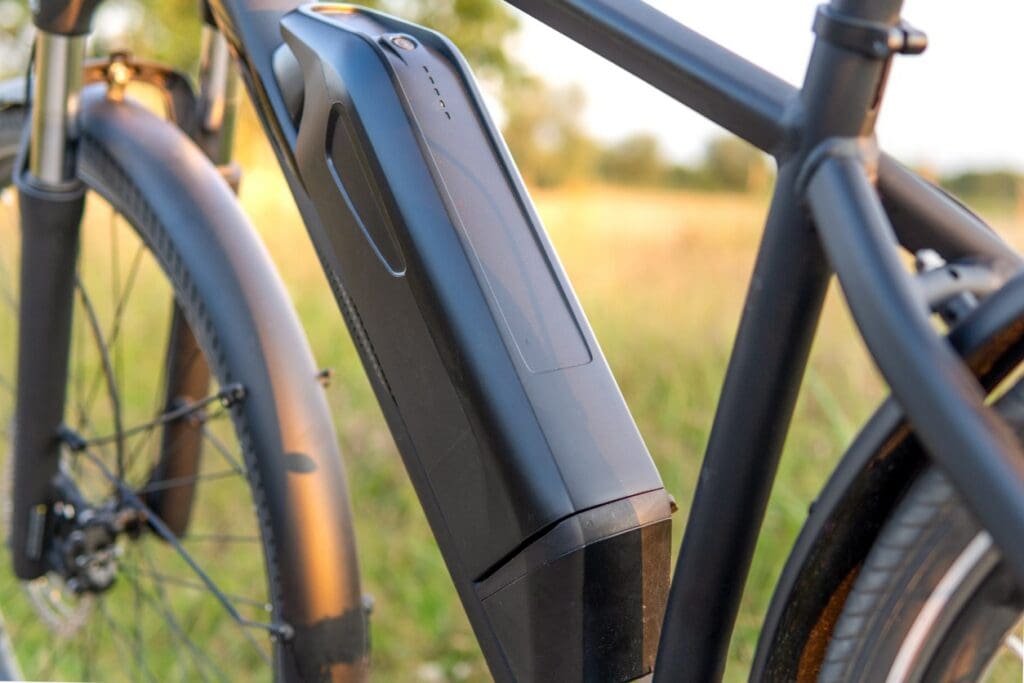
Modern electric bikes almost universally use lithium-ion batteries, and Wh (watt-hours) is the key unit to compare long-range potential. Voltage multiplied by amp-hours gives you this number, and it’s the most reliable way to compare models side by side.
- Common configurations in 2026: A 48V × 15Ah pack delivers roughly 720 Wh. A 52V × 20Ah system hits approximately 1,040 Wh. Almost all-terrain electric bikes use 52V systems with 20Ah capacity for optimal performance. Dual-battery setups push 1,500–2,000+ Wh in aggregate. Top models often use dual or triple battery systems for extended range. For reference, the Specialized Turbo Vado SL 2 has a range of up to 130km, while the Giant Reign E+ 1 offers a range of up to 150km-both using high-quality single-pack configurations.
- Cell quality matters: Reputable packs from LG, Samsung, or Panasonic paired with advanced battery management systems (BMS) are essential for safe long-distance touring. A good BMS monitors temperature, cell balancing, and voltage to prevent overheating and degradation.
- Removable vs. integrated: Touring riders often favor external or dual packs so they can swap or charge off the bike during multi-day tours. Frame-integrated batteries look sleek but are harder to service.
- Preserving battery life over years: Avoid repeatedly draining to 0%, store your battery around 40–70% state of charge when not riding for weeks, and keep packs out of extreme cold and heat. Store your eBike indoors to protect the battery from temperature swings.
Our technicians at Crazy Lenny’s eBikes test and service batteries, and can advise when a rider would genuinely benefit from a dual battery option or a range extender instead of a single massive pack.
Real-World Range: What to Expect on Different Electric Bikes
Marketing numbers and real rider experiences often tell very different stories. Terrain, weather conditions, and assist level can shift results by 30–50%. Here’s what to actually expect:
- City and commuter riding: With 400–700 Wh packs, stop-and-go traffic, and moderate assist, expect 25–55 miles (40–90 km) for average riders. Standard eBikes are designed for shorter commutes and rides in this category, and they handle it well.
- Long-distance touring and trekking: Larger 700–1,000+ Wh systems or dual batteries realistically support 60–120+ mile days, depending on hills and luggage. The Tern GSD S10, for instance, claims 121 miles with dual batteries-a solid choice for loaded touring adventures.
- Cargo and utility e-bikes: Extra weight and upright position reduce range relative to similar-battery commuter bikes. Even with 600–1,000 Wh batteries, many cargo bikes get 25–60 miles per charge in mixed use.
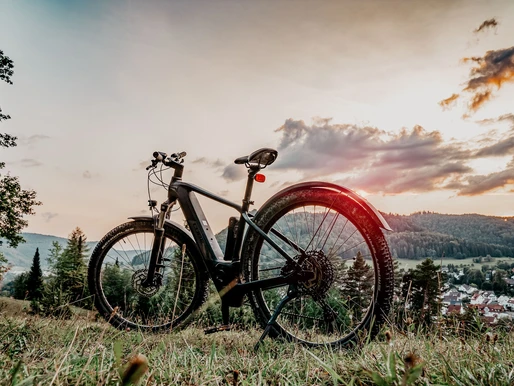
- Fat tire and electric mountain bikes: All-terrain electric bikes can travel 60–120 miles on average. They feature large-capacity batteries for extended distances and are designed for varied surfaces like sand and snow. Trail riding on rough terrain with modern 700–900+ Wh packs still allows 30–70+ trail miles. Top-tier all-terrain bikes can exceed 200 miles under ideal conditions with dual-battery setups.
Our team at Crazy Lenny’s eBikes uses local Madison, WI ride data and customer feedback to help new buyers set realistic expectations before choosing a battery size. Riders here dealing with hills and cold winters often see 20–30% less than flat-terrain estimates.
How to Increase Range on Any E-Bike
Riders can often gain 20–40% extra distance from the same electric bike by adjusting how they ride and care for their equipment. Before upgrading your battery, try these strategies first:
- Lower assist levels: Using lower pedal assist levels increases eBike range significantly. Use lower pedal assist levels to extend battery life by reserving turbo and high power output modes for steep hills or strong headwinds. Eco mode on flat ground can nearly double your range compared to full-power riding.
- Pedaling technique: Riding in lower gears helps extend eBike range on hills. Spin smoothly at a steady cadence rather than grinding, and contribute more human power when accelerating from stops. Electric assistance works best as a supplement, not a replacement.
- Tire pressure and maintenance: Check tire pressure before every ride for optimal performance. Proper tire pressure alone can add several miles to longer rides. A clean bike with lubricated parts enhances range efficiency. Keep your bike clean to ensure smooth operation and lubricate the chain regularly for better performance. Aligned hydraulic disc brakes and hydraulic brakes prevent drag that silently eats range.
- Route and speed planning: Moderate cruising speeds dramatically improve efficiency. Dropping from 22 mph to 16 mph can extend range by 30% or more because aerodynamic drag grows exponentially with speed. Plan routes to avoid frequent charging stops.
- Environmental awareness: Temperature and wind can reduce eBike range by 20–40%. Cold weather increases internal battery resistance, and headwinds force the motor to work harder. Adjust expectations seasonally.
Crazy Lenny’s eBikes staff walk new owners through “range best practices” during pickup, and can re-tune controller settings (where supported) to prioritize efficiency over raw power.
Choosing the Best Long-Range E-Bike for Your Riding Style
The best long-range e-bike is different for a daily commuter, a long-distance touring rider, and a weekend adventure rider. Range must be matched to the use-case rather than chasing the highest Wh number.
- Commuters: Prioritize balanced weight, at least 500–700 Wh batteries, integrated lights, a rear rack, and a comfortable upright position for 10–40 mile round trips. A step-through frame is a fantastic option for easy on-off access. Electric bikes with long ranges offer convenience by bypassing city traffic, and charging an electric bike is significantly cheaper than fueling a car. Electric bikes can reduce commuting costs compared to vehicles while producing no harmful emissions, making them environmentally friendly.
- Long-distance touring riders: Look for 700–1,000+ Wh or dual-battery options, strong mid-drive motors with wide gearing, mounting points for panniers, and stable frames for all-day comfort. A specialized turbo Creo-style lightweight road platform or a sturdy trekking bike both work, depending on your terrain. Look for reliable components and a smooth ride over extended distances.
- Off-road and adventure riders: For trail riding in sand, snow, and singletrack, prioritize traction and frame strength. Battery size of 700–960+ Wh keeps you going on rough terrain. Look for adequate suspension travel, a sleek design that doesn’t compromise durability, and tires that balance grip with rolling resistance. These bikes suit adventure riders who want an impressive range without sacrificing off-road capability.
At Crazy Lenny’s eBikes, we use our in-store “eBike Finder” and one-on-one consultations to match customers to specific models and battery setups based on weekly mileage, terrain, and cargo needs. Test rides at our Madison superstore are invaluable for understanding how different motor and battery combos actually feel under real conditions.

Long Distance Touring on Electric Bikes
Long-distance touring means 50–80+ mile days, multi-day trips, and routes combining paved trails, rural roads, and small towns where infrastructure is uncertain. It demands a different level of planning than a daily commute.
- What makes a good touring e-bike: A robust frame that handles luggage, 700–1,500+ Wh total capacity or dual batteries, comfortable contact points, and reliable components that can handle thousands of miles. Many bikes marketed for touring include wide-range gearing for long climbs and a torque sensor for natural-feeling electric assistance.
- Charging strategy: A 500–700 Wh battery needs roughly 3–5 hours on a standard household outlet. Larger 900–1,200 Wh packs may take 5–8+ hours. Sometimes, a partial top-up of just one hour during a lunch stop adds meaningful range. Plan overnight full charges at lodges or campgrounds and carry your charger.
- Cargo solutions: Use a rear rack with panniers and frame bags. Pack light and low extra weight and frontal area hurt long-range performance and drain the battery faster. Heavier setups reduce effective range by 15–25%.
Crazy Lenny’s eBikes frequently outfits riders for Wisconsin and Upper Midwest touring routes, helping them select spare chargers, racks, tools, and potentially a second battery for peace of mind on long-distance adventures. Some riders even ask about mounting a solar panel on their trailer for trickle charging during rest stops.
Crazy Lenny’s eBikes: How We Help You Get the Range You Need
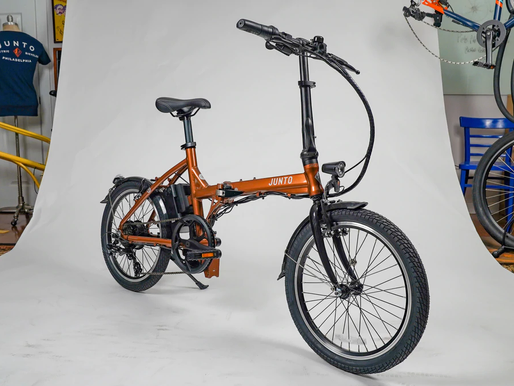
As North America’s largest single-location e-bike superstore, Crazy Lenny’s eBikes carries deep inventory across commuter, mountain, fat tire, cargo, folding, and step-thru models, plus electric tricycles. Our team has hands-on experience with real-world range data from thousands of customer rides across diverse terrain.
- Personalized range consultations: Staff ask about daily miles, hills, rider weight, and whether you plan long-distance travel or mainly urban commuting before recommending a specific model and battery setup.
- Broad stock for every rider: We carry new, used, and demo e-bikes, so riders can often upgrade to higher battery capacity, high-capacity batteries, or more efficient motors at an affordable price point without breaking their budget.
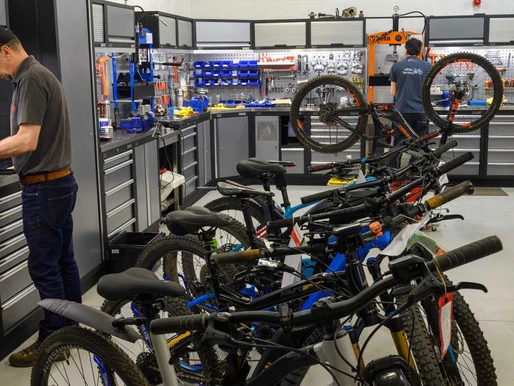
- Service and range support: Our service center handles firmware updates, motor diagnostics, brake and drivetrain tuning, and battery testing to maintain maximum e-bike range over time. We help you avoid a dead battery on the road.
Ready to find the best electric bike for your long-distance goals? Visit our Madison, WI, showroom or contact us for a remote consultation. We’ll help you choose the right setup so you can travel long distances with confidence, whether you’re commuting across town or planning multi-day tours through the Upper Midwest.

Q&A: Common Questions About Electric Bike Range
How far can an electric bike go on one charge in 2026?
Many mainstream models offer 25–60 miles (40–95 km) for daily use with moderate pedal assist. Well-specced long-range ebikes with larger batteries commonly reach 70–100+ miles (110–160+ km). Extreme dual-battery setups can exceed 150–200 miles under ideal conditions, delivering unparalleled range, but most riders will see somewhat lower real-world figures. At Crazy Lenny’s eBikes, we help riders estimate realistic range based on their specific routes rather than quoting brochure numbers. The best range depends on matching the battery and motor to your actual riding style.
What reduces an e-bike’s range the most?
The biggest range killers are constant high-speed riding, steep hills, frequent starts and stops, heavy loads (extra weight from cargo or passengers), soft terrain like sand or snow, low tire pressure, cold weather, and riding in high-assist or throttle-only modes. Aerodynamic drag grows rapidly with speed, so cruising just a few mph slower can dramatically extend range on long-distance rides. Start by improving proper tire pressure, shifting technique, and assist level choices before assuming you need a larger battery.
Can I upgrade my current e-bike to get more range?
Common upgrade paths include swapping to a higher-capacity battery from the same brand, adding a second battery if the system supports it, or using less energy through more efficient tires and drivetrain components. However, not all electric bikes safely accept larger batteries; mismatched voltages or improper BMS can pose safety risks and void warranties. Crazy Lenny’s eBikes service team can evaluate whether your bike has safe upgrade options or whether moving to a different long-range electric bike platform makes more sense.
How long does it take to charge a long-range e-bike battery?
Typical charging times run around 3–5 hours for 500–700 Wh batteries with standard 2–4A chargers, and 5–8+ hours for 900–1,200 Wh packs using regular household outlets. Some high-end fast chargers can reduce times but may increase battery stress if used constantly. For extended rides and touring, plan overnight full charges and mid-day top-ups at cafés or motels. Our staff can recommend charger strategies based on your specific itinerary.
Are long-range electric bikes worth the extra cost?
For riders regularly covering 25–50+ mile days or planning touring adventures, the investment in higher battery capacity typically pays off through fewer charging interruptions and greater flexibility. For short urban commutes under 20 miles, a lighter, smaller battery at a lower cost often delivers better value and handling. Crazy Lenny’s eBikes helps customers run through their weekly mileage and budget to decide whether investing in the best long-range ebikes makes sense, or whether optimizing their current setup delivers the best return.