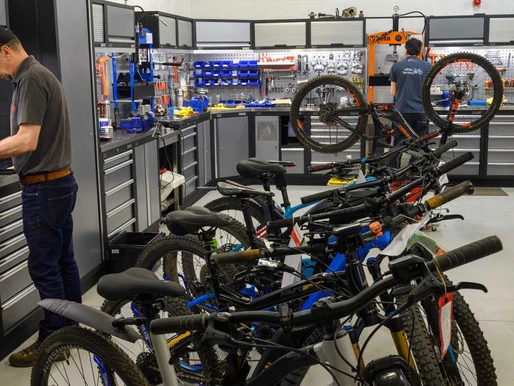


Key Takeaways
- Class 1 and Class 2 electric bikes are ideal for the Capital City State Trail and most Madison bike paths, with Wisconsin law treating them like traditional bicycles on shared-use paths.
- Crazy Lenny’s eBikes in Madison offers test rides on nearby bike paths so riders can compare e bikes for daily commute, city streets, and recreational loops in real conditions.
- Different trail sections favor different styles: upright commuter ebikes for downtown corridors, fat tire models for gravel and winter, and cargo bikes for hauling kids or groceries.
- Proper fit, battery range, and motor type matter more than top speed for a great riding experience on Madison’s extensive path network.
- This article reflects 2026 Madison WI trail rules, typical use patterns, and the latest e bike technology.
Riding the Capital City State Trail on an Ebike: Why It’s Perfect for Madison Riders
The Capital City State Trail is a 17-mile asphalt path linking downtown Madison to outlying parks and natural regions, stretching through Fitchburg and connecting toward Cottage Grove. This trail serves as the backbone of one of the most bike-friendly cities in the U.S., which offers over 240 miles of paths for cyclists of all skill levels. Electric bicycles, or e-bikes, are designed to assist riders with an electric motor, making them suitable for various types of cyclists, including commuters and recreational riders.
Electric bikes let riders enjoy lakeside scenery, prairie segments, and downtown access with more ease and style. On windy days along exposed sections or mild hills near the beltline overpass, pedal assist takes the edge off without eliminating the fun of pedaling. The result is arriving at your destination feeling energized rather than exhausted.
Under Wisconsin law, e-bikes are defined into three classifications: Class 1, Class 2, and Class 3. Madison offers a vast network of paved and off-road trails suitable for e-bikes, with most city paths allowing Class 1 and Class 2 models wherever traditional bicycles are permitted. State trails like Military Ridge and parts of the Capital City Trail require a Wisconsin State Trail Pass for riders 16 and older.
Compared to a traditional bike, an e bike extends your comfortable range, reduces fatigue on longer rides, and builds confidence for beginners or riders returning after time away. Crazy Lenny’s eBikes serves as a Madison-based starting point where riders can get a properly fitted electric bike and immediately access nearby paths for a real-world test ride.
Understanding Madison’s Path Network: Capital City Trail and Key Connections
The Capital City State Trail functions as the spine of Madison’s off-street network for both commuting and recreation. Madison serves as a hub for several regional state trails for riders looking for longer distances or more technical terrain.
Key segments and connections include:
- Downtown/Rails-to-Trails corridor: Passes through urban edges with wooded and marshy stretches
- Monona lakeside loop connection: Links to the Lake Monona Loop, a 13-mile loop offering skyline views and lakeside beauty, including bike lanes and low-traffic streets
- Fitchburg/Badger State Trail access: The Badger State Trail extends over 40 miles south from Madison towards the Illinois border, combining paved sections and crushed stone
- Eastern extension toward Cottage Grove: The emerging Glacial Drumlin connector improves access for riders heading east
The Southwest Commuter Path is a 5.5-mile path connecting west-side neighborhoods to the university and downtown breweries. Riders can link it to the Capital City Trail, Cannonball Path, and local neighborhood greenways for a seamless riding experience.
Flat, paved trails like the Lake Monona Loop and Yahara River Bike Path are ideal for beginners and families. The Greater Madison MPO Low-Stress Bike Route Finder is a tool to help beginners and families find relaxed riding experiences, while a comprehensive Dane County Bike Map is available for mapping out safe routes and finding lower-stress paths.
For more adventurous riders, technical mountain biking trails are available at Quarry Ridge Recreation Area, featuring over three miles of off-road paths.
These connections impact ebike choice directly. Longer continuous rides call for bigger batteries, while frequent transitions to city streets may favor nimble commuter models with responsive handling.
Best Ebike Types for the Capital City Trail and Madison Bike Paths
There is no single “best” e bike for Madison’s mix of trails, public transport links, and urban riding. eBikes come in various categories, including Commuter, Mountain, Fat Tire, Folding, Cargo, Hunting, and All-Terrain models, catering to different riding preferences and needs.
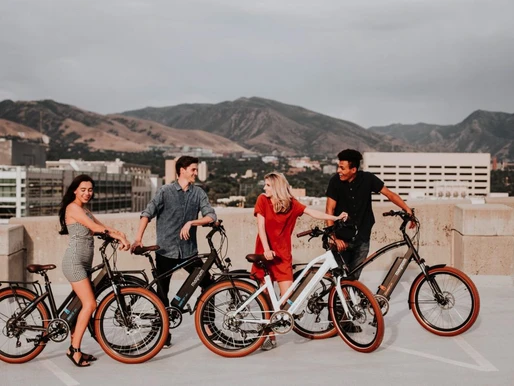
Commuter/Urban Ebikes These work well for daily commute trips, errands, and riding between the Capital City Trail and downtown city streets. Upright geometry, integrated lights, fenders, and rear racks make them practical for dawn-to-dusk reliability. Most weigh 55-65 lbs with 40-60 mile range.
Fat Tire E-Bikes Fat tire models excel on crushed gravel segments, winter riding, and rougher connectors. The 4-5 inch tires grip where standard tires slip, absorbing bumps for a more comfortable feel. They trade speed for all-terrain stability, typically maxing at 15-18 mph.
Comfort/Step-Thru and Cargo Ebikes Specialized eBikes, such as Step-Thru frames and electric tricycles, are available to accommodate older adults or those seeking more stability while riding. A cargo bike handles families carrying groceries or gear on flatter Capital City Trail stretches. These prioritize low-speed control with hydraulic disc brakes for loaded stops.
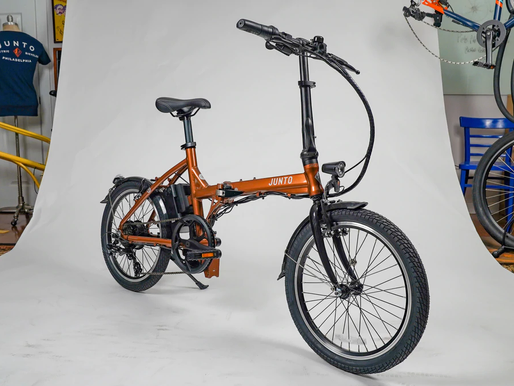
Folding E-Bikes For riders mixing public transport (Metro bus, future BRT) with Capital City Trail segments, folding models offer portability and storage benefits. Compact 20-inch wheels fold to fit buses or apartments, with 20-40 mile range sufficient for partial trail rides.
Crazy Lenny’s eBikes carries all of these categories and encourages test rides along nearby paths to feel the differences, rather than choosing by specs alone.
Key Features to Look For in an Ebike for Madison’s Paths
The right components transform how safe and enjoyable the Capital City Trail feels, even at modest speeds.
Motor Class and Power
- Class 1 e-bikes are equipped with a motor that provides assistance only when the rider is pedaling and ceases to assist when the bike reaches 20 mph
- Class 2 e-bikes have a motor that can provide assistance regardless of whether the rider is pedaling, but the assistance stops when the bike reaches 20 mph
- Class 3 e-bikes are similar to Class 1 but can assist up to 28 mph and are subject to additional regulations, such as requiring a helmet for riders under 16
For shared-use paths, Class 1 or Class 2 models are generally preferred. Throttle restraint matters in mixed-use areas with pedestrians.
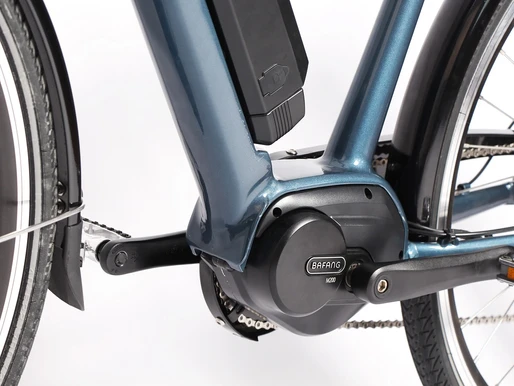
Battery Capacity and Range A 500Wh battery yields 30-50 miles under normal conditions—enough for a full Capital City Trail loop plus connectors. Heavier riders, headwinds, or cold weather can reduce real-world range by 20-30%. For daily commutes of 10-20 miles roundtrip, most riders have power to spare.
Brakes Hydraulic disc brakes with 180-203mm rotors ensure consistent stopping power at trail crossings and busy intersections. They outperform mechanical brakes in wet conditions or when carrying cargo weight.
Tires Standard 2-2.5 inch slick tires maximize speed and efficiency on asphalt. Fat tire models (4 inches or wider) provide better traction in wet leaves, light snow, and crushed limestone surfaces at the cost of some rolling speed.
Comfort and Fit Upright geometry, adjustable stems, suspension seatposts, and ergonomic grips reduce strain on longer rides. A padded seat and sturdy frame make all-day riding comfortable rather than punishing.
Practical Accessories Front and rear lights (500+ lumens front, 100+ rear), full fenders, and a rack are must-haves for commuters who use the Capital City State Trail during dawn/dusk or in shoulder seasons.
Trail Etiquette, Safety, and Rules for Electric Bikes on the Capital City State Trail
E-bikes share the Capital City Trail with walkers, joggers, kids, and traditional cyclists, so smooth, predictable behavior keeps everyone safe.
Basic expectations for 2026:
- On Wisconsin State Trails, e-bikes must not exceed a 15 MPH speed limit
- Stay to the right except when passing
- Yield to pedestrians and slower traffic
- Use a bell or voice alert (“on your left”) when overtaking
Keep assist levels modest and use a lower top speed when the path is crowded. The goal is safety and enjoyment, not setting personal records.
Navigate tunnels and underpasses carefully—visibility drops and acoustics can mask approaching traffic. Take extra caution at busy at-grade road crossings like Waunona Way or Verona Road.
Nighttime riding: Front and rear lights are essential. Bright or reflective clothing improves visibility. Most quality ebikes include integrated lighting systems that make city streets and path connectors safer during dawn and dusk commutes.
For updated trail regulations and seasonal restrictions, check the Dane County Parks website or the City of Madison pages before heading out.
Sample Ebike Setups and Routes for Madison Riders (2026)
These examples show how different riders pair specific ebike styles with Capital City Trail and related routes.
Daily Commute Setup A rider living on Madison’s east side uses a commuter ebike to travel from a neighborhood near Cottage Grove Road into downtown via the Capital City State Trail and connecting city streets. A 500Wh battery handles the 12-mile ride with room to spare. Hydraulic brakes and integrated lights provide reliable performance in all conditions.
Lake Loop and Leisure Setup A comfort or step thru ebike suits riders from Monona or the near east side who want to circle Lake Monona, then connect to the Capital City Trail for cafés, parks, and sightseeing. Suspension seatposts and upright posture make 15-20 mile days feel effortless.
Four-Season Explorer Setup A fat tire ebike serves riders who want to continue using Madison’s paths during shoulder seasons, light snow, and gravel connectors. The wider tires provide traction where standard bikes would slip, and the distance covered doesn’t drop off in challenging conditions.
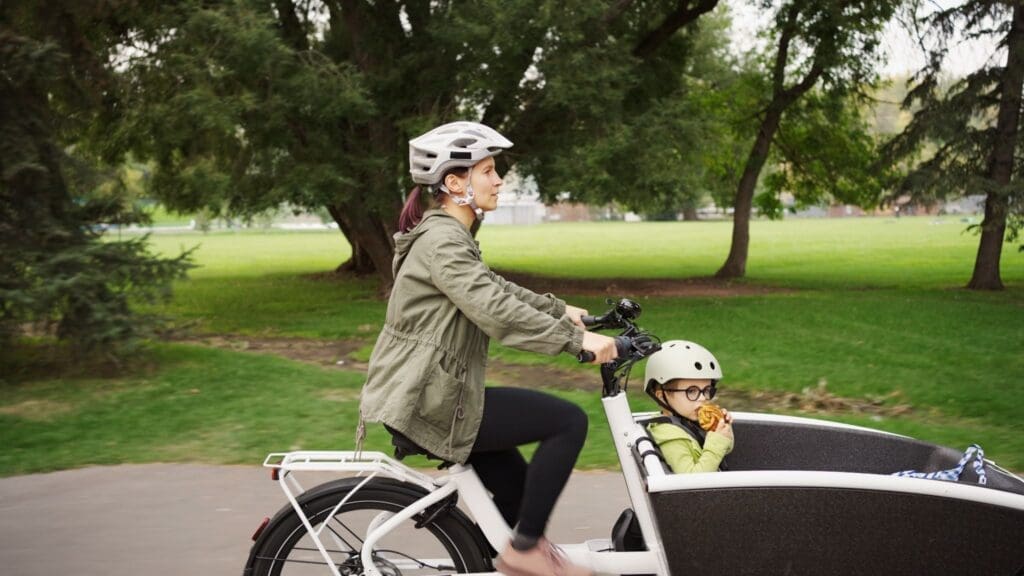
Family Cargo Setup Using a wheeled cargo or long-tail ebike on the flatter segments of the Capital City State Trail makes hauling kids or groceries practical. A low center of gravity improves stability at slower speeds, while hydraulic brakes handle the extra weight when stopping.
Crazy Lenny’s eBikes staff can help riders recreate or customize any of these setups with specific models, accessories, and maintenance plans.
How Crazy Lenny’s eBikes Helps You Choose the Right Ebike for Madison’s Trails
Crazy Lenny’s eBikes is North America’s largest single-location ebike retailer, based right here in Madison WI. The store combines local trail expertise with a massive selection of bikes Madison riders can actually test before purchase.
Staff ask about your typical routes—Capital City State Trail segments, city streets, public transport links—instead of pushing brands or budget targets. Crazy Lenny’s eBikes offers a comprehensive shopping experience that includes not only sales but also services such as rentals, repairs, and personalized consultations. The store has built a strong reputation for knowledgeable staff, personalized consultations, and delivering excellent value to every customer.
The value of on-site test rides cannot be overstated. Customers start near the store and quickly connect to multi-use paths, feeling how different motors, frames, and tires behave in the real world. Customers at Crazy Lenny’s eBikes can take multiple bikes for test rides to ensure they find the right fit without pressure to purchase. Many bikes can be delivered within a week, providing fast and reliable service for your convenience.
Services include professional fitting, free consultations, and the “eBike Finder” tool that matches riders with commuting, leisure, or fat tire models based on real riding patterns. The store is known for its knowledgeable staff who provide expert guidance to help customers select the best eBike for their needs, ensuring a positive shopping experience.
What you’ll find:
- New, used, and demo ebikes across all categories
- Prices at a range of price points for Madison routes
- Brands covering commuter, cargo, fat tire, and folding styles
- Long-term support: maintenance, repairs, battery care advice, and upgrades
Reliability matters when you’re putting tons of miles on your bike each year. Crazy Lenny’s keeps bikes ready for thousands of miles on the Capital City State Trail.
Maintenance and Battery Care for Frequent Path Riders
Regular use of the Capital City Trail adds steady mileage, making basic maintenance and battery care important for safety and cost savings.
Weekly pre-ride checks:
- Tire pressure (40-60 psi for most models)
- Brake feel and pad thickness
- Chain lubrication (wet lube for rainy conditions)
- Quick visual inspection of frame and wheels
Battery charging habits: Charge to 80% for daily commute use rather than always topping off to 100%. Avoid fully draining the battery. Store batteries at 40-70°F—Madison garages work well, but freezing cars can cut capacity 20-50%. Fires can start when batteries are stored, charged, or disposed of incorrectly, including those that power e-bikes and e-scooters. To protect yourself and your home while using e-bike batteries, it is important to follow safety precautions during storage, charging, and disposal. Proper handling and maintenance of e-bike batteries can significantly reduce the risk of fire hazards associated with their use.
Seasonal considerations: Madison WI weather (rain, road salt, cold winters) affects components. Quarterly tune-ups cover drivetrain cleaning and corrosion protection. Crazy Lenny’s eBikes offers full services including diagnostics, brake and drivetrain work, and battery evaluations tailored to year-round trail users.

Frequently Asked Questions About the Best eBikes for Madison Trails
Are ebikes allowed on the Capital City State Trail and Madison bike paths in 2026?
Under current Wisconsin law and local policies as of 2026, most Class 1 and Class 2 electric bikes that meet state definitions are allowed wherever traditional bicycles are permitted, including most shared-use paths like the Capital City State Trail. However, riders should always verify current rules, especially for specific segments that may have different requirements. A state trail pass is required for riders 16 and older on certain sections.
How much battery range do I really need for typical Madison rides?
For the full Capital City Trail plus connectors (roughly 20-25 miles), a 500Wh battery provides comfortable coverage. Daily commutes of 10-20 miles roundtrip leave plenty in the tank. Weekend rides of 30-40 miles benefit from 720Wh+ batteries. Real range depends on assist level, rider weight, and terrain—expect 20-30% reduction in cold weather or with heavy use of higher assist modes.
Can I use my ebike year-round on Madison’s paths, including winter?
Many riders use ebikes in all four seasons. Fat tire or studded tires provide traction on snow and ice. Dress in layers and account for windchill at riding speeds. Most major paths receive snow clearing, though ice risks require extra caution. Some connectors may see reduced maintenance during heavy snow periods.
What’s the difference between riding in “motorless motion” and with electric assist on these trails?
Riding a traditional bicycle requires full pedaling effort—hills become exhausting and distance is limited by fitness. With electric assist, the motor helps carry you up inclines at a conversational pace without strain. You still pedal actively in pedal-assist modes, burning 200-400 calories per hour while covering more ground. The world opens up when fatigue isn’t the limiting factor.
How do I know which ebike model at Crazy Lenny’s is among the best eBikes for Madison trails and my Capital City Trail rides?
Start by discussing your routes and goals with staff. They’ll recommend 2-3 models from commuter to fat tire based on your typical rides. Take multiple test rides on nearby paths to feel differences in handling, motor response, and comfort. Adjust fit with their helpful guidance, then use feedback from real conditions to narrow down to your ideal match. Comment or create an account online to start the conversation before your visit.