
Madison, Wisconsin, stands as one of the most bikeable cities in the United States, featuring over 200 miles of biking and hiking trails that wind through four lakes, a vibrant downtown, and scenic countryside. For electric bike riders, this network transforms into something even more accessible—where gentle hills, persistent lake winds, and longer distances become advantages rather than obstacles.
Key Takeaways
- Madison permits Class 1 and Class 2 e-bikes on most paved city paths, including the Lake Monona Loop and Capital City State Trail, with a practical 15 mph courtesy speed limit in busy areas.
- Class 3 e-bikes (pedal-assist up to 28 mph) function more like a road bike—permitted on streets and some sidepaths, but riders should verify current Wisconsin DNR rules before accessing state-managed trails.
- The best e-bike-friendly routes include the 13-mile Lake Monona Loop, Capital City State Trail, Badger State Trail, UW Lakeshore Path, Quarry Ridge connectors, and the “Bike to the Border” route.
- Crazy Lenny’s in Madison offers the area’s largest selection of electric bikes with demos, rentals, and expert guidance on matching riders to the right model for local trails.
- A Wisconsin State Trail Pass ($5 daily or $20 annual) is required for riders 16+ on certain state trail segments—check trailhead signage before your ride.
Why Madison Is Perfect for Electric Bikes
Madison consistently ranks among America’s most bike-friendly cities, with a network developed through decades of partnership between the City of Madison, Dane County Parks, and the Wisconsin DNR. Those 200+ miles of bicycle trails, bike paths, and bike lanes weave through urban neighborhoods, past the State Capitol and University of Wisconsin campus, and out into rolling farmland—all connected in ways that make biking Madison a genuine pleasure.
An electric bike changes the equation entirely. The 50-75 foot climbs along John Nolen Drive become manageable. Headwinds averaging 10-15 mph off the lakes no longer drain your energy. And routes that once seemed too ambitious—like a day trip to the Swiss inspired town of New Glarus or a 40-mile out-and-back on the Badger State Trail—suddenly feel within reach for riders of any fitness level.
As of 2026, Madison’s city paths welcome e-bikes that follow posted speed and courtesy rules. Trails in Madison are generally well-lit and maintained, promoting safety and connectivity for cyclists and pedestrians alike. Crazy Lenny’s, based right here in Madison, has helped popularize e-bikes locally through sales, demos, and guidance on choosing the right model for these trails.
Know the Rules: E-Bike Regulations in Madison and Wisconsin
Before hitting any trail with an electric bike, understanding local and state regulations saves hassle and keeps everyone safe. Wisconsin law defines electric bicycles under three classes:
- Class 1 e-bikes provide pedal-assistance up to 20 mph
- Class 2 e-bikes offer throttle assistance up to 20 mph
- Class 3 e-bikes deliver pedal-assist up to 28 mph and typically require a speedometer
Madison permits Class 1 and Class 2 e-bikes on most major city and state trails. State-managed trails enforce a 15 mph speed limit for e-bikes when using motor assistance, ensuring safety among joggers, families, and other trail users. Class 3 e-bikes, which assist up to 28 mph, are generally allowed on city streets and bike lanes but may have restrictions on some recreational trails—always check current DNR approvals before riding.
Here’s an important detail: without motor activation, any e-bike reverts to standard bicycle status and can access any bike trail where normal bikes are allowed.
A Wisconsin state trail pass is required for certain state trails in Madison, including the Capital City Trail. The pass costs $5 daily or $20 annually for riders age 16 and older. Purchase passes online at dnr.wi.gov, at local retailers like Crazy Lenny’s, North America’s largest single-location e-bike retailer, or at trailhead kiosks along routes like Nob Hill Road.
Standard trail etiquette in Madison includes yielding to pedestrians and using an audible signal when passing. Keep speeds reasonable, use bells and voice (“on your left”) when overtaking, and slow to walking pace in crowded sections near the Capitol and UW campus. Helmets are legally required for anyone under 18 and for all Class 3 e-bike operators in Madison.
Top E-Bike–Friendly Trails in Madison
Madison has a network of well-connected trails including the Capital City State Trail and the Lake Monona Loop, plus dozens of other cycling routes that showcase the city’s natural beauty. Here are the signature routes that work especially well with electric bikes.
Lake Monona Loop (Madison’s Classic E-Bike Ride)
The Lake Monona Loop is a popular 13-mile route that offers scenic views and easy access to local amenities like ice cream shops. This signature ride circles downtown Madison and east-side neighborhoods, following John Nolen Drive’s causeway with views of the State Capitol and Monona Terrace.
The loop is almost entirely paved and signed, ideal for Class 1 and Class 2 e-bikes that can comfortably handle small hills and wind along the water. Popular routes run counterclockwise, hitting Monona Bait & Ice Cream around mile seven for refreshments. Cafes near Monona Terrace and Williamson Street’s shops offer additional recharging stops.
Start at Olin Park, Monona Terrace, or Olbrich Botanical Gardens—all with nearby parking and easy navigation. Keep speeds moderate due to mixed traffic, and expect joggers, families, and dogs on sunny weekends.
UW–Madison Lakeshore Path (Lake Mendota Views)
The Lakeshore Path traces Lake Mendota’s edge from Memorial Union through campus and toward Picnic Point’s scenic peninsula. This route mixes paved sections with crushed-gravel stretches, favoring e-bikes equipped with 32-38mm tires for stability.
Most of the path is bike-friendly, but the narrow tip of Picnic Point is hiking-only—dismount or turn around where signs indicate. Class 1 pedal-assist works well here for better control on shared, sometimes softer surfaces.
Scenic highlights include views back to the Capitol skyline, lakeside piers, spring wildflowers, and connections via Monroe Street to the Arboretum trails. The campus atmosphere and lake breezes make this route feel worlds away from downtown traffic.
Capital City State Trail (City-to-Countryside Connector)
The Capital City State Trail serves as a paved artery running through Madison’s south and east sides, connecting Olin Park, the Monona area, and Nine Springs Wetlands to suburban neighborhoods in Fitchburg and beyond. The Velo Underground serves as a central hub connecting several major paths for trail users in Madison along this route.
This state trail showcases why e-bikes excel: gentle grades under 2%, consistent asphalt surface, and long stretches where pedal-assist helps riders cover 15-20 miles without fatigue. A Wisconsin State Trail Pass may be required on segments outside city limits—watch for signage at trailheads.
Connect from Capital City to other routes including Badger State Trail, Military Ridge, and Quarry Ridge for extended adventures reaching Cross Plains, Cottage Grove, and beyond.
Quarry Ridge Trails and Connections
Madison’s Quarry Ridge Trail System provides over three miles of off-road mountain bike trails, suitable for various skill levels from easy to advanced. Located in Fitchburg amid wooded bluffs and grasslands, this constructed singletrack welcomes confident Class 1 e-MTB riders.
Casual e-bike riders may prefer the paved connectors around Quarry Ridge linking to Capital City and Military Ridge State Trails. Rolling terrain and repeated short climbs can drain smaller 400Wh batteries 20-30% faster than flat paths—conserve battery heading out.
Wisconsin offers more than 1,000 miles of off-road bicycling opportunities on public lands, including constructed mountain bike trails and natural surface trails like those at Quarry Ridge.
Badger State Trail and “Bike to the Border”
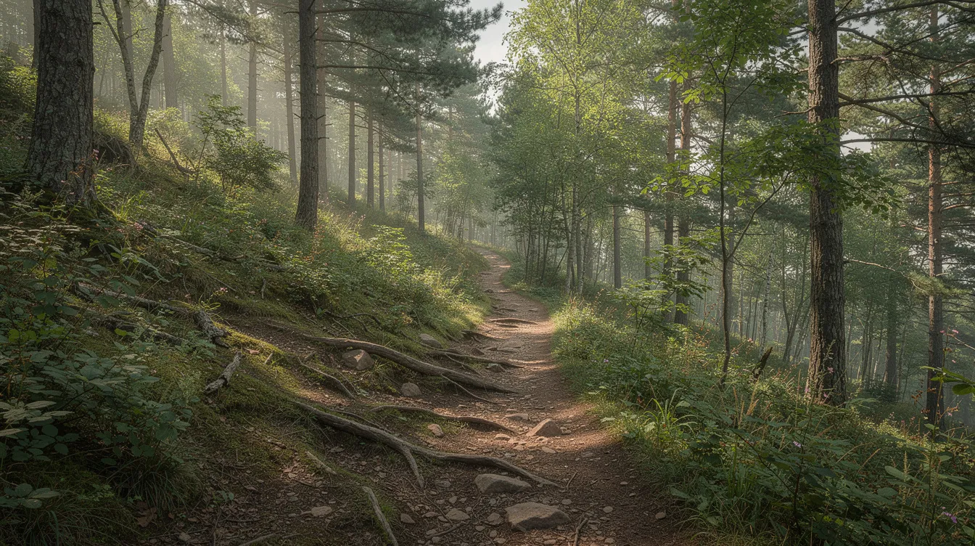
The Badger State Trail is a 40-mile rail trail that runs from Madison to the Wisconsin-Illinois border, offering a mix of farmlands, woods, and small communities along the way. Following the historic Chicago & North Western Railroad bed, this route passes through prairies, meadows, and towns like Paoli along the Sugar River valley.
Much of the surface is crushed limestone, manageable on most e-bikes with at least 32-38mm tires at reduced speeds. The 1,200-foot Stewart Tunnel stands as a unique feature—a curved, pitch-dark passage where temperatures drop 10 degrees. Bring a headlight and jacket.
An e-bike transforms “Bike to the Border” into an attainable day trip, but verify current DNR rules on which e-bike classes are allowed and ensure your battery handles the round trip. Smaller batteries may require partial out-and-back planning.
Ride an Urban Route with BCycle and City Paths
Madison’s BCycle program exclusively offers electric bikes, providing pedal-assist technology that helps riders navigate the city with ease. With 100+ docking stations near Capitol Square, State Street, UW campus, and lakeshore paths, the BCycle program allows users to rent electric bikes at various stations throughout Madison, making it convenient for both locals and visitors to explore the city.
Combine short BCycle hops along John Nolen Drive, Capital City connectors, and neighborhood side streets to explore key landmarks without owning a bike. The City of Madison Bike Map helps string together flat, low-stress loop routes under 10 miles.
These urban routes work perfectly for first-time e-bike riders wanting short, easy loops with plenty of food, coffee, and rest stops nearby. It’s an excellent option for sampling Madison before committing to longer rides.
Longer E-Bike Excursions from Madison
With an electric bike, riders can comfortably reach nearby communities for full-day adventures. The Trek Travel self-guided bike tours from Madison allow cyclists to explore the surrounding areas with pre-planned routes, accommodations, and suggestions for stops along the way, making it a convenient option for biking enthusiasts seeking longer excursions.
Paoli via Capital City and Badger State Trails
Head south from Madison on Capital City State Trail, connecting to Badger State Trail toward the charming town of Paoli. Following the Sugar River valley’s gentle grades, this route covers 25-35 miles round trip depending on your starting point.
Paoli rewards riders with options like the Paoli Schoolhouse Bistro, the Mill, and Hop Garden brewery serving local food and craft beer—or grab a stop at Point Burger Bar for something hearty. This half-day outing offers mostly gentle grades, scenic rural views past farmland and woods, and plenty of rest stops.
Start with a well-charged battery and consider eco-mode on the outbound leg to preserve range against 5-10% climbs.
New Glarus: Little Switzerland by E-Bike
Continue past Paoli on Badger State Trail toward New Glarus, the Swiss inspired town known for alpine-style buildings, bakeries, and the famous New Glarus brewery. The full Madison-to-New Glarus ride approaches 40-50+ miles round trip.
An e-bike makes this distance feasible for casual cyclists who’d otherwise struggle with the route. Sample local cheese, explore Swiss heritage sites, and tour the brewery before heading back through the Wisconsin countryside.
Consider an overnight stay or vehicle shuttle for less experienced riders or those with smaller batteries—especially on hot or windy days when range decreases. Northern Wisconsin destinations offer similar charm for multi-day adventures.
Janesville and “Wisconsin’s Park Place”
Janesville sits about an hour from Madison by car, with over 2,000 acres of parks and greenways friendly to bikes and e-bikes. The river trails and park loops offer a quieter alternative to city riding, ideal for full-day explorations with picnic stops and scenic overlooks.
Drive with your e-bike or plan a mixed-route tour using backroads from the Madison area, depending on fitness and battery range. Check local trail maps and rules before visiting, as some county paths may have specific guidance for higher-speed e-bikes.
Tour de Taliesin and Driftless Views
The Taliesin area near Spring Green, west of Madison WI, offers spectacular riding through Wisconsin’s Driftless Area with views of bluffs, farms, and the Wisconsin River. This challenging route includes substantial hills and climbs—perfect for mid-drive Class 1 or Class 3 e-bikes.
Attractions transform the ride into a cultural experience: Frank Lloyd Wright’s Taliesin estate, American Players Theatre, and House on the Rock. Unlike separated bike paths, these are mostly rural highways and county roads. Use bright lights, reflective gear, and ride single-file.
The outdoors here feels distinctly different from Madison’s lakeside trails—less manicured, more dramatic, and deeply rewarding for riders seeking adventure beyond city limits.
Renting and Riding E-Bikes in Madison with Crazy Lenny’s
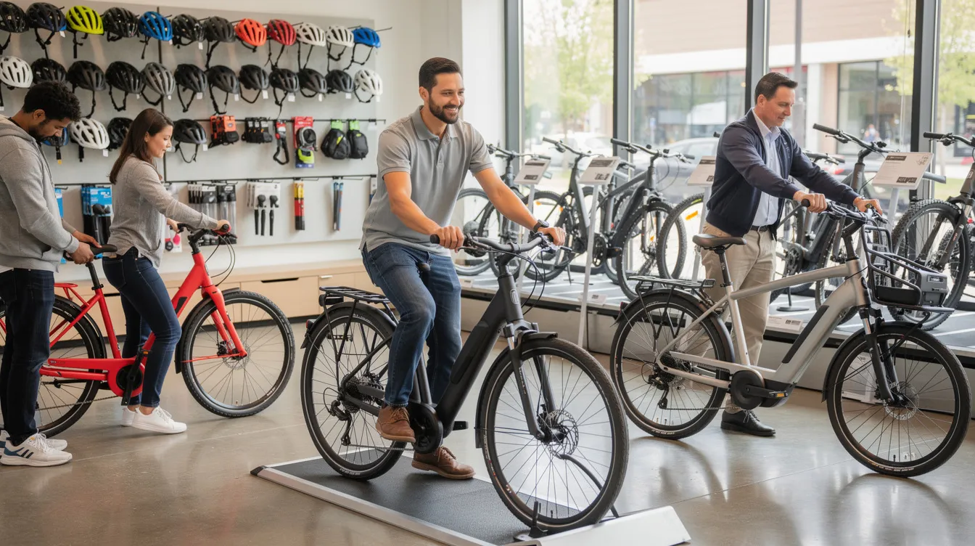
Visitors don’t need to own an e-bike to explore Madison’s trails. Crazy Lenny’s, based in Madison, offers the area’s largest selection of electric bikes—city cruisers, long-range tourers, step-throughs, cargos, and e-MTBs from brands like Ariel Rider.
First-time visitors can expect walk-in demos, staff explaining Class 1 versus Class 3 differences, and guidance on which local trails suit each model. The Madison West Store recommend purchase and test-ride options based on your planned routes, whether that’s a casual Lake Monona loop or an ambitious push toward New Glarus. Staff provide tips on safe city riding, battery management, and new gear essentials.
Madison hosts the IRONMAN Wisconsin event, which features a 112-mile bike route renowned among athletes for its scenic urban and rural mix, attracting around 30,000 cheering fans on race day. This means reserving in advance—especially on summer weekends and IRONMAN training periods—helps ensure availability of your preferred e-bike style.
Contrast Crazy Lenny’s full-service experience—with the advantages of buying your e-bike in person rather than online—with BCycle’s quick-turn rentals: one serves full-day rides and countryside trips, the other handles short downtown hops. Both have their place in biking Madison effectively.
Safety, Etiquette, and Battery Management on Madison Trails
Riding e-bikes considerately ensures everyone enjoys Madison’s popular routes on busy sunny days. Here’s what matters most:
Speed Control
- Keep below 15 mph on multi-use paths
- Slow significantly in crowded areas near the Capitol and UW campus
- Avoid sudden passing on narrow segments like parts of the Lakeshore Path
Passing Etiquette
- Use a bell or call “On your left” before passing
- Give extra space to children and dogs
- Yield to pedestrians in high-traffic downtown zones and near Lake Waubesa connections
Battery Management
- Start fully charged
- Use lower assist levels on flats to extend range 20-50%
- Save higher assist for hills and headwinds
- Watch range estimates before committing to long out-and-back rides
Gear Essentials
- Helmets (required under 18, recommended for all)
- Layered clothing for lake breezes—temperatures can drop 20-30°F near water
- Lights for tunnels like Stewart Tunnel and dusk rides
- Simple repair kit and water bottles for limestone trails
Check seasonal conditions—spring flooding, fall leaf cover, winter ice—and respect trail closures. Even experienced bikers benefit from carrying basic tools on longer rides past suburban neighborhoods into more remote territory.
Q&A: Planning Your Madison E-Bike Adventure
Is Madison safe for new e-bike riders? Absolutely. Madison features intuitive signage, BCycle stations everywhere, and flat loops like the 13-mile Lake Monona route that work perfectly for beginners. Start at Olin Park, follow the painted markers, and you’ll feel confident within miles.
How far can I realistically ride on a single charge? Most riders cover 20-60 miles depending on terrain, wind, and assist level. Flat routes like Capital City extend range significantly, while hills and headwinds near Lake Mendota can reduce it. Plan conservatively for your first road bike or e-bike adventure.
Can I combine e-biking with other activities? The Saturday Dane County Farmers’ Market around the Capitol makes a perfect pairing with morning rides. Start from Olin Park, loop past the market, then continue exploring downtown and State Street shops before heading along John Nolen for sunset views.
What’s the best season for e-biking here? May through October offers ideal conditions, with warm temperatures and long daylight hours. Fall brings stunning color along trails through the Arboretum and beyond. Spring can be muddy on gravel sections—stick to paved routes until trails dry.
Where should I head for a quiet ride away from traffic? The Capital City State Trail south toward Fitchburg offers peaceful miles through Nine Springs Wetlands and farmland. Once past the city, you’ll encounter mostly fellow cyclists and occasional wildlife rather than downtown crowds.
FAQ: Madison eBike Routes
This section covers practical details to help you finalize your plans for riding e-bikes on Madison’s extensive trail network.
Do I need a Wisconsin State Trail Pass for my e-bike?
A trail pass is required for riders age 16 and older on certain state trails, regardless of whether the bike is electric. This includes segments of the Capital City and Badger State Trails outside Madison city limits. Signs at trailheads clearly indicate when a pass is needed. Purchase daily passes for $5 or annual passes for $20 at dnr.wi.gov, local shops like Crazy Lenny’s, or kiosks at major trailheads.
Can I ride an e-bike on Madison trails in winter?
Winter bicycling and fat biking are allowed on many DNR trails that remain open to bikes, but not on groomed cross-country ski trails or snowmobile trails designated for winter motorized use. Madison city paths are often plowed, making year-round riding possible with studded tires and extra caution. Winter storage and tune-up services for e-bikes can also help keep your bike ready between cold-weather rides. The Chequamegon National Forest and other northern areas offer additional winter options for adventurous riders.
Where can I legally park and charge my e-bike?
Lock e-bikes at standard bike racks throughout downtown, UW campus, and parks using quality U-locks or heavy-duty chains. For charging, only plug in where outlets are clearly available and permission is granted—certain cafes, hotels, or private accommodations welcome charging. Don’t assume public outlets are available; plan to start each ride fully charged from home or your accommodation.
Are there weight or motor limits for e-bikes on local Madison eBike routes?
Wisconsin law defines e-bikes by motor power and speed rather than overall weight. Your bike must meet the definition of a legal electric bicycle—typically up to 750 watts with specific speed cutoffs for each class—before using shared trails. Verify your bike’s specifications match state requirements, especially if you’ve purchased or modified an e-bike with minimal turns on the throttle delivering high power.
Can families ride with kids if only adults have e-bikes?
Families commonly mix e-bikes and regular bikes on Madison paths with great success. The Lake Monona Loop and Madison’s west side community trails offer flatter terrain ideal for younger riders. Adults on e-bikes can easily pace kids on regular pedal bikes by using lower assist settings. Exercise extra patience so slower riders set the group tempo, and choose routes with minimal traffic exposure.