
When most people start shopping for an eBike, they focus on motor power, battery range, or how the bike looks. Weight tends to be an afterthought — until it isn’t. The first time you haul a 70-pound cargo eBike up a flight of stairs, or discover your folding commuter is too heavy to carry onto the bus, ebike weight becomes very real, very fast. Electric bikes, which are heavy compared to traditional bikes, can make lifting and transporting them more challenging for some riders.
Here’s the thing: there’s no universally “right” ebike weight. Most electric bikes typically weigh between 40 and 80 pounds, which is significantly heavier than most traditional bicycles due to the added weight of the motor, battery, and other components. A fat tire eBike built for Wisconsin winters should be heavier than a folding commuter. A cargo bike hauling groceries and a kid needs a sturdy, substantial frame. The goal isn’t to find the lightest bike — it’s to find the right weight for your life. And that’s a conversation worth having before you buy.
Not sure where to start? That’s exactly what our free eBike consultation is for. The team at Crazy Lenny’s has helped thousands of riders in Madison find the bike that fits their daily reality — not just their wishlist. But first, let’s get into the details.
What Does the Average eBike Actually Weigh?
eBikes are heavier than traditional bicycles — that’s simply the cost of carrying a motor and battery. When considering how much an e-bike weighs, here are the typical weight ranges for different categories:
- Lightweight/folding eBikes: 35–50 lbs
- Commuter eBikes: 45–60 lbs
- Step-thru and women’s eBikes: 45–58 lbs
- Mountain eBikes: 50–70 lbs
- Fat tire eBikes: 60–75 lbs
- eTrikes: 65–90 lbs
- Cargo eBikes: 65–85 lbs (before cargo)
For context, a normal bike weighs around 17–20 lbs. Even the lightest eBikes are roughly double that — which is why weight deserves real consideration before you buy. Lighter electric bikes offer significant advantages in portability and handling, making them easier to carry, store, and maneuver, especially for daily commuting.
Why eBike Weight Matters More Than You Might Think
Portability, Storage, and Frame Material
This is where weight hits hardest in daily life. If you live in a Madison apartment, commute via a mix of biking and the bus, or need to carry your bike up stairs, a 70-pound bike is a genuine burden. A 45-pound folding e-bike changes the calculation entirely.
Ask yourself: where will this bike live? Will I ever need to lift it? Is there an elevator? These questions matter more than most riders expect.
Lighter models are easier to carry and store, making them especially suitable for urban living.
Riding Feel and Handling
Heavier eBikes tend to feel more planted and stable — which is great on rough terrain or at speed, but can feel sluggish in tight urban environments. Different e-bike frames, depending on their material and construction, play a significant role in overall stability and handling by accommodating electric components and influencing weight distribution. Lighter bikes are more nimble and responsive, which is ideal for city commuting but may feel twitchy on a loose trail. Sturdier frames, especially when paired with fat tires, can improve comfort and reduce fatigue on rough terrain by better absorbing vibrations.
The motor assist compensates for weight while you’re riding — you won’t feel the extra pounds much on flat ground. Where weight shows up is in stopping, cornering, and maneuvering at low speed.
What Happens When the Battery Dies
Every eBike rider encounters this eventually. When the battery runs out, and you’re pedaling a 65-pound bike home under your own power, you will notice every pound. A lighter eBike is much more forgiving in this situation. However, lighter bikes often use smaller batteries, which can result in a shorter range—meaning you may not be able to travel as far on a single charge, but pedaling is easier if the battery dies. If your commute is long or your route is hilly, this is worth factoring in. Smaller batteries reduce overall weight, making the bike easier to handle, but they also limit the distance you can travel before needing to recharge.
Transporting Your eBike
Loading an eBike onto a car rack, sliding it into a truck bed, or lifting it onto a bike mount requires real physical effort. Many standard bike racks have weight limits of 35–45 lbs, below what most eBikes weigh. If you plan to transport your bike regularly, verify your rack’s capacity and factor weight into your decision. Always check the weight capacity of your bike rack or transport system to ensure it can safely and securely handle the total load.
eBike Components: What Adds Up to the Weight?
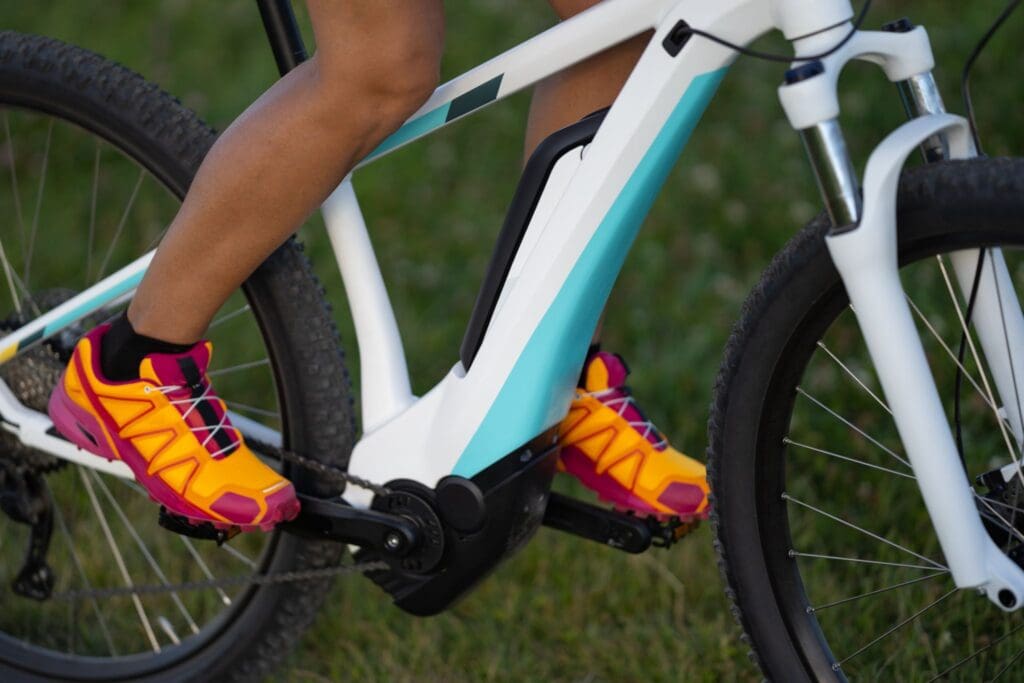
When you’re comparing electric bikes, it’s easy to focus on the final number on the scale—but what actually makes up the weight of an e-bike? Understanding the components that contribute to the average weight of an electric bike can help you make smarter choices, whether you’re looking for a lightweight folding ebike or a sturdy cargo model.
Frame Material: The backbone of any electric bicycle is its frame, and the material used plays a huge role in how much the bike weighs. Aluminum frames are the most common, offering a solid balance between strength and weight. Steel frames are heavier but provide extra durability and a smoother ride, while carbon fiber frames are the lightest and most expensive, often found on high-end lightweight ebikes. The choice of frame material can shift the weight of an e-bike by several pounds.
Motor and Battery Size: The motor and battery are what set electric bikes apart from traditional bikes—and they’re also the biggest contributors to extra weight. Larger motors deliver more power for climbing hills and reaching higher speeds, but they add more weight to the bike. Similarly, a bigger battery means longer rides and more range, but also increases the overall weight. If you’re looking for a lighter bike, consider whether you really need the largest motor and battery size, or if a smaller setup will suit your daily rides.
Wheels and Tires: The size and type of wheels and tires can make a noticeable difference in how much electric bikes weigh. Fat tires, designed for rough terrain and off-road adventures, use more rubber and require sturdier wheels, adding significant weight compared to the slimmer tires found on commuter or road e-bikes. Larger tires also mean more weight, but they can provide a more stable ride and better traction.
Suspension Systems: Many mountain bikes and some commuter e-bikes come equipped with front or full suspension systems to absorb bumps and provide a smoother ride. While these systems improve comfort and control, especially on rough terrain, they also add to the weight of an e-bike. If you mostly ride on smooth city streets, you might opt for a rigid frame to keep things lighter.
Accessories and Add-Ons: Don’t forget the little things—racks, fenders, integrated lights, and even hydraulic disc brakes all add up. While each accessory might only add a pound or two, together they can make a noticeable difference in the total weight of an electric bike.
By understanding how each component affects the weight of an e-bike, you can prioritize what matters most for your riding experience. Whether you’re after the lightest e-bike for easy carrying or a more robust model for longer rides and heavier loads, knowing what adds up helps you choose the right e-bike weight for your lifestyle.
eBike Weight by Category: What to Expect

Commuter and Step-Thru eBikes (45–60 lbs)
The workhorse of the eBike world. These bikes balance a sturdy frame with enough portability for daily use. Step-thru designs — lower frames that allow easy mounting — add slightly more frame material but make life much easier for riders with limited mobility or flexibility. Compared to a regular bike frame, eBike frames are built more robustly to support the added weight of batteries and motors, resulting in a heavier but stronger structure. If you’re riding Madison’s streets and paths to work every day, this weight range is usually the sweet spot.
For urban riders, a lighter e-commuter bike is much easier to handle, carry upstairs, or load onto public transit, making daily transportation more convenient.
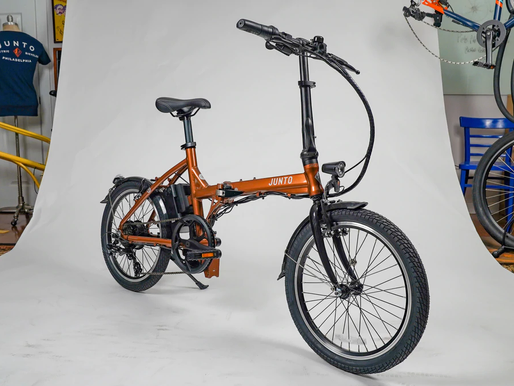
Folding eBikes (35–50 lbs)
Designed for maximum portability. Folding eBikes collapse for storage in small apartments, offices, and vehicle trunks, and are the go-to for UW-Madison students commuting around campus. The trade-off is a smaller frame and typically a smaller battery, which limits range. A lightweight e-bike is ideal for riders who prioritize portability and easy storage. But for shorter daily commutes where portability matters most, the lighter weight is worth it.
Fat Tire eBikes (60–75 lbs)
Fat tire e means wide tires, wide tires mean more rubber, more rubber means more weight. But fat tire e-bikes earn every pound — that extra width delivers remarkable traction on snow, sand, mud, and loose terrain. Wisconsin winters are made for fat tire e-bikes. Don’t let the weight scare you off; the motor handles it.
Mountain eBikes (50–70 lbs)
Built to absorb punishment on trails, e-MTBs carry the weight of a robust frame, suspension system, and powerful mid-drive motor. Some high-end mountain eBikes use a carbon frame to reduce overall weight and enhance performance, making them ideal for riders seeking a lighter, high-performance ride. If you’re riding the trails around Madison, the weight pays for itself in capability and confidence on descents.
Cargo eBikes (65–85 lbs)
Cargo e-bikes are designed to carry heavy loads — kids, groceries, gear — so the bike itself being heavy is expected and appropriate. The powerful motors on cargo e-bikes compensate well for the added weight and high carrying capacity. If you’re considering replacing car trips for family errands, don’t let cargo bike weight be a dealbreaker. It’s built for the job.
eTrikes (65–90 lbs)
eTrikes are the heaviest category, and for good reason: three wheels, a wider frame, and often a rear cargo basket add up. But eTrikes also don’t tip over, which makes them ideal for riders who want stability above all else — whether due to balance concerns, physical limitations, or simply preferring a more relaxed ride. The weight is largely irrelevant when you’re riding; it matters mainly for storage and transport.
What About Motor and Battery Size, Power, and Weight?

The relationship between motor power and bike weight is one of the most misunderstood things in eBike shopping. A heavier bike doesn’t automatically need a more powerful motor — it depends entirely on how and where you ride. Motor size also plays a crucial role, as larger or more powerful motors add to the overall weight but can improve performance for specific riding needs.
- Hub motors (located in the rear or front wheel) are common on commuter and entry-level bikes. They’re simple and reliable, and handle flat terrain beautifully. On hills, they work harder but still perform well for most riders. However, battery power is affected by the weight of the bike and the demands placed on the motor, which can lead to faster battery drain on heavier eBikes.
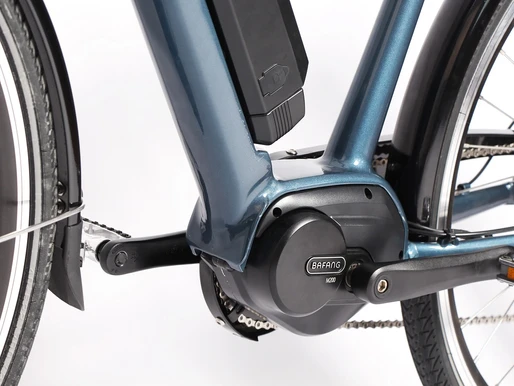
- Mid-drive motors (located at the pedal crank) distribute weight more centrally and handle steep terrain more efficiently. They’re common on mountain eBikes and higher-end cargo bikes where weight distribution and climbing performance matter. Higher battery capacity in these bikes increases overall weight but extends the riding range, making them suitable for longer or more demanding rides.
For most Madison-area riders — commuting on relatively flat roads and paths — hub motors are completely adequate regardless of bike weight. The hills on the Capitol Square won’t defeat you.
Larger batteries, such as 48V units, provide more range for longer rides but add additional weight to the eBike. This additional weight can impact handling, portability, and storage, so it’s important to balance the benefits of larger batteries with your need for a lighter, more manageable bike.
How to Choose the Right eBike Weight for Your Life
Here are the questions that actually matter:
Where will you store it? If you’re carrying it up stairs or storing it in a small space, lighter is better. Ground-floor garage or a large apartment storage unit? Weight matters less.
Will you ever need to transport it by car? Check your rack’s weight limit before you fall in love with a 70-pound fat tire bike.
What’s your route like? Long flat commute? Weight isn’t a big factor. If you plan to cover long distances, consider both the battery capacity and the bike’s weight, as these will impact your range and comfort. Hilly route where the battery might run low? You’ll want to keep weight in mind.
What will you carry? If you’re hauling cargo, the bike’s weight matters less than its carrying capacity. The size and weight of e-bike batteries can also affect how much cargo you can carry and influence the overall handling of the bike. If you’re riding solo every day, a lighter bike is more practical.
What are your physical considerations? Riders with limited strength or mobility should weigh portability more heavily. eTrikes solve the balance concern entirely and are worth exploring even if the weight looks intimidating on paper.
The Bottom Line
eBike weight is genuinely important — but it’s important in context. The right weight depends on how you’ll use the bike, where you’ll store it, and what your daily life actually looks like.
The best way to figure this out? Come in and talk to us.
At Crazy Lenny’s eBikes, we’ll ask you the right questions, put you on the right bikes, and make sure you leave with something that fits your life — not just the spec sheet. We’re North America’s largest single-location eBike retailer, which means we have every category, every weight class, and every price point under one roof at 6017 Odana Rd in Madison.
Book your free consultation at crazylennysebikes.com, give us a call at (608) 276-5921, or stop by and see for yourself. The moment you ride one, you’ll get it. Every. Single. Time.

Ebike Weight: Frequently Asked Questions
What is the average ebike weight for different categories?
Electric bikes are significantly heavier than traditional bicycles, which typically weigh between 17 and 20 lbs. Depending on the category, you can expect the following typical ebike weight ranges:
- Folding eBikes: 35–50 lbs
- Commuter eBikes: 45–60 lbs
- Mountain eBikes: 50–70 lbs
- Fat Tire eBikes: 60–75 lbs
- Cargo eBikes & eTrikes: 65–90 lbs
Why does ebike weight matter for daily commuting and storage?
The weight of your electric bike directly impacts portability. If you live in an apartment and need to carry your bike up stairs or take it on public transit, a lighter 45-lb folding model is a much better choice than a 70-lb cargo bike. Heavier bikes can be a genuine burden to lift or store in tight urban environments.
Does a heavier e-bike weight affect handling and safety?
Yes, but in different ways. Heavier eBikes often feel more stable and “planted,” which is beneficial on rough trails or at high speeds. However, the ebike’s weight is more noticeable during low-speed maneuvering, cornering, and stopping. Lighter bikes are generally more nimble and responsive, making them ideal for navigating city streets.
How do different components contribute to the total ebike weight?
Several factors add to an electric bike’s total mass:
- Frame Material: Aluminum is standard, steel is heavier but durable, and carbon fiber is the lightest option.
- Motor and Battery: These are the largest contributors to the extra weight. Larger batteries (like 48V units) provide more range but add several pounds.
- Tires: Fat tires use more rubber and require sturdier wheels, adding significant weight compared to slim commuter tires.
Can I still ride an electric bike if the battery dies?
While you can pedal an eBike without power, you will notice every pound of the eBike’s weight. Pedaling a 65-lb bike home without motor assistance requires significant physical effort. Lighter ebikes are much more forgiving if the battery runs out, though they often have smaller batteries and a shorter initial range.
What should I check before transporting my e-bike on a car rack?
Before transporting your bike, you must verify the weight capacity of your car rack. Many standard racks have weight limits between 35 and 45 lbs, which is below the e-bike weight of most models. Ensuring your transport system can safely handle the total load is essential for safe travel.