

Living with arthritis doesn’t mean giving up an active lifestyle—it just means finding smarter, more supportive ways to move. For many people, cycling can feel too demanding on arthritic joints, making it difficult to maintain mobility and manage pain. That’s where e-bikes for arthritis relief come in.
By combining gentle movement with motorized assistance, e-bikes offer a practical, enjoyable solution for staying active without worsening joint pain. Whether you’re managing stiffness, inflammation, or reduced mobility, e-biking can help you move more comfortably and confidently.
Introduction to Electric Bikes
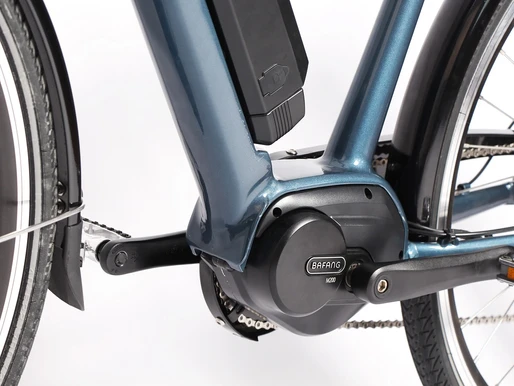
Electric bikes, or e-bikes, are transforming the way people with arthritis and joint pain stay active. These innovative bikes use pedal assist technology to make cycling less demanding on your knees and joints, offering a low-impact way to move without causing too much strain. Premium electric bikes are designed for comfort and ease, allowing you to explore hilly terrain and enjoy longer rides with less effort. Whether you’re looking to reduce joint stress, maintain mobility, or simply want a fun and beneficial way to cycle, e-bikes are a great option. By supporting your movement and minimizing stress on your body, electric bikes help you stay active and enjoy the freedom of cycling, even if you’re managing arthritis or joint discomfort.
Why Movement Matters for Arthritis
Arthritis often causes joint pain, stiffness, and reduced range of motion. Ironically, avoiding movement can actually make symptoms worse. Regular, low-impact activity helps:
- Improve joint flexibility
- Strengthen surrounding muscles
- Reduce stiffness
- Support overall mobility
Low-impact activities help minimize joint strain, making them ideal for people with arthritis.
This is why doctors often recommend low-impact exercise for arthritis—activities that keep joints moving without placing excessive stress on them.
What Makes E-Bikes Ideal for Arthritis Relief?

Traditional cycling can be tough on knees, hips, and hands—especially during hills or longer rides. Riding a regular bike or traditional bikes often requires more physical exertion, leading to increased joint strain and discomfort for people with arthritis. E-bikes change that equation entirely.
Compared to traditional bicycles, e-bikes offer a less painful and more accessible alternative for those seeking arthritis relief.
1. Pedal Assistance Reduces Strain
With built-in motor support, e-bikes allow you to control how much effort you use. This means:
- Less pressure on painful joints, especially the knee joints
- Easier starts and stops
- Reduced fatigue during longer rides
For those exploring e-biking with arthritis, pedal assist is a game-changer. You can stay active without overexerting yourself.
2. Smooth, Low-Impact Motion
Cycling is already considered a low-impact exercise for arthritis, but e-bikes (also known as ebikes) make it even gentler.
The smooth pedaling motion helps:
- Minimize joint impact compared to walking or running
- Encourage consistent movement
- Improve circulation without added stress
This makes an ebike especially helpful for people dealing with ongoing electric bike and joint pain concerns.
3. Adjustable Effort for Good and Bad Days
Arthritis symptoms can fluctuate. Some days feel manageable, while others are more painful.
E-bikes allow you to:
- Increase assistance on difficult days
- Reduce assistance when you feel stronger
- Customize your ride to match your condition
The power of the e-bike’s motor lets you easily adjust the level of assistance, providing extra support when you need it most, especially on challenging days.
This flexibility is a major reason why e-bikes for arthritis relief are becoming more popular among riders of all ages.
Types of E-Bikes
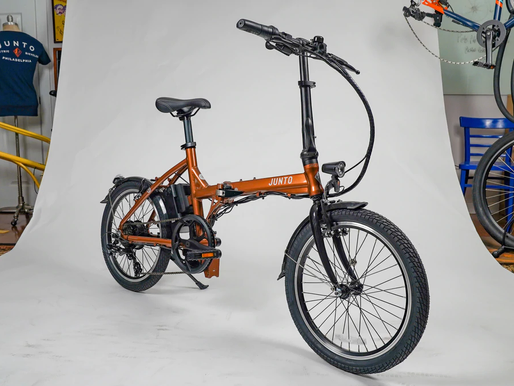
There’s an electric bike for every rider, especially if you’re dealing with arthritis or joint pain. Some e-bikes are built on traditional bicycle frames with added electric assistance, while others are premium electric bikes packed with advanced features for maximum comfort. Arthritis-friendly e-bikes often include ergonomic designs, step-through frames for easy mounting, and suspension systems that absorb bumps and reduce joint stress. Fat tires and upright seating positions further enhance comfort, making rides smoother for those with arthritic knees or limited joint mobility. When searching for the best bike, consider how pedal assist technology, joint stress reduction, and overall ride comfort fit your needs. Test riding different models can help you find the perfect match for your lifestyle and ensure every ride is as enjoyable as possible.
Physical Benefits of E-Biking with Arthritis

Consistent e-bike use can lead to noticeable improvements in physical health. Regular e-biking can help reduce arthritis pain by promoting gentle movement and reducing joint stress.
Improved Joint Mobility
Gentle, repeated motion helps lubricate joints, reducing stiffness over time. Improved joint mobility from e-biking can lead to increased mobility in daily life for arthritis sufferers.
Increased Muscle Strength
Stronger leg muscles support and stabilize joints, helping reduce pain during daily activities.
Better Endurance
Because e-bikes reduce fatigue, riders can go longer distances and stay active more consistently. Riding on two wheels with an e-bike makes it easier for people with arthritis to stay active and build endurance.
All of these benefits reinforce why e-biking with arthritis is such an effective long-term strategy.
Mental and Emotional Benefits
Living with chronic pain can take a toll on mental health. Chronic pain can hurt not just physically, but also emotionally, impacting your overall quality of life. Staying active outdoors can make a big difference.
E-biking provides:
- A sense of independence
- Stress relief and improved mood
- Opportunities to explore and socialize
Combining electric bikes and joint pain management with outdoor activity creates a powerful boost for overall well-being. E-biking can help address both the physical and emotional hurt caused by arthritis, offering a gentler way to stay active and connected.
E-Bike Riding Techniques

Adopting the right riding techniques can make e-biking with arthritis safer and more enjoyable. Start with short rides on paved roads to build confidence and gradually increase your distance as you get comfortable. Maintain an upright seating position to minimize strain on your shoulders, wrists, and knees, and use pedal assist to help tackle hilly terrain without putting extra stress on your joints. Remember to take regular breaks to rest and stretch, which can help reduce stiffness and prevent injuries. By focusing on proper posture and pacing yourself, you’ll experience the full benefits of e-biking—riding easier, reducing pain, and staying active without unnecessary effort or discomfort.
Choosing the Right E-Bike for Arthritis
Not all e-bikes are created equal. If you’re looking for e-bikes for arthritis relief, finding the best e-bike involves considering features like full suspension, a step-through frame, and overall weight. These features can make a significant difference in comfort, safety, and ease of use for individuals with arthritis or limited mobility. Additionally, the weight of the e-bike can affect maneuverability and accessibility, so it’s important to choose a model that balances stability with ease of handling. If possible, take a test ride to ensure the e-bike meets your specific needs before making a purchase. Consider these features:
Step-Through Frames
Easier mounting and dismounting reduce strain on hips and knees.
Upright Riding Position
Helps minimize pressure on wrists, shoulders, and lower back.
Comfortable Saddles and Grips
Reduces discomfort during longer rides.
Adjustable Pedal Assist Levels
Allows you to fine-tune effort based on your needs.
These features make it easier to enjoy low-impact exercise for arthritis without unnecessary discomfort.
E-Bike Accessories

The right accessories can make a big difference in your e-biking experience, especially if you’re managing joint pain. Consider adding ergonomic grips to reduce pressure on your wrists, and choose a comfortable helmet and knee pads for added protection. Accessories like bike locks, water bottle holders, and storage bags make longer rides more convenient, while advanced features such as suspension systems and lights can improve stability and visibility. Prioritize accessories that help reduce joint pain, enhance mobility, and increase your overall comfort and safety on the bike. With the right setup, you’ll be able to enjoy longer, more enjoyable rides with less pain and more confidence.
Tips for Safe and Comfortable Riding
If you’re new to e-biking with arthritis, start with these best practices:
- Begin with short, easy rides
- Use higher pedal assist on hills or rough days
- Stretch before and after riding
- Stay consistent rather than pushing too hard
- Listen to your body and rest when needed
- Follow safety guidelines, wear proper gear, and stay safe while riding
- Watch for any sign of discomfort or fatigue and stop or rest as needed
The goal is steady, sustainable activity—not overexertion.
E-Bike Safety Features
Safety is key when riding an e-bike, particularly for those with arthritis or joint concerns. Look for e-bikes equipped with reliable brakes, sturdy frames, and advanced suspension systems to help absorb shocks and reduce the risk of injuries. Features like reflectors, lights, and horns increase your visibility and help keep you safe on the road. Always follow traffic rules, wear protective gear, and stay alert—especially in busy areas or on uneven terrain. By choosing an e-bike with strong safety features and practicing safe riding habits, you can enjoy all the benefits of e-biking while minimizing the risk of accidents and injuries.
When to Talk to a Professional
While e-biking is generally safe, it’s always a good idea to consult a healthcare provider before starting a new routine—especially if your arthritis is severe.
They can help you determine:
- Appropriate activity levels
- Any limitations to consider
- Additional therapies to complement your routine
Final Thoughts

Managing arthritis doesn’t have to mean slowing down—it just means adapting how you stay active. With their customizable support and smooth riding experience, e-bikes for arthritis relief offer an ideal solution.
By reducing strain, supporting low-impact exercise for arthritis, and making movement more enjoyable, e-bikes empower riders to stay active, mobile, and independent. If you’ve been hesitant to get back on a bike due to joint pain, e-biking might be exactly what you need to rediscover the joy of riding.
Questions & Answers about E Bikes for Arthritis Relief

1. How do e-bikes for arthritis relief provide more support than traditional bicycles?
Traditional cycling can place significant strain on the knees, hips, and manual joints, especially during starts or hill climbs. E-bikes provide relief by using pedal assist technology to offset the physical exertion required. This motorized support reduces the load on arthritic joints, allowing for a low-impact workout that promotes circulation and flexibility without the overexertion that typically leads to flare-ups.
2. Is e-biking considered a safe, low-impact exercise for arthritis?
Yes. Physical therapists often recommend low-impact activities because movement helps lubricate joints and reduce stiffness. E-biking is particularly effective because the smooth, circular pedaling motion minimizes joint impact compared to high-impact activities like running. Riders can customize the level of assistance to ensure they are staying active within a comfortable range of motion.
3. What are the best e-bike features for riders with limited joint mobility?
For those managing arthritis, certain design features are essential for comfort and safety. A step-through frame allows for easy mounting and dismounting without straining the hips. Additionally, an upright riding position helps minimize pressure on the wrists, shoulders, and lower back, while ergonomic grips and saddles further reduce discomfort during longer rides.
4. Can riding an electric bike help improve joint mobility over time?
Consistent, gentle movement is key to managing arthritis symptoms. Regular e-bike use helps strengthen the muscles surrounding the joints, which provides better stabilization and support. This repeated, low-strain motion helps reduce chronic stiffness and can lead to increased mobility in daily life, making it easier to perform routine tasks with less pain.
5. How does the adjustable pedal assist help on “bad” arthritis days?
Arthritis symptoms often fluctuate, and e-bikes offer the flexibility to match those changes. On days when inflammation or pain is higher, riders can increase the motor assistance to let the bike do most of the work. On days when they feel stronger, they can lower the assistance to engage in more active exercise. This prevents the “all-or-nothing” cycle that often stops people with chronic pain from exercising.
6. Should I consult a doctor before starting an e-biking routine?
While e-biking is a gentle form of exercise, it is always a professional best practice to consult with a healthcare provider, especially if your arthritis is severe or if you have had joint replacement surgery. A professional can help you determine appropriate activity levels and suggest specific ergonomic adjustments to your e-bike to ensure your routine remains therapeutic and safe.