
Cities are rethinking how people move. Rising traffic congestion, limited parking, and uneven access to public transportation systems have highlighted the need for more inclusive, flexible mobility solutions. One option gaining traction across urban areas is accessible e-bikes for urban transportation—a practical, affordable way to help more people travel safely and efficiently.
As e-bikes continue to grow in popularity, they are increasingly recognized as an important piece of modern urban mobility, offering benefits that traditional transportation options often fail to deliver.
Why Accessibility Matters in Urban Transportation
Accessibility in transportation is about more than ramps and curb cuts. It’s about access to jobs, healthcare, groceries, education, and social connections. Many cities struggle with unmet transportation needs, particularly among older adults, people with physical limitations, and low-income essential workers.
Accessible urban transportation e-bikes help fill these gaps by providing reliable transport that requires less physical exertion than traditional bicycles while remaining far more affordable than cars or other electric vehicles.
How E-Bikes Improve City Accessibility
Reducing Physical Barriers to Riding
Unlike standard bicycles, electric bikes and electric bicycles use an electric motor and pedal assist to reduce strain. This allows riders to travel longer distances with less effort, making cycling possible for people who may not otherwise ride.
For older adults and riders with physical limitations, e-bikes increase access to everyday transportation without requiring high fitness levels. This has led to rapid growth in e-bike adoption in recent years.
Supporting Urban Mobility and Infrastructure
Urban planners increasingly recognize e-bikes as part of long-term urban planning strategies. When paired with protected bike lanes, bike paths, and expanded cycling infrastructure, e-bikes become a viable alternative to cars for short trips and even longer distances.
Many cities now integrate e-bikes into transportation projects at the city level, investing in bike lanes, bike racks, and parking infrastructure that supports safe, accessible cycling.
Reducing Car Trips and Traffic Congestion
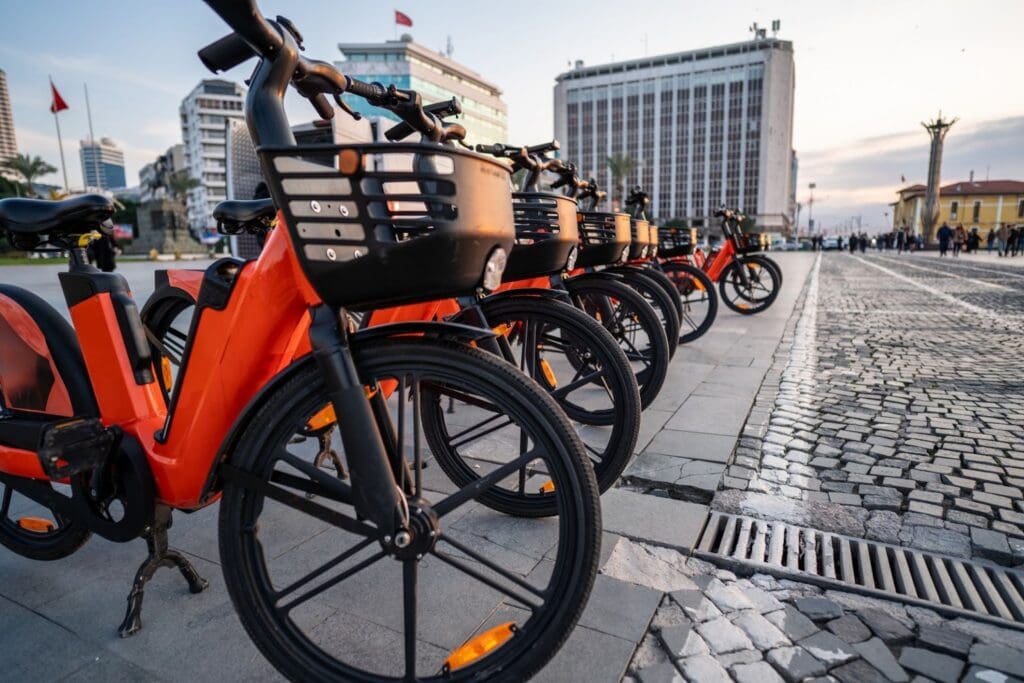
One of the biggest benefits of accessible urban transportation e-bikes is their ability to replace car trips. In dense urban environments, more than half of vehicle trips are short—often under 5 miles.
Replacing these trips with e-bikes helps:
- Reduce traffic congestion
- Lower air pollution
- Decrease energy use
- Free up parking and street space
By shifting trips from cars to e-bikes, cities experience measurable economic benefits and improved street safety.
Public Transit and First-Last Mile Solutions
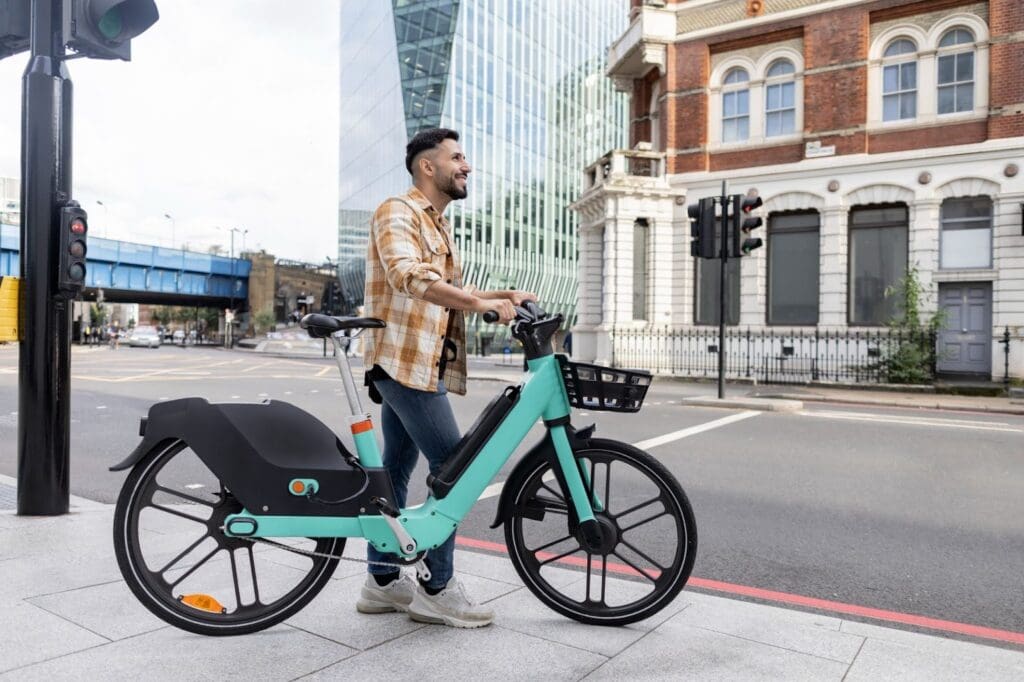
E-bikes complement public transit systems by addressing the “last mile” problem. Riders can travel from their homes to transit stops and onward to destinations more efficiently than walking alone.
In many urban areas, e-bike users rely on e-bikes to fill gaps in public transportation systems, especially in diverse areas where transit coverage may be limited.
Inclusive Mobility Solutions for All Ages and Abilities
E-Bikes for Older Adults
For older adults, accessible e-bikes provide mobility without overexertion. Pedal assist allows riders to maintain physical activity while minimizing joint strain, improving overall health, and increasing independence.
Supporting Low-Income and Essential Workers
Programs backed by organizations like the Colorado Energy Office highlight how e-bike adoption can increase access for low-income essential workers who rely on affordable, energy-efficient transportation. Compared to cars, e-bikes are cost-effective, require less parking, and have lower overall transportation expenses.
Empowering Urban Residents
Across cities, e-bikes empower individuals to move safely through streets, access services, and participate fully in city life. Riders benefit from flexibility, independence, and control over their transportation choices.
Safety, Standards, and Infrastructure Development
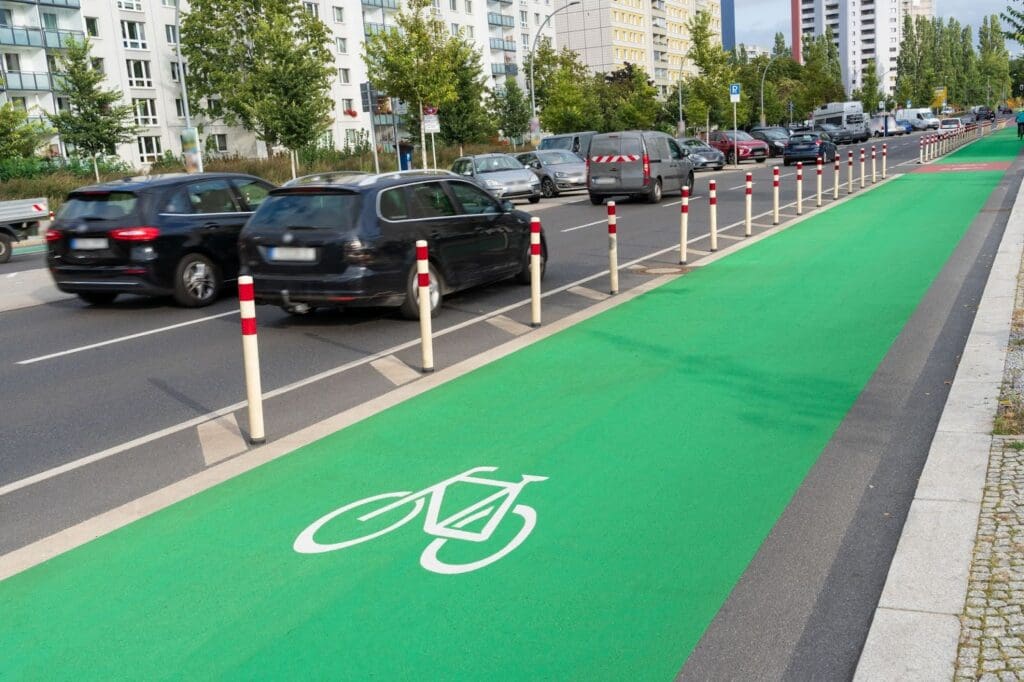
As the e-bike boom continues, safety remains a priority. Improved cycling infrastructure, better lighting, and clear bike lanes all contribute to safer streets.
Standards organizations such as Underwriters Laboratories play a role in ensuring electric bike safety, particularly related to batteries and charging systems. Combined with thoughtful infrastructure development, these efforts improve accessibility and trust.
Environmental and Health Benefits
Beyond mobility, accessible urban transportation e-bikes deliver meaningful environmental and health benefits:
- Reduced air pollution
- Lower congestion
- Increased physical activity
- Improved public health outcomes
By encouraging cycling over cars, cities reduce emissions while supporting healthier residents.
Cargo E-Bikes and Passenger Transport
Cargo e-bikes add another layer of accessibility. They allow riders to carry cargo, groceries, or passengers, expanding how bikes can replace vehicle trips in urban environments. For families and caregivers, this functionality increases access and flexibility.
Economic Benefits of E-Bike Adoption
Electric bikes are not just a sustainable transportation solution—they’re also a smart economic choice for both individuals and cities. E-bikes offer a cost-effective alternative to cars, with operational costs that are a fraction of traditional vehicles. According to the Colorado Energy Office, charging an e-bike costs as little as $0.05 per mile, making daily commutes and short trips much more affordable. Maintenance expenses are also significantly lower, as e-bikes require fewer repairs and less frequent servicing compared to cars.
For e-bike users, these savings add up quickly. Research from the National Renewable Energy Laboratory (NREL) shows that riders can save up to $500 per year on fuel costs alone. On a broader scale, the e-bike boom is fueling job growth in manufacturing, sales, and maintenance, as well as in the development of protected bike lanes, bike racks, and other cycling infrastructure. Many cities are investing in these projects to encourage e-bike adoption and unlock the economic benefits of increased cycling. By choosing electric bikes, cities and individuals alike can reduce transportation costs, support local economies, and invest in a more sustainable future.
Urban Planning Strategies for E-Bike Integration
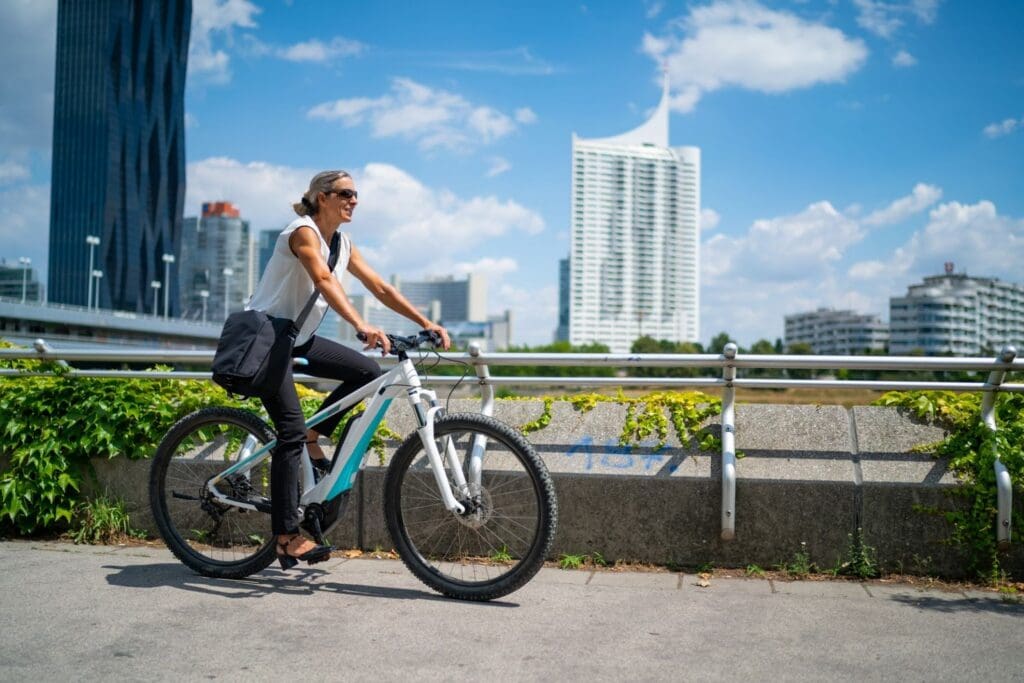
Urban planners are at the forefront of making cities more accessible and efficient by integrating e-bikes into urban transport systems. A key strategy is the development of robust cycling infrastructure, including protected bike lanes, dedicated bike paths, and secure bike racks, all designed to meet the needs of e-bike users. Cities like Minneapolis and Portland have set the standard by implementing bike-friendly policies and expanding their networks of bike lanes, making cycling a safe and attractive option for more residents.
To further promote e-bike adoption, urban planners can introduce incentives, such as tax credits or rebates, for individuals and businesses that invest in electric bikes. Collaboration with public transportation systems is also essential—integrating e-bikes with buses, trains, and bike-share programs creates a seamless travel experience and encourages more people to choose cycling for their daily trips. Copenhagen’s citywide bike-share system, which allows users to pick up and drop off e-bikes at various locations, is a prime example of how thoughtful planning can reduce traffic congestion and improve urban environments. By prioritizing cycling infrastructure and supporting e-bike users, cities can create more livable, connected, and sustainable communities.
Future of Electric Bike Technology
The future of e-bikes is bright, with rapid advancements in technology set to make electric bicycles even more accessible, efficient, and safe. Innovations in battery technology—such as solid-state and graphene batteries—promise longer ranges and faster charging times, making e-bikes a practical choice for a wider range of trips. Improvements in electric motors are delivering smoother rides and greater energy efficiency, while lightweight materials are making bikes easier to handle and transport.
The integration of artificial intelligence (AI) and the Internet of Things (IoT) is also transforming the e-bike experience. Features like real-time ride monitoring, personalized pedal assist, and advanced safety systems are becoming standard, enhancing both convenience and rider confidence. Industry leaders like Bosch and Shimano are driving these innovations, ensuring that future e-bikes will be more affordable and versatile than ever before. Safety remains a top priority, with organizations such as Underwriters Laboratories providing rigorous testing and certification to ensure electric bikes meet high standards. As technology evolves, e-bikes will continue to empower individuals, support cargo transport, and make urban mobility more inclusive and accessible.
City Level Implementation: Success Stories and Lessons Learned
Cities around the world are proving that e-bike adoption can transform urban transportation. Barcelona’s bike-share system, featuring over 6,000 e-bikes, has reduced car trips by 10% and boosted cycling’s share of all trips by 20%. Vancouver’s investment in a comprehensive network of protected bike lanes has led to a 25% increase in cycling trips, demonstrating the power of infrastructure to change travel behavior.
In the United States, cities like New York City and San Francisco have launched e-bike-sharing programs that provide affordable, convenient transportation for low-income essential workers and urban residents. These initiatives have helped address unmet transportation needs and reduce traffic congestion, making city streets safer and more accessible for everyone. The Colorado Energy Office’s e-bike pilot program, which distributed over 200 e-bikes to low-income essential workers, is another standout example—showing how targeted efforts can promote inclusive mobility and support those who need it most.
These success stories highlight the importance of city-level collaboration among urban planners, residents, businesses, and community groups. By sharing best practices and lessons learned, cities can accelerate e-bike adoption, expand cycling infrastructure, and create more sustainable, equitable urban environments for all.
Why E-Bikes Are an Important Piece of Urban Transportation

E-bikes are not a niche solution. They are an important piece of modern transportation strategies that support accessibility, affordability, and sustainability.
Across many cities, investments in infrastructure, policy, and education show that accessible urban transportation e-bikes are becoming central to how cities reduce congestion, improve access, and create inclusive mobility solutions.
Final Thoughts
As cities grow and transportation needs evolve, accessibility must remain at the forefront. E-bikes, electric bicycles, and supporting infrastructure offer practical solutions that serve riders of all ages, abilities, and income levels.
By reducing car dependency, supporting public transit, and empowering cyclists, accessible urban transportation e-bikes help cities become healthier, more connected, and more equitable places to live.

FAQ: Accessible Urban Transportation E-Bikes
1. How much does it cost to operate an e-bike compared to a car?
E-bikes are significantly more affordable than cars. Charging an e-bike costs as little as $0.05 per mile, and riders can save up to $500 per year on fuel costs alone, according to the National Renewable Energy Laboratory. Maintenance expenses are also much lower since e-bikes require fewer repairs and less frequent servicing than traditional vehicles. There are no parking fees, insurance costs are minimal or not required, and many cities offer tax credits or rebates to encourage e-bike adoption.
2. Are e-bikes suitable for older adults or people with physical limitations?
Yes. E-bikes are specifically designed to reduce physical barriers to cycling. The electric motor and pedal assist technology minimize strain and allow riders to travel longer distances with less effort. This makes cycling accessible for older adults and people with physical limitations who may not be able to ride traditional bicycles. Riders can adjust the level of assistance to match their comfort and fitness level while still maintaining physical activity and independence.
3. How far can I travel on an e-bike, and will it work for my commute?
Most e-bikes can travel 20-50 miles on a single charge, depending on the model, terrain, and level of pedal assist used. Since more than half of urban vehicle trips are under five miles, e-bikes are ideal for daily commutes, errands, and short trips. They’re also perfect for solving the “last mile” problem—getting from your home to public transit and then to your final destination. With advancing battery technology, future e-bikes will offer even longer ranges and faster charging times.
4. Is cycling infrastructure available in my city, and is it safe?
Many cities are rapidly expanding their cycling infrastructure with protected bike lanes, dedicated bike paths, and secure bike racks designed specifically for e-bike users. Cities like Minneapolis, Portland, Barcelona, and Vancouver have implemented comprehensive bike-friendly policies that prioritize safety. Organizations like Underwriters Laboratories ensure e-bikes meet safety standards, particularly for batteries and charging systems. Check with your local urban planning department to see what infrastructure is in place and which projects are in development.
5. Can accessible urban transportation e-bikes really replace car trips?
Absolutely. In dense urban areas, e-bikes have proven highly effective at replacing short car trips. Barcelona’s bike-share system reduced car trips by 10% and increased cycling’s share of trips by 20%. E-bikes also complement public transit by making it easier to travel the first and last miles of a journey. By shifting trips from cars to e-bikes, cities experience reduced traffic congestion, lower air pollution, decreased parking demand, and improved street safety—all while providing residents with a more affordable and flexible transportation option.