
The rapid rise of electric bikes has sparked a true electric bike revolution, transforming how people commute, explore, and move through cities. What once felt like a niche product has become a mainstream transportation solution, driven by innovation across the entire e-bike industry. Today’s e-bike design trends reflect smarter engineering, improved performance, and a stronger focus on rider safety and comfort.
As the e-bike market continues to grow, manufacturers are redefining what a modern e-bike looks and feels like. From battery advancements to intelligent safety systems, these trends are shaping the future of electric cycling.
1. Seamlessly Integrated Batteries and Smarter Power Systems
One of the most important e-bike design trends is the move toward seamlessly integrated batteries. Early electric bikes often featured bulky battery packs mounted externally. Modern designs hide the e-bike’s battery within the frame, creating a cleaner appearance and improving weight distribution.
Advances in battery technology have led to higher energy density, longer battery life, and a more reliable battery range. Many electric bikes now feature removable batteries, making indoor charging easier and more convenient. Riders can also monitor battery level through smart displays, helping plan longer trips with confidence.
These improvements are critical to the continued success of making e-bikes more practical for everyday use.
2. Improved Motors, Sensors, and Power Delivery
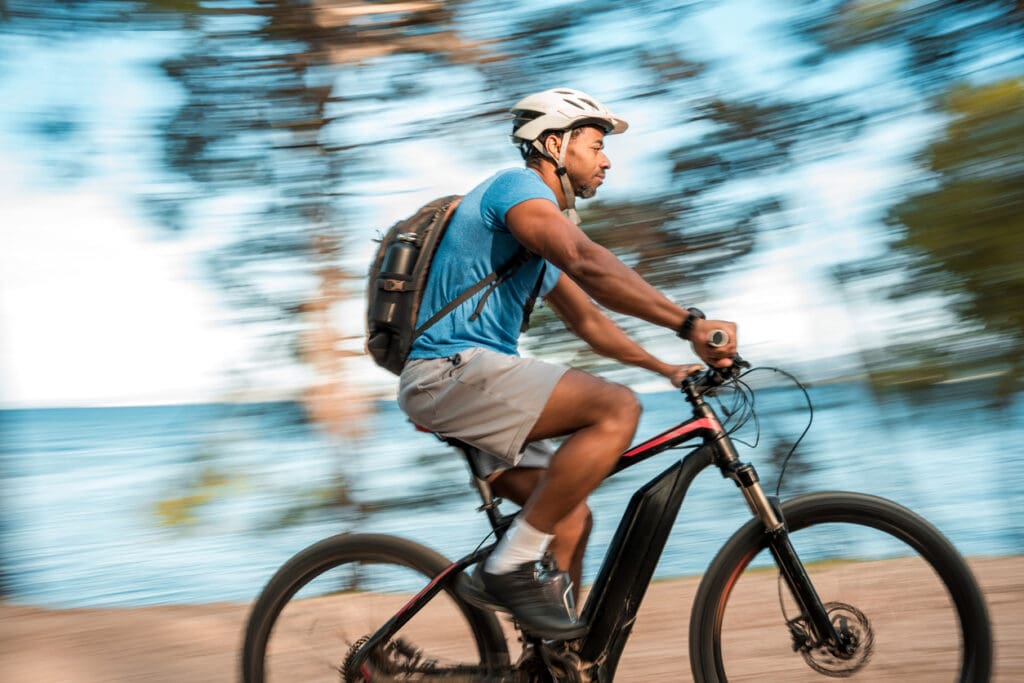
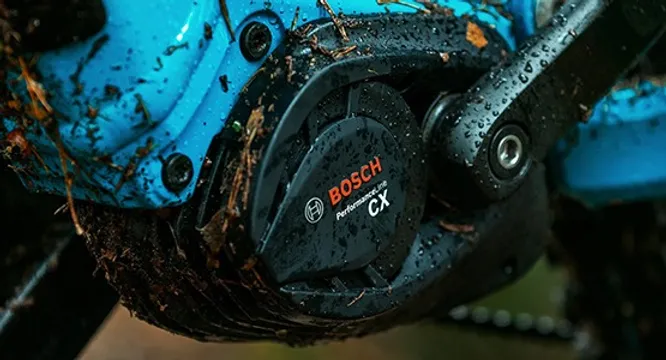
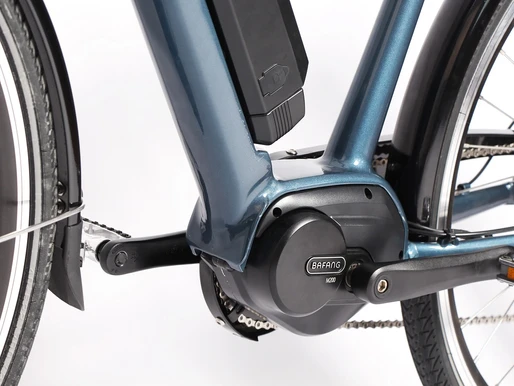
Motor systems have become more refined as e-bike manufacturers focus on smoother, more natural riding experiences. Whether using hub motors or mid-drive motors, modern systems offer improved motor assistance and optimised power delivery.
Advanced torque-sensing and cadence-based systems allow pedal-assist to respond intuitively to rider input. This creates a more responsive feel, especially when tackling steep hills, carrying heavy loads, or riding across varied terrain.
The result is improved e-bike performance that supports everything from casual rides to demanding commutes.
3. Enhanced Safety Features and Reliable Braking Systems
Safety has become a central focus across the e-bike landscape. Many modern e-bike models now include enhanced safety features designed to protect riders in busy urban environments and on unpredictable roads.
High-quality hydraulic disc brakes, hydraulic brakes, and traditional disc brakes provide reliable stopping power, even in wet conditions or on rough pavement. Some premium models also feature automatic braking systems, electronic wheel lock technology, and GPS tracking for theft prevention.
Additional safety features, such as integrated lights, rear lights, and reflective elements, improve visibility for urban commuters, especially during low-light riding.
4. Specialized E-Bike Categories for Every Rider
Another major shift in e-bike design trends is the rise of specialized e-bike categories. Instead of one-size-fits-all designs, today’s electric bikes are purpose-built for specific needs.
Popular categories include:
- Cargo bikes and cargo e-bikes are designed for heavy loads and family transport
- Fat tire e-bikes and fat tire e models are built for stability on sand, snow, and rough terrain
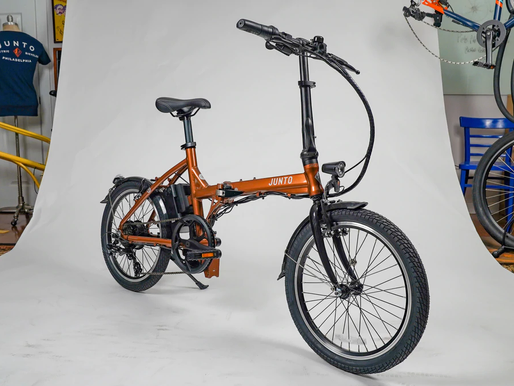
- Folding e-bikes for compact storage and mixed-mode commuting
- Gravel-focused designs inspired by the gravel bike category
- Utility-focused cargo bikes with reinforced frames and rear racks
This specialization allows riders to choose e-bikes that align with their lifestyle, whether hauling groceries, commuting daily, or exploring off-road trails.
5. Comfort, Suspension, and Ride Quality Improvements
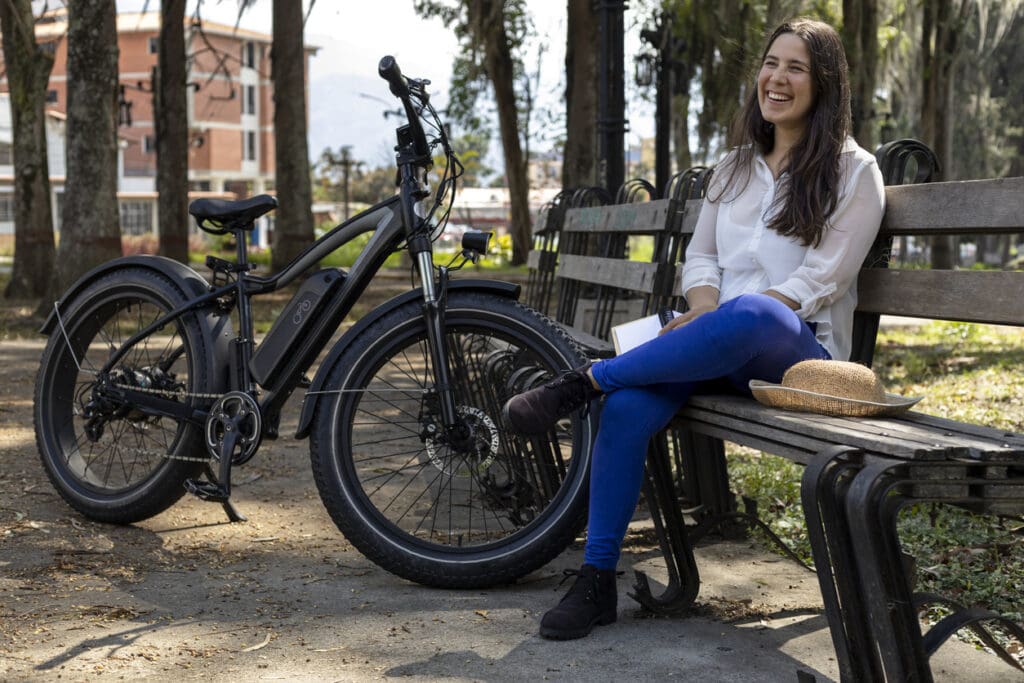
Comfort is a defining feature of the modern e-bike. Designers are prioritizing smoother handling and reduced fatigue through improved ergonomics and suspension systems.
Features like suspension forks, suspension seatpost, wider tyres, and frame geometry refinements contribute to a smoother ride across rough pavement and uneven surfaces. These upgrades help bridge the gap between non-electric and electric bikes, offering a ride experience that feels natural yet supported.
Comfort-focused bike features also make electric bikes more accessible to a wider range of riders.
6. Smart Technology and Intelligent Machines
The newest e-bike design trends reflect a shift toward intelligent machines. Many 2025 e-bike models now include smart sensors, advanced smart features, and connected systems that enhance rider control.
Features such as smart displays, ride analytics, and adaptive power modes allow riders to customize performance. Some systems even incorporate regenerative braking, helping recapture energy and extend battery efficiency.
These innovations represent the cutting edge of cutting-edge technology within the evolving e-bike industry.
7. Lighter Frames and High-End Materials
Manufacturers are also investing in lightweight materials to offset the added components found in electric bikes. Aluminium alloys and composite materials are increasingly common, especially in premium and high-end models.
Lighter frames improve handling, reduce strain during longer rides, and make transport easier—especially important for riders navigating stairs or storage constraints.
What These E-Bike Design Trends Mean for Riders
Together, these e-bike design trends signal a shift toward more refined, reliable, and rider-focused machines. From enhanced safety and smarter motors to longer battery performance and specialized designs, the electric bike revolution is accelerating.
As the e-bike market expands, riders benefit from better options, improved quality components, and more thoughtfully engineered bikes. Whether purchasing from local bike shops or direct-to-consumer brands, today’s riders have more choice than ever before.
Final Thoughts

The evolution of electric bikes reflects a broader transformation in transportation and mobility. With smarter systems, better materials, and increasingly specialized designs, the modern e-bike is no longer just an alternative—it’s a leading solution.
As innovation continues, these e-bike design trends will shape how people ride, commute, and explore for years to come.
Frequently Asked Questions About E-Bike Design Trends
What are the biggest e-bike design trends in 2026?
The most significant e-bike design trends right now include “stealth” integration (where batteries and motors are hidden inside the frame), the adoption of solid-state batteries for faster charging, and the rise of “SUV e-bikes” that combine off-road power with city comfort.
How is AI affecting modern e-bike design trends?
AI is a massive part of current e-bike design trends, specifically through “predictive shifting” and adaptive motor assistance. Modern bikes can now analyse your pedalling cadence and the terrain to automatically adjust power output, helping to extend battery life and provide a smoother ride.+1
Are integrated batteries a permanent part of e-bike design trends?
Yes, battery integration is one of the most consistent e-bike design trends. By moving the battery inside the down tube, manufacturers improve the bike’s balance (center of gravity) and protect the electrical components from the elements, all while creating a sleeker, traditional-bicycle look.
Is weight reduction still a focus for e-bike design trends?
Absolutely. Using carbon fiber and new magnesium alloys is a top priority in e-bike design trends. Newer “Lightweight” categories are emerging, with e-bikes weighing under 40 lbs, making them much easier to handle for apartment dwellers or those using public transit.
Why are belt drives becoming more common in e-bike design trends?
Carbon belt drives are replacing traditional chains in many e-bike designs because they are virtually maintenance-free, don’t require grease, and last up to 4 times longer than steel chains. They are especially popular in urban and commuter e-bike designs.